11 minutes ago, lambee01 said:Gentlemen, we all are gentlemen on Wetpixel forum.
Let's go back to the discussion. We were talking about A7rV and A1.
Thank you - and well said.....
Read-only discussion
11 minutes ago, lambee01 said:Gentlemen, we all are gentlemen on Wetpixel forum.
Let's go back to the discussion. We were talking about A7rV and A1.
Thank you - and well said.....
27 minutes ago, lambee01 said:Gentlemen, we all are gentlemen on Wetpixel forum.
Let's go back to the discussion. We were talking about A7rV and A1.
Not mentioned yet, but this was also published a few month ago on DPG : https://www.divephotoguide.com/underwater-photography-special-features/article/review-sony-alpha-1-a1-nauticam-housing/"A Dependable Workhorse No Matter How Tough the Task".
Cannot agree more as I am using the A1. for now 14 months.
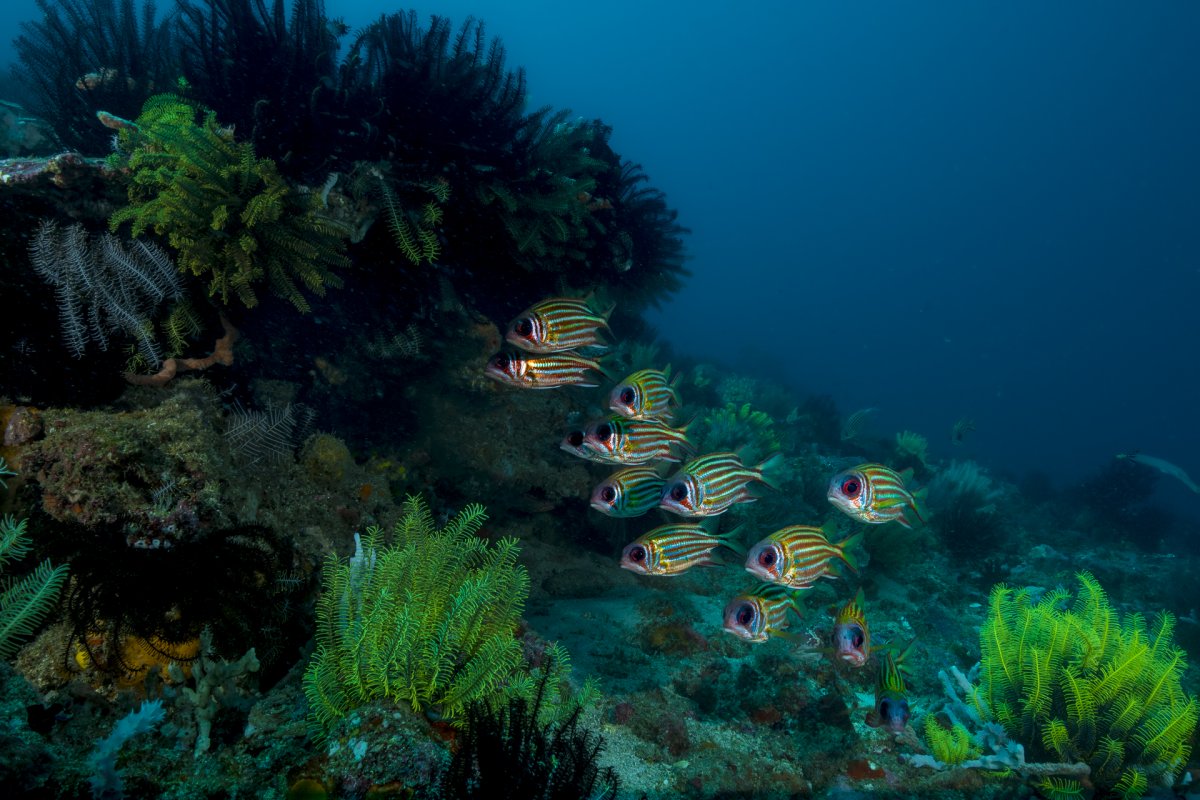
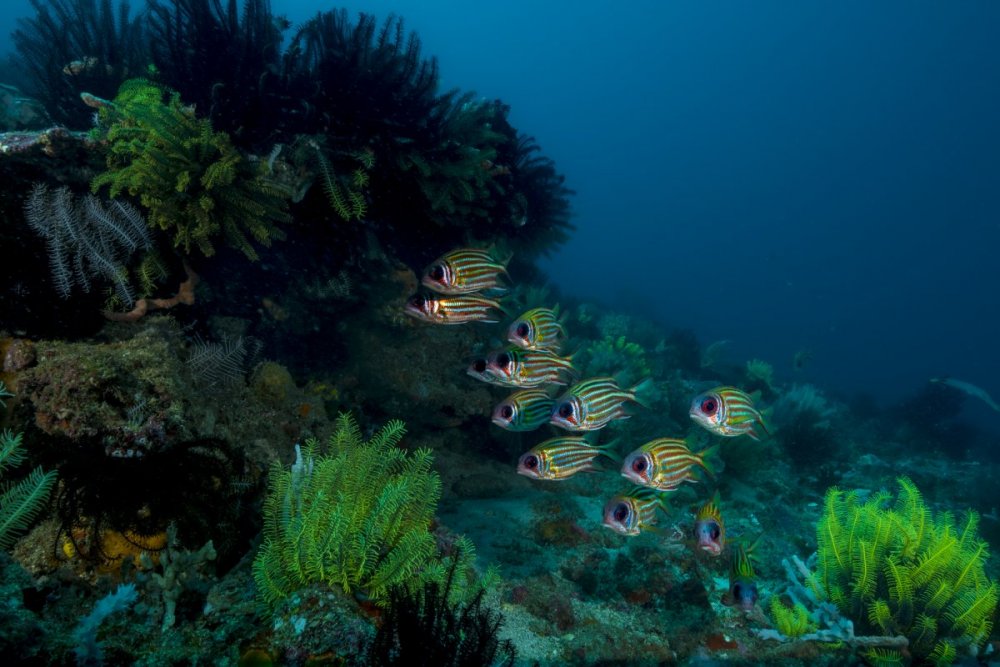
Here an example of the combo : Sony A1, Nauticam NA-A1, Sony 12-24 F/4 here at 20mm , Nauticam Dome Port 230 ISO800, f/16, 1/60th .
Photo is uncropped. Purpose is just and only to look at the corners as there was so much debate on this topic from all you guys.
I do not think there is an A1 vs A7RV topic
But the whole idea that someone releases a top of the range product deliberately limiting features is at least dated
Technology moves very fast nobody is able to predict exactly what happens in 3 years and neither you can take a risk anticipating what competitors would do
Product become obsolete as technology moves you cannot design them to be obsolete when you want anymore
The concept of developing poor software and saving features for later is also dated and today would lead companies to go out of business very fast.
Obviously there is a cost ceiling of how far you will go but that is a different topic and has to do with perceived value to the customer of a given feature and having a market for it
Anytime you go lower with price there is automatically a larger group of people that can afford it so when you at you range depending on your targeting strategy you may choose to omit certain features in order to reduce cost and expand that customer base this is entirely possible but not a decision based on next upgrade in 3 years. Consumers switch fast today and brand loyalty does not exist. Preaching certain old school models here on this forum is totally out of place and serves no purpose.
Numerous distressed business that I have come across share this view that they can anticipate everyone needs out there and who will pay for what only to find out they did not actually when is too late
Sony has a pretty clear range strategy the introduce new models sparingly and use versioning to take them forward usualluy on a fixed interval this is around 3 years but can be longer if there is no material improvement worth pushing out a new model
It was like this for the A7S series it took 5 years and they had not found anything that would make people upgrade, other models are 3 years. Those are intervals sufficiently long so that some advance will actually occur to justify upgrades but not many people will upgrade regardless and this is because you can't actually really control or understand what value is for everyone
In the case of the A7RV some improvements like the menu system, the autofocus, the EVF come from previous models. The sensor is identical to the previous version. At the end of the day for a camera that has a pretty slwo burst speed to whom does it matter if it has better autofocus if all you are doing is shooting landscapes or architecture which are the application that normally require high resolution? However if you did not have any of such high resolution camera this version may the one that will convince you buying into the system as @alex_mustard said
I am in fact not convinced any camera at £3,999+ is the one that is going to shift the masses as switching system for an underwater user means that amount will go in the housing and then lenses etc need to come forward
I see underwater photographer especially very static with low motivation to change dramatically most of them do not shoot topside and they have 3-4 lenses and 2 ports as they need to spend money to actually travel and take some photos
I think the DSLR market will die slowly and most users will wait until their system fails to consider what to do and if they have a housing and can still find a replacement they may not even upgrade anyway
So what the A1 can or not do or the A7RV will not matter much as people will find all sort of excuses to stay with what they have and actually until the system works there is no reason to change.
It would be interesting to know if any A7RV housing are getting sold and who is the clientele if existing mirrorless users or former DSLR
6 hours ago, lambee01 said:@Alex_Mustard Great shots (independant of the camera, but du to the photographer.)
Is there any reason why you are using the 230 DP rather than the 140 Fisheye Port, which by the way is recommended by Nauticam for the Fisheye lenses (either the Canon 8-15, or the Sigma 15mm).
Corner sharpness, though low resolution on Wetpixel looks good (after all those last weeks debates on WACP-C)
I shot with both, and would own both if I got into this system. I really like the smaller dome too. The bigger dome gives slightly better image quality, will work better with other lenses like the 16-35mm, and is better for split level photos. The smaller dome is cheaper, lighter and easier for lighting very close focus wide angle subjects. With the Canon 8-15mm and adaptor that I was using, that may not be optimal, the 8-15mm hunted more obviously with the 140mm dome.
All my photos (above) were shot at f/13. With the 230mm on a full frame camera that aperture will give great corner sharpness and a pleasing "everything is in focus (from foreground to the surface)" look to normal wide angle shooting. You just need a bit more strobe power to compensate and everything is easy.
9 hours ago, Alex_Mustard said:underwater images from the A7RV
These are fantastic Alex! Thank you for sharing your thoughts on the Sony mirrorless cameras, especially for underwater photography. From reading your posts, you shot with the Nikon Z7 II and the Sony A1/A7RV. Which system did you prefer? I am looking forward to your review!
Thanks, Larry
6 hours ago, TimG said:6 hours ago, lambee01 said:Gentlemen, we all are gentlemen on Wetpixel forum.
Let's go back to the discussion. We were talking about A7rV and A1.Thank you - and well said.....
Agree, and we should be able to make points without getting personal. I have already had one member report this post, so please keep it civil and stick to the topic being discussed.
I shot with both, and would own both if I got into this system. I really like the smaller dome too. The bigger dome gives slightly better image quality, will work better with other lenses like the 16-35mm, and is better for split level photos. The smaller dome is cheaper, lighter and easier for lighting very close focus wide angle subjects. With the Canon 8-15mm and adaptor that I was using, that may not be optimal, the 8-15mm hunted more obviously with the 140mm dome.
All my photos (above) were shot at f/13. With the 230mm on a full frame camera that aperture will give great corner sharpness and a pleasing "everything is in focus (from foreground to the surface)" look to normal wide angle shooting. You just need a bit more strobe power to compensate and everything is easy.
10 minutes ago, Interceptor121 said:
Have you taken shots at wider apertures? I would be interested to see f/8 - f/11 in comparison
Sent from my iPhone using Tapatalk
@Alex_Mustard Happy to hear you used both and liked both.
I am personnaly using the Sigma 15mm Fisheye and not the Canon 8-15, hence results might be different.
However, and i am NOT a specialist nor an expert in Optical Physics, but the curvature of the 140 Dome Port is half a sphere when the curvature of the 230 Dome port is much much larger, and all UW housing manufacturers (Nauticam, but also Subal, Seacam, BS_Kinetics, Seas and Sea, Aquatica etc...) recommend half sphere (hence the DP 140) because of the 180° field of view of the fisheye, which in addition is constructed with a spherical projection and not a rectilinear one. Hence correction of diffraction needs a half sphere and not a dome with lager curvature.
Experienced based, unless i want to do split shots where i would use the DP 230, i always use my FE lense behind the 140 Dome port.
Also looking at shots done at f/8 - f/11, corners are less sharp
51 minutes ago, lambee01 said:@Alex_Mustard Happy to hear you used both and liked both.
I am personnaly using the Sigma 15mm Fisheye and not the Canon 8-15, hence results might be different.However, and i am NOT a specialist nor an expert in Optical Physics, but the curvature of the 140 Dome Port is half a sphere when the curvature of the 230 Dome port is much much larger, and all UW housing manufacturers (Nauticam, but also Subal, Seacam, BS_Kinetics, Seas and Sea, Aquatica etc...) recommend half sphere (hence the DP 140) because of the 180° field of view of the fisheye, which in addition is constructed with a spherical projection and not a rectilinear one. Hence correction of diffraction needs a half sphere and not a dome with lager curvature.
Experienced based, unless i want to do split shots where i would use the DP 230, i always use my FE lense behind the 140 Dome port.
Also looking at shots done at f/8 - f/11, corners are less sharp
I did not know the 230mm is not half sphere it looks pretty large to me but I have not checked it
I would be interested seeing shots at f/8 with the 140mm dome and any fisheye lens
12 hours ago, Interceptor121 said:I think you must be working in a really bad business from which I wouldn’t buy anything
And your statements are so condescending is scary
Of course a perfect product can be very expensive but saving features for later normally results in no market leadership or going out of business
Sent from my iPhone using Tapatalk
Umm... we produce one of the world's most used online services (something that you likely use on daily basis).
Not intended to be condescending - it was meant to point out that your argument was "lacking..." (through omission)
Bringing this back on topic: it is almost guaranteed that the A1 will be updated with a new model in the next 24-30 months, with new features and capabilites. That's how electronics product management works... (at least for product lines meant to be continued - Sony could exit the market for this format, but that seems unlikely).
We are seeing this exact thing with Inon - many would argue the Z330 (at its current price point) fits a need and a market niche, yet - they are stopping production (EOL) to (as most assume) release a new model. They have a choice - they can raise the price, trying to create a new market niche, or more likely add capabilities at a similar price point (while also reducing build costs).
4 minutes ago, oneyellowtang said:Umm... we produce one of the world's most used online services (something that you likely use on daily basis).
Not intended to be condescending - it was meant to point out that your argument was "lacking..." (through omission)
Bringing this back on topic: it is almost guaranteed that the A1 will be updated with a new model in the next 24-30 months, with new features and capabilites. That's how electronics product management works... (at least for product lines meant to be continued - Sony could exit the market for this format, but that seems unlikely).
We are seeing this exact thing with Inon - many would argue the Z330 (at its current price point) fits a need and a market niche, yet - they are stopping production (EOL) to (as most assume) release a new model. They have a choice - they can raise the price, trying to create a new market niche, or more likely add capabilities at a similar price point (while also reducing build costs).
The A1 will be updated most likely in 2025 that is the logic of Sony product development as long as there is enough improvement to justify the existence of a new version or it may be longer
Since the A1 was released there has been minor development from Sony side. They have added a more comprehensive subject recognition. When the A1 was released in early 2021 the only company who had subject recognition was Panasonic and to a lesser extent Olympus
The A7RV has the same processor of the A1 so technically it is possible to retrofit the deep learning algorithm inside it
The other benefit of the A7RV is a better LCD again this is a minor upgrade overall
Other features like focus bracketing can be obtained with an external app again could be programmed through firmware if Sony wanted
And finally HR shots with motion compensation again something that can be programmed
As of today the A1 is the fastest reading camera on the market as the Nikon Z9 has lower resolution. Maybe Sony will make it even quicker but I presume features like pro-capture are more interesting to the target audience than more pixels
I never said the A1 is an eternal camera that will never be updated but I totally disagree that you design a top of the range camera with limitations in mind. Sony is a large corporate and product development is no doubt already complicated by the environment the limitations will come naturally don't need to be planted if you want to be market leader
As of today the A1 still detains the highest performing autofocus on the entire full frame range including mirrorless and DSLR when tested with fast moving subjects and I can confirm the camera almost never misses and if it does it was user error
It is a different camera to the A7RV which is really a photo camera for landscape, architecture, portait and macro anything that needs that extreme resolution but not really geared for speed or video
When it comes to autofocus difficulties with macro lenses in mirrorless camera focus is performed on sensor and it is driven by readout speed and computation speed. The limitations of the A7RV come from readout speed so compared to the A1 it will always lack no matter the subject recognition or others because the starting point is worse
This is different from DSLR where readout speed only influenced when the camera is ready to take the next shot and it is a significant difference many people struggle to understand
When it comes to sony autofocus it also does not focus with the lens wide open by default the lens is actually as you have it set unless you select aperture drive and then it will focus wide open. I am still struggling to see if the aperture drive brings any benefit at all
16 minutes ago, Interceptor121 said:I did not know the 230mm is not half sphere it looks pretty large to me but I have not checked it
I would be interested seeing shots at f/8 with the 140mm dome and any fisheye lens
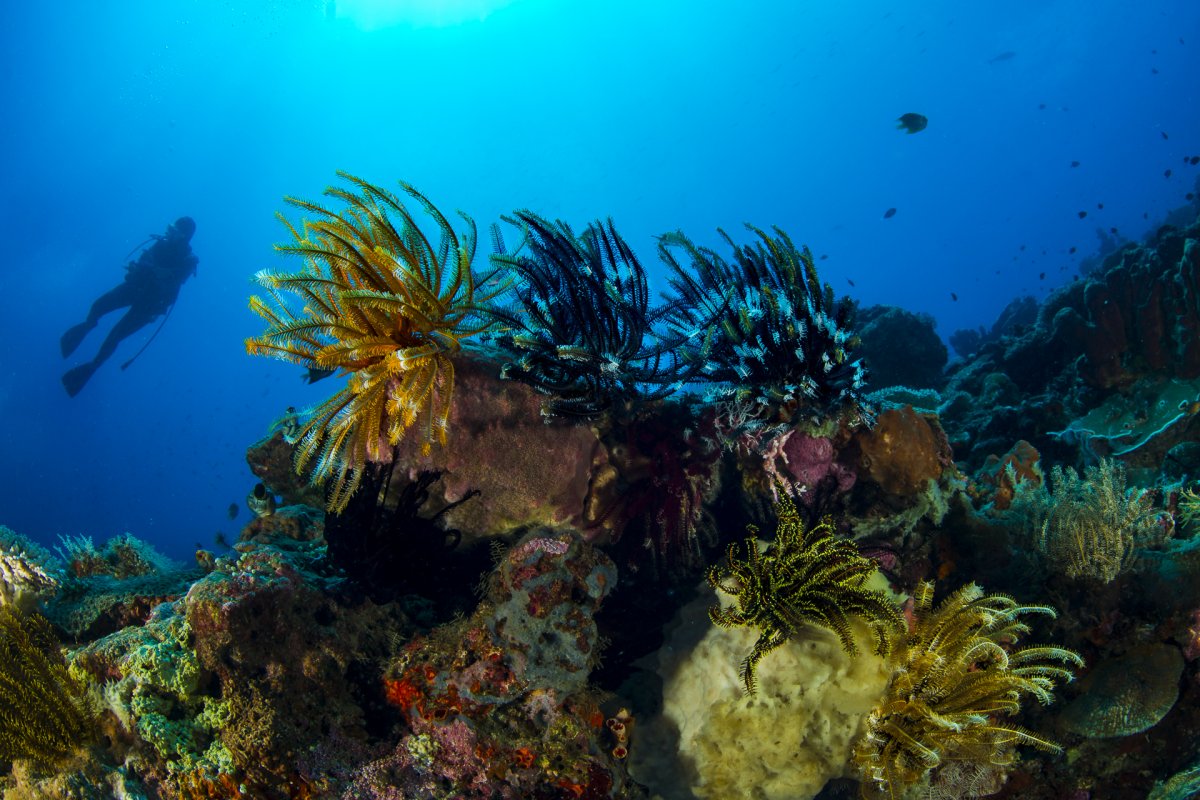
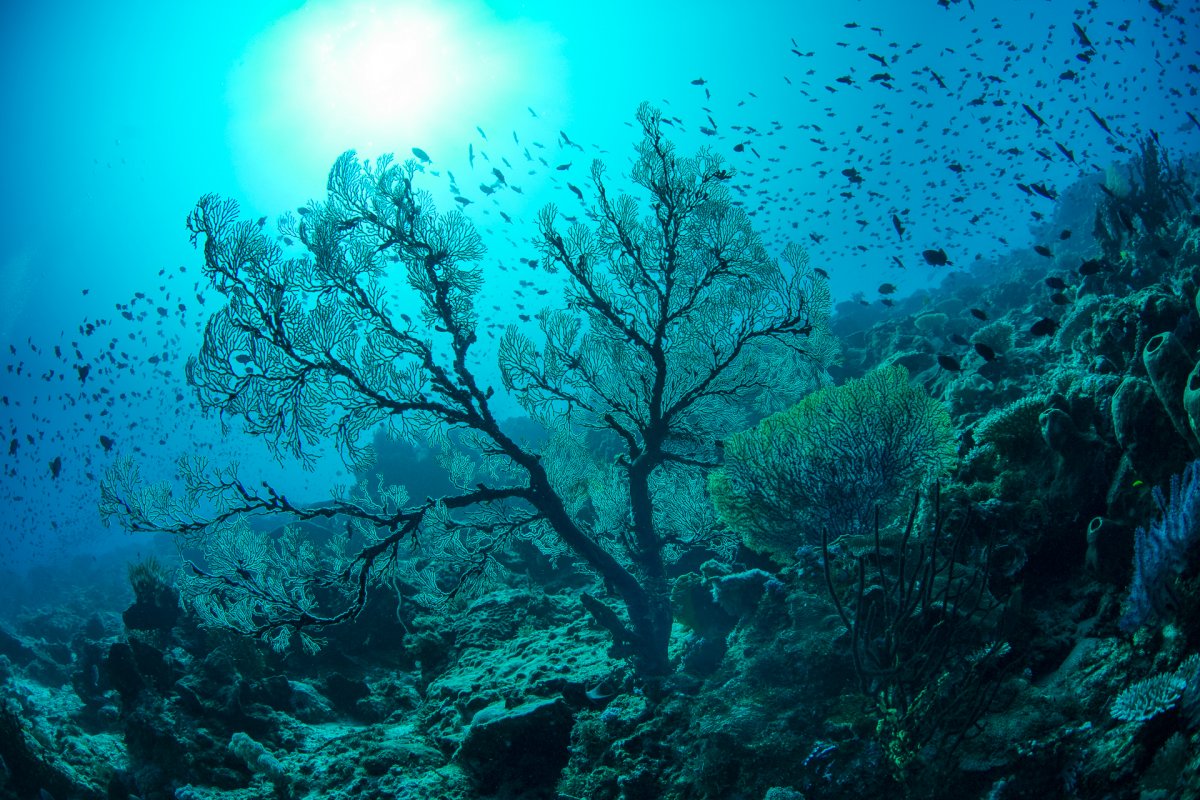
Here some examples (thenks to Lightroom and search tools). Not the shots i am most prpoud of (on the contrary, but just to answer your question).
Not talking about cornes, you see also that at f/8, the the depth of filed drops dramatically.
3 photos at 100 ISO. 1/40th (f/9) or 1/60th (f/8), 15mm Fisheye behind 140mm DP

Just now, lambee01 said:Here some examples (thenks to Lightroom and search tools). Not the shots i am most prpoud of (on the contrary, but just to answer your question).
Not talking about cornes, you see also that at f/8, the the depth of filed drops dramatically.
3 photos at 100 ISO. 1/40th (f/9) or 1/60th (f/8), 15mm Fisheye behind 140mm DP
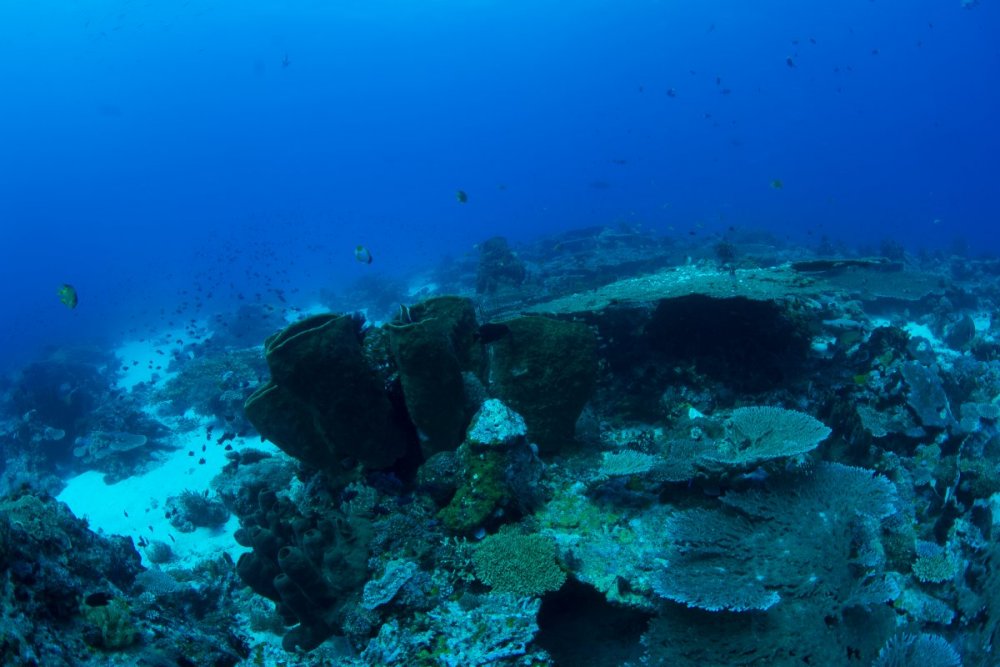
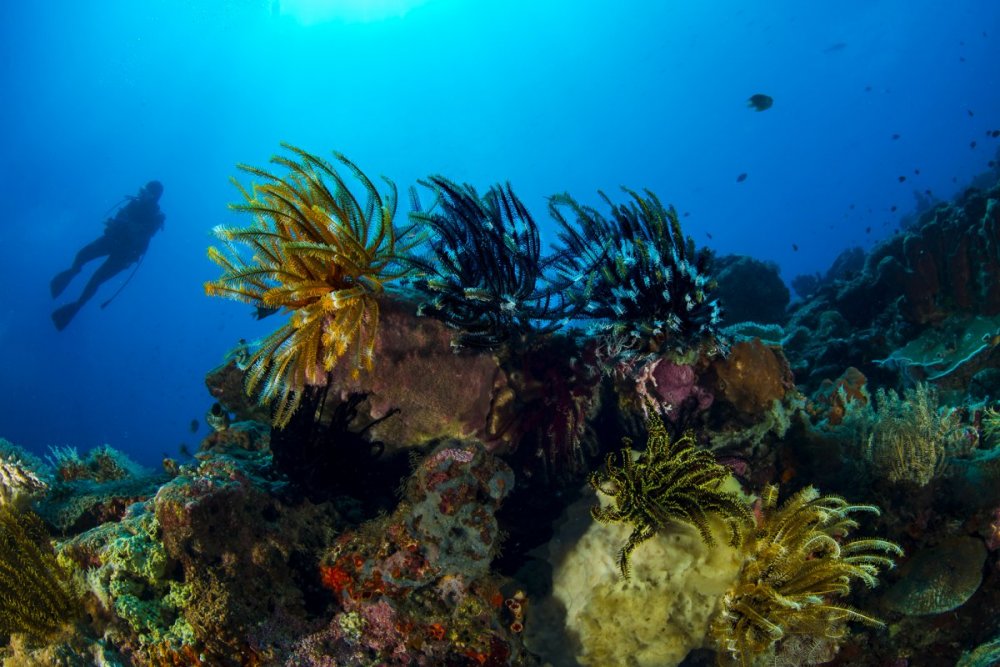
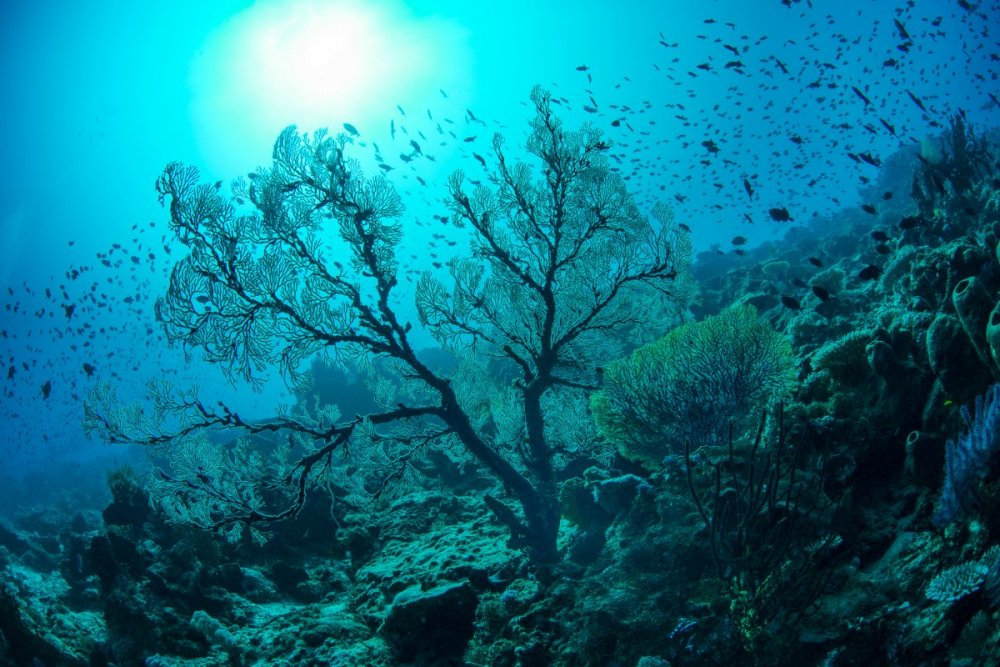
Thank you as always with fisheye shots the edges are dark however from shot 2 I do not see that the edges are particularly blurry
I think f/11 would probably be adequate for most
3 minutes ago, Interceptor121 said:When it comes to sony autofocus it also does not focus with the lens wide open by default the lens is actually as you have it set unless you select aperture drive and then it will focus wide open. I am still struggling to see if the aperture drive brings any benefit at all
FYI, with my A1 (ar A7 rIV) on land, i am not using Aperture drive, unless really low light and using aperture above f/9, but UW, i always use Aperture drive since most of my shot, what ever the lens are above f/8. AF is then performed Aperture wide open.
4 minutes ago, Interceptor121 said:Thank you as always with fisheye shots the edges are dark however from shot 2 I do not see that the edges are particularly blurry
I think f/11 would probably be adequate for most
Another one to answer you question about corners. F/8, ISO 100, 1/60th, DP140. Corners are acceptable, but DOF is much lower at f/8 than above f/11
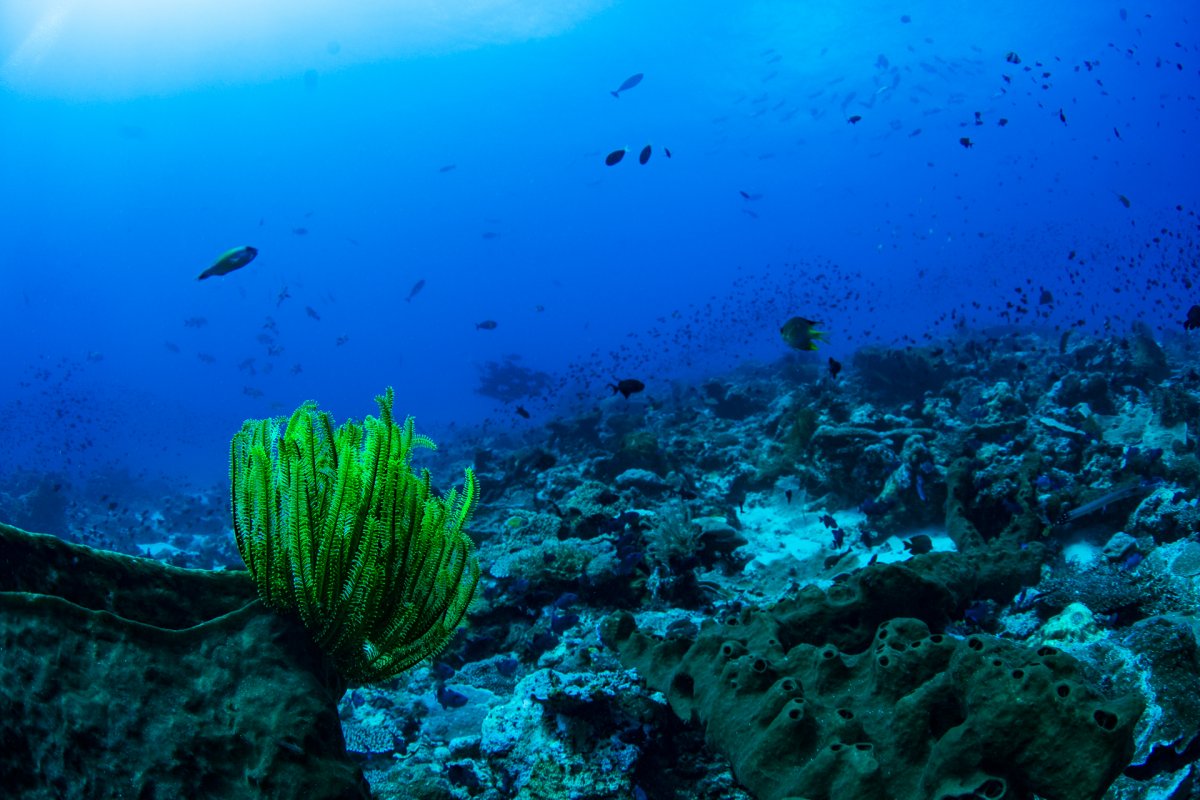
3 minutes ago, lambee01 said:FYI, with my A1 (ar A7 rIV) on land, i am not using Aperture drive, unless really low light and using aperture above f/9, but UW, i always use Aperture drive since most of my shot, what ever the lens are above f/8. AF is then performed Aperture wide open.
Good point. Sony documentation is clear as mud on how things work so what I said is what seems to happen but I am not totally sure.
Just now, lambee01 said:Another one to answer you question about corners. F/8, ISO 100, 1/60th, DP140. Corners are acceptable, but DOF is much lower at f/8 than above f/11
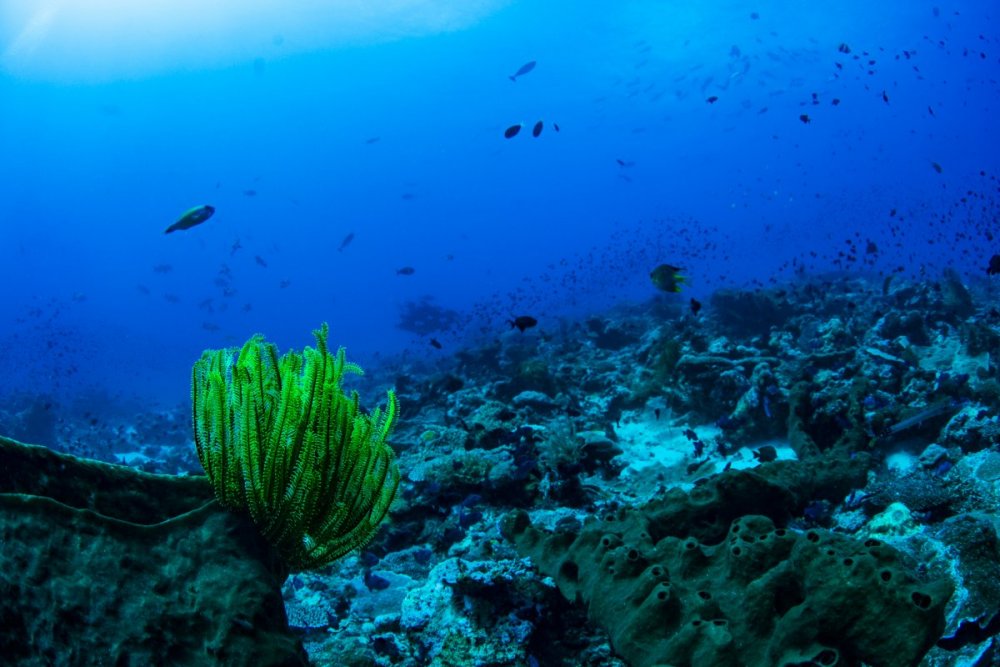
Yes but this happens also if you focus on a widget on land close to the lens the depth of field will lack as you are focussing very close
This is a separate topic from the edges item
So if I am shooting at 1 meter with f/8 I will have depth of field and the edges will be fine
If I shoot on top of the dome edges or not you need to stop down the lens if you want to capture the background but some times for close focus I actually want to blur or darken the background so it really depends
1 hour ago, lambee01 said:@Alex_Mustard Happy to hear you used both and liked both.
I am personnaly using the Sigma 15mm Fisheye and not the Canon 8-15, hence results might be different.However, and i am NOT a specialist nor an expert in Optical Physics, but the curvature of the 140 Dome Port is half a sphere when the curvature of the 230 Dome port is much much larger, and all UW housing manufacturers (Nauticam, but also Subal, Seacam, BS_Kinetics, Seas and Sea, Aquatica etc...) recommend half sphere (hence the DP 140) because of the 180° field of view of the fisheye, which in addition is constructed with a spherical projection and not a rectilinear one. Hence correction of diffraction needs a half sphere and not a dome with lager curvature.
Experienced based, unless i want to do split shots where i would use the DP 230, i always use my FE lense behind the 140 Dome port.
Also looking at shots done at f/8 - f/11, corners are less sharp
Both Nauticam 140 and 230 domeports are hemispheres, perfect suitable for 180° AOV and fisheye lenses (https://www.nauticam.com/collections/n120-ports/products/230mm-optical-glass-fisheye-dome-port-ii). The difference is the radius of the spheres, r=70 mm for the 140 and r=120 mm for the 230 domeport. The virtual image produced by the 140 is smaller and closer to the domeport compared to the one produced by the 230, hence IQ, especially in the corners, is expected to be better with 230. Whther the difference is significant in practice is the question...
The big (Nauticam) domeport for rectilinear lenses that is a smaller section of a sphere than a hemisphere (but has biggest radius), and hence is theoretically not optimal for diagonal 180° fisheye is the Nauticam 250 domeport (radius=160mm; minimum focal length that allows perfect positioning would be 17mm; https://www.nauticam.com/products/n120-250mm-optical-glass-wide-angle-port-ii9).
Wolfgang
Just now, Architeuthis said:Both Nauticam 140 and 230 domeports are hemispheres, perfect suitable for 180° AOV and fisheye lenses (https://www.nauticam.com/collections/n120-ports/products/230mm-optical-glass-fisheye-dome-port-ii). The difference is the radius of the spheres, r=70 mm for the 140 and r=120 mm for the 230 domeport. The virtual image produced by the 140 is smaller and closer to the domeport compared to the one produced by the 230, hence IQ, especially in the corners, is expected to be better with 230. Whther the difference is significant in practice is the question...
The big (Nauticam) domeport for rectilinear lenses that is a smaller section of a sphere than a hemisphere (but has biggest radius), and hence is theoretically not optimal for diagonal 180° fisheye is the Nauticam 250 domeport (radius=160mm; minimum focal length that allows perfect positioning would be 17mm; https://www.nauticam.com/products/n120-250mm-optical-glass-wide-angle-port-ii9).
Wolfgang
The 230mm is not a full emisphere if the radius is indeed 120mm
However a fisheye when used in standard not circular mode does not have 180 degrees field of view
Looking at the canon 8-15mm diagonal field of view is 175 30
115/5=23 arctan(23)=87.5
87.5x2=175
We can conclude that with perfect positioning of the Canon 8-15mm in a 230mm lens there will actually be a small vignetting the lens needs to go in ever so slightly and this will induce some barrel distortion
This will reduce the field of view and make the edges more blurry to which extent this needs to be tested
At the end I am convinced that the most important factor is portability we spend tons of time talking about edges but who really cares about what's there? The strobes can't even cover that field of view anyway
28 minutes ago, Architeuthis said:Both Nauticam 140 and 230 domeports are hemispheres, perfect suitable for 180° AOV and fisheye lenses (https://www.nauticam.com/collections/n120-ports/products/230mm-optical-glass-fisheye-dome-port-ii). The difference is the radius of the spheres, r=70 mm for the 140 and r=120 mm for the 230 domeport. The virtual image produced by the 140 is smaller and closer to the domeport compared to the one produced by the 230, hence IQ, especially in the corners, is expected to be better with 230. Whther the difference is significant in practice is the question...
The big (Nauticam) domeport for rectilinear lenses that is a smaller section of a sphere than a hemisphere (but has biggest radius), and hence is theoretically not optimal for diagonal 180° fisheye is the Nauticam 250 domeport (radius=160mm; minimum focal length that allows perfect positioning would be 17mm; https://www.nauticam.com/products/n120-250mm-optical-glass-wide-angle-port-ii9).
Wolfgang
Wolfgang, what i tried to say when saying that the 230 is not half sphere, yes it is an half spehere, but NOT cut by a plane passing through the center of the sphere like it is with the DP 140.
Tried to picture what i meant with this
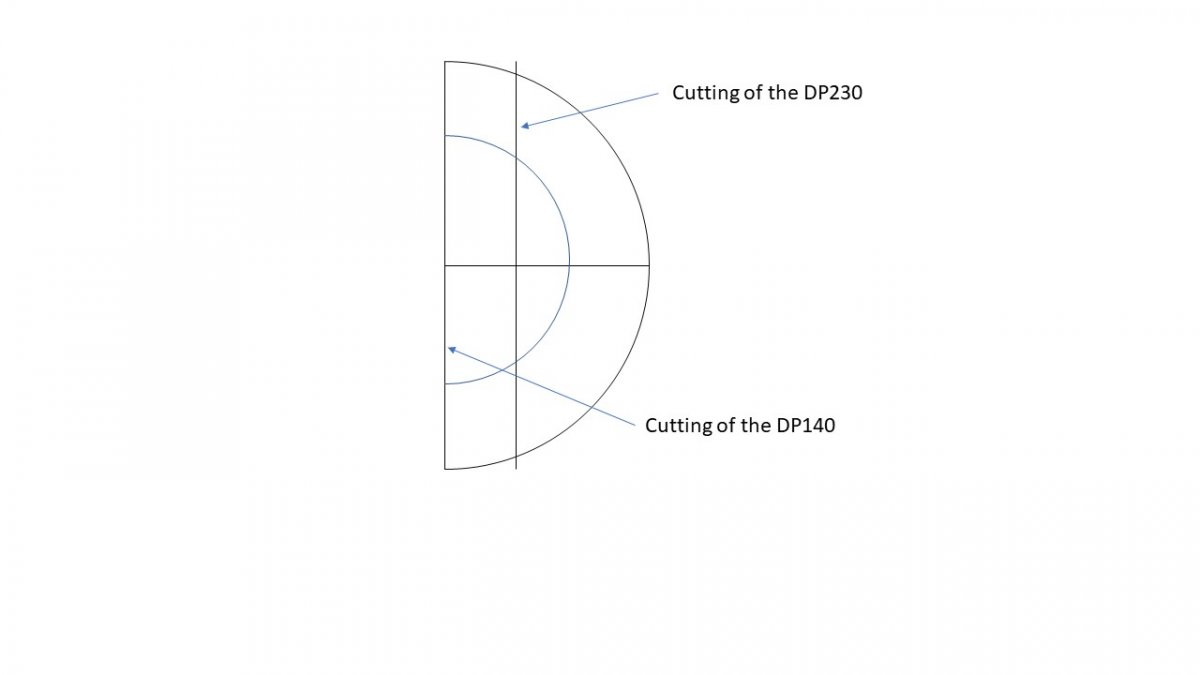
8 minutes ago, lambee01 said:Wolfgang, what i tried to say when saying that the 230 is not half sphere, yes it is an half spehere, but NOT cut by a plane passing through the center of the sphere like it is with the DP 140.
Tried to picture what i meant with this
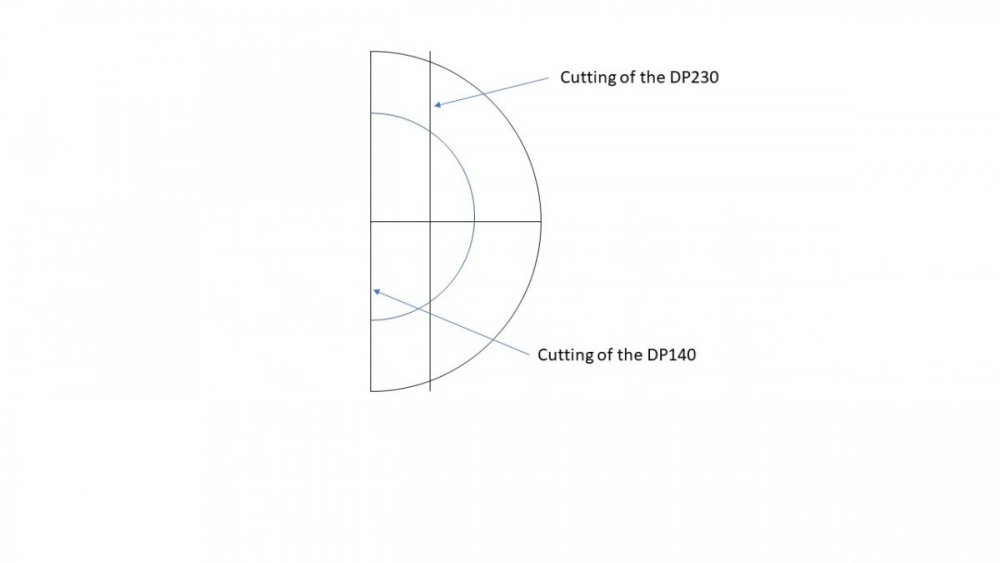
I have provided the exact calculation. The cut is almost an hemisphere is will support up to 175 degrees
The image that you provided is more dramatic in reality the line is very close to the diameter

Terms of Use Privacy Policy Guidelines We have placed cookies on your device to help make this website better. You can adjust your cookie settings, otherwise we'll assume you're okay to continue.

A worldwide community for underwater imaging.