Skip to content

Photography Gear and Technique / Archived topic

Sony A7R V

Started by Phil Rudin ·

  • 212Posts
  • 212Replies

Read-only discussion

Sony A7R V

212 posts
  1. 3 hours ago, Interceptor121 said:

    the adapter and the configuration has an impact on the camera behaviour

    This is not specific of the A7RV and as such is a more general topic about the 8-15mm when used with adaptors on various system

    So here is a bit off topic to talk abou non native lenses as the full capability of the camera AF is not available 

    If we can please move the discussion of the Canon 8-15mm thread or I will open something new for adapted lenses

    I would suggest it's on topic if you want to use a fisheye lens with this or any  Sony camera as there's no other game in town.  

  2. I would suggest it's on topic if you want to use a fisheye lens with this or any  Sony camera as there's no other game in town.  

    The behaviour differs by lens and body


    Sent from my iPhone using Tapatalk
  3. I think this is very important discussion of the A7RV and valuable in the thread. Fisheyes are clearly hugely important in underwater photography.  

    It is important to state that the camera has excellent AF. As I have said above the A7RV has better fish photography AF with the Sony 90mm than any of my Nikons. While I would say that the A7RIV is inferior to my Nikon (in my hands - which are very used to the Nikon). I would also say that the AF with the Sony 28-60mm with WWL/WACP is much better, perhaps unsurprisingly than my Nikon with the old 28-70mm and WACP.

    But the A7RV AF with the Canon 8-15mm fisheye and adaptor is not as good as my Nikon with the 8-15mm, and definitely a long way off the A7RV with the 28-60mm and WWL/WACP. It is possible that I am not using optimum AF settings. However, those same settings are working really well with the other wide angle, so I don't believe these can be so critical. It is also possible, as Massimo suggests, that I don't have the adaptor optimally setup/or the optimal model. If that is the cause, then it is important we work out the best recommendation.

    My feeling is that it is probably just an issue of using a Canon lens on a Sony camera. The AF still works perfectly well for wide angle - it is important to state THIS IS A MINOR ISSUE - but one that is noticeable because of how well all the other lenses work. In short, the fisheye is just much more prone to hunting than the others lenses. Especially with the smaller domes. This has seen me favouring Back Button focusing as a solution. I'd rather just press one button to focus and shoot, but I am OK pressing two! 

    Alex

  4. I have been trying subject recognition with lots of situations with the A7RV. As I have said above, I find that the camera just seems to have a good sense of what to focus on - even when the actual Subject Recognition is turned off, or when it can detect an actual subject.

    I have not used People detect, as I think for wide angle, this might cause the camera to focus on, say, a background model, leaving the foreground out of focus. I have used Animal, Animal/Bird and Insect, the first two being most effective, although only clearly picking up subjects sometimes. Sony might add a Fish mode at some point, especially as I feel that most fish-like-fish would be easy to model (no feathers, fur or even eye lids).

    Alex 

    Edited by Alex_Mustard
  5. Regarding the Canon 8-15mm fisheye I have been using it on Sony since A7R II with the Metabones and more recently with the Sigma MC-11 with A7R IV, A7C, A7 IV, A1 and now A7R V. My Metabones is third generation and I can't speak to later versions but I can say that it is much slower with A1 and A7R V than the Sigma. I suspect the issue is with the Metabones and not the A7R V. 

    I have also used the Canon 8-15 and Nikon 8-15 with native adapters on Canon and Nikon mirrorless cameras and I have seen no performance differences with native lens adapters. 

    As Alex stated above the 28-60 is much faster than the older Sony 28-70. The 28-60 can do 30 AF adjustments per second while the 28-70 can only so about 15. This is the case with the 8-15mm's, they are slower in general caming from the DSLR era. 

    I have used the Sony A1 underwater since March 2021 with the Canon 8-15 and a host of other lenses both Sony and after market and AF is still faster than the A7R V and way faster than A7R IV. 

  6. Regarding the Canon 8-15mm fisheye I have been using it on Sony since A7R II with the Metabones and more recently with the Sigma MC-11 with A7R IV, A7C, A7 IV, A1 and now A7R V. My Metabones is third generation and I can't speak to later versions but I can say that it is much slower with A1 and A7R V than the Sigma. I suspect the issue is with the Metabones and not the A7R V. 
    I have also used the Canon 8-15 and Nikon 8-15 with native adapters on Canon and Nikon mirrorless cameras and I have seen no performance differences with native lens adapters. 
    As Alex stated above the 28-60 is much faster than the older Sony 28-70. The 28-60 can do 30 AF adjustments per second while the 28-70 can only so about 15. This is the case with the 8-15mm's, they are slower in general caming from the DSLR era. 
    I have used the Sony A1 underwater since March 2021 with the Canon 8-15 and a host of other lenses both Sony and after market and AF is still faster than the A7R V and way faster than A7R IV. 

    The metabones V takes teleconverters front and back
    This is the most important difference
    Generally with the latest version the metabones is an upgrade on the mc11 especially if you want to use caf or use af in video
    I will sooner or later do a write up on the metabones mark V


    Sent from my iPhone using Tapatalk
  7. Fun fact 121 but what does that have to do with Alex issue with the Canon 8-15mm on the A7R V I don't think he is trying to use a teleconverter. 

  8. Fun fact 121 but what does that have to do with Alex issue with the Canon 8-15mm on the A7R V I don't think he is trying to use a teleconverter. 

    The metabones has two modes

    On the mark IV is not possible to check how it is set because there is no led you need to connect using usb

    Generally the advanced mode has more features for example you can see the focal length however pdaf pixels are only in the middle so if you think you are focussed on an edge the camera is either working on contrast detect or hunting elsewhere

    In green mode the pdaf pixels cover the whole sensor however sony hybrid af doesn’t work is pure pdaf the camera may not be so accurate

    Finally the two modes influence the aperture drive one keeps the aperture open until you focus the other adjusts continuously

    As i said depending on conditions and lens one may work better than the other but more importantly you need to be aware of the af limitations of the mode you are in


    Sent from my iPhone using Tapatalk

  9. One of my second workshop group has an A1, so if he's willing to swap cameras for a dive, I will be able to compare the AF underwater with the A7RV, as I did last week with the A7RIV. Will do it with a native Sony lens! 

  10. Hi @Alex_Mustard, following your testing with lots of interest :)  

    AF performance is also affected by luminosity and water clarity, did you have a chance to test the Sonys in low-light and/or low-visibility yet? 

  11. No to low visibility :D we've had impeccable diving conditions so far. Yes to low light (in caverns here). AF less good in low light, monochromatic (blue) environment. And its amazing tracking of subject super-ability is diminished. But all cameras are similarly afflicted. I'd say it doesn't have the ability to see in the dark, but is decent in tough conditions. 

    Just fitted the UW Technics converter for this week - so I can try HSS with Retra Pros (not shooting the Pros tomorrow - as testing something else, so that will have to wait), but I can with this converter access the full 1/250th synch speed (the other converter maxed out at 1/200th as the camera didn't recognise it as a Sony flash) and turn the flash off through the menu. Have switched the camera to Wireless Flash for use with the board.

    Alex

    Edited by Alex_Mustard
  12. I've been shooting the A1 with the 28-60 + WWL1-B/CMC-1 since it was released. The autofocus is usually amazing (esp. compared to my prior camera the RX100V, this was a major upgrade)... I mainly dive cold water, and last weekend I went up to Campbell River, BC where we had a 100' vis. I was actually surprised, as I had a lot more "misses" than normal,  especially when I got home and reviewed shots of a small red sculpin on a large yellow sponge (most were out of focus). I probably should have reduced my focus area from L to S, but when you have giant smurf gloves on you tend not to change settings that often. That said, I still usually make the effort to swap lenses a few times on dives when warranted, so I can get some macro shots with the CMC-1 (for all those cute little nudibranchs we have around here). That said I always have trouble with the limited focus distance of that combo (even though it's exponentially easier than when shooting with my RX100V - esp. when the flash recycle time took forever on that setup).


    All this is background to ask @Alex_Mustard is the 90mm macro worth it?


    I've been avoiding the purchase for almost two years now in hopes Sony will release a newer/faster maco lens. And I've justified the wait, as I do prefer to have "options" with the wet contact optics while diving. But when the vis. starts to go to crap again around here, macro is where it is at in cold water diving. I'm thinking I should probably just hurry up and settle on the old 90mm, or I could be waiting a long time for something better to come along.


    And one other question, do you ever shoot ISO-Auto (I'm guessing not), but if so what do you typically set your max limit to?


    Edited by insomniac
  13. I've not tried the 28-60mm with the CMC. I must do that before I have to give the camera back.

    I have been very happy with the 90mm. It focuses very well on the A7RV and you can expect it to at the very least match that performance on the A1.

    I informally asked a friend, who is a long-time International Ambassador for Sony with a specialisation in macro, about the 90mm and if he knew if it would have some friends sometime. And he was not positive about something happening soon, but said he didn't know.. 

  14. 11 hours ago, Alex_Mustard said:

    No to low visibility :D we've had impeccable diving conditions so far. Yes to low light (in caverns here). AF less good in low light, monochromatic (blue) environment. And its amazing tracking of subject super-ability is diminished. But all cameras are similarly afflicted. I'd say it doesn't have the ability to see in the dark, but is decent in tough conditions. 

    Just fitted the UW Technics converter for this week - so I can try HSS with Retra Pros (not shooting the Pros tomorrow - as testing something else, so that will have to wait), but I can with this converter access the full 1/250th synch speed (the other converter maxed out at 1/200th as the camera didn't recognise it as a Sony flash) and turn the flash off through the menu. Have switched the camera to Wireless Flash for use with the board.

    Alex

    Alex, I’m intrigued that you were able to turn the flash off in the camera menu, as I haven’t been able to get my A1 to do this for me. Is there a special setting that you needed to change to enable this, is it new to the A7R5, or is it specific to the strobe trigger you’re using? (I’ve tried with Nauticam’s basic trigger and TRT Electronics one and haven’t been able to get this to work)

  15. 19 hours ago, insomniac said:

    I've been shooting the A1 with the 28-60 + WWL1-B/CMC-1 since it was released. The autofocus is usually amazing (esp. compared to my prior camera the RX100V, this was a major upgrade)... I mainly dive cold water, and last weekend I went up to Campbell River, BC where we had a 100' vis. I was actually surprised, as I had a lot more "misses" than normal,  especially when I got home and reviewed shots of a small red sculpin on a large yellow sponge (most were out of focus). I probably should have reduced my focus area from L to S, but when you have giant smurf gloves on you tend not to change settings that often. That said, I still usually make the effort to swap lenses a few times on dives when warranted, so I can get some macro shots with the CMC-1 (for all those cute little nudibranchs we have around here). That said I always have trouble with the limited focus distance of that combo (even though it's exponentially easier than when shooting with my RX100V - esp. when the flash recycle time took forever on that setup).


    All this is background to ask @Alex_Mustard is the 90mm macro worth it?


    I've been avoiding the purchase for almost two years now in hopes Sony will release a newer/faster maco lens. And I've justified the wait, as I do prefer to have "options" with the wet contact optics while diving. But when the vis. starts to go to crap again around here, macro is where it is at in cold water diving. I'm thinking I should probably just hurry up and settle on the old 90mm, or I could be waiting a long time for something better to come along.


    And one other question, do you ever shoot ISO-Auto (I'm guessing not), but if so what do you typically set your max limit to?

    @insomniac, I don’t have the deep experience of Alex, but I’ve dived with a very similar setup as you - A1, 28-60mm, WWL-1B and a macro diopter for the occasional small thing (I use the SMC-1 rather than the CMC-1). I also love the flexibility of this setup, and for example recently got some very serviceable Pygmy Seahorse shots with this in Raja when doing primarily wide-angle dives (with the macro diopter just in case we found a Pygmy). Having said that, if I know that I’m going to be shooting macro, the 90mm macro lens is a much more enjoyable option and in my opinion has a nicer image quality, so I’d choose this every time. The focusing range (1:1 => infinity) is much more flexible which makes shooting larger macro subjects more enjoyable, and for smaller subjects you can pop on a diopter to go beyond 1:1. Additionally, you get more working distance with the 90mm macro lens, which is really helpful for shyer subjects. For super macro I use the SMC-1, or a Kraken diopter (for things just a little too large for the SMC-1 or if I’m having trouble focusing with the SMC-1). With a focus light I’m able to use tracking focus on all but the tiniest of subjects. This allows me to pull back slightly from my subject to find it, then activate the tracking and slowly inch forward, all the while being in focus. This is not traditional best practise for super-macro, but it seems to work pretty well with the Kraken diopter (and sometimes with the SMC-1) and is a heck of a lot easier than having to find your subject when you’re out of focus in the wrong focal plane! It’s also a life-saver if you have moving subjects.
     

    Note when shifting to the 90mm macro lens that this needs to move much larger pieces of glass to focus than the 28-60mm and you can hear/feel this whirring sometimes. But as Alex said, it focuses well and takes fantastic images.

    Edited by shanesmith.photos — Added comment about working distance
  16. 5 hours ago, Alex_Mustard said:

    I've not tried the 28-60mm with the CMC. I must do that before I have to give the camera back.

    I have been very happy with the 90mm. It focuses very well on the A7RV and you can expect it to at the very least match that performance on the A1.

    I

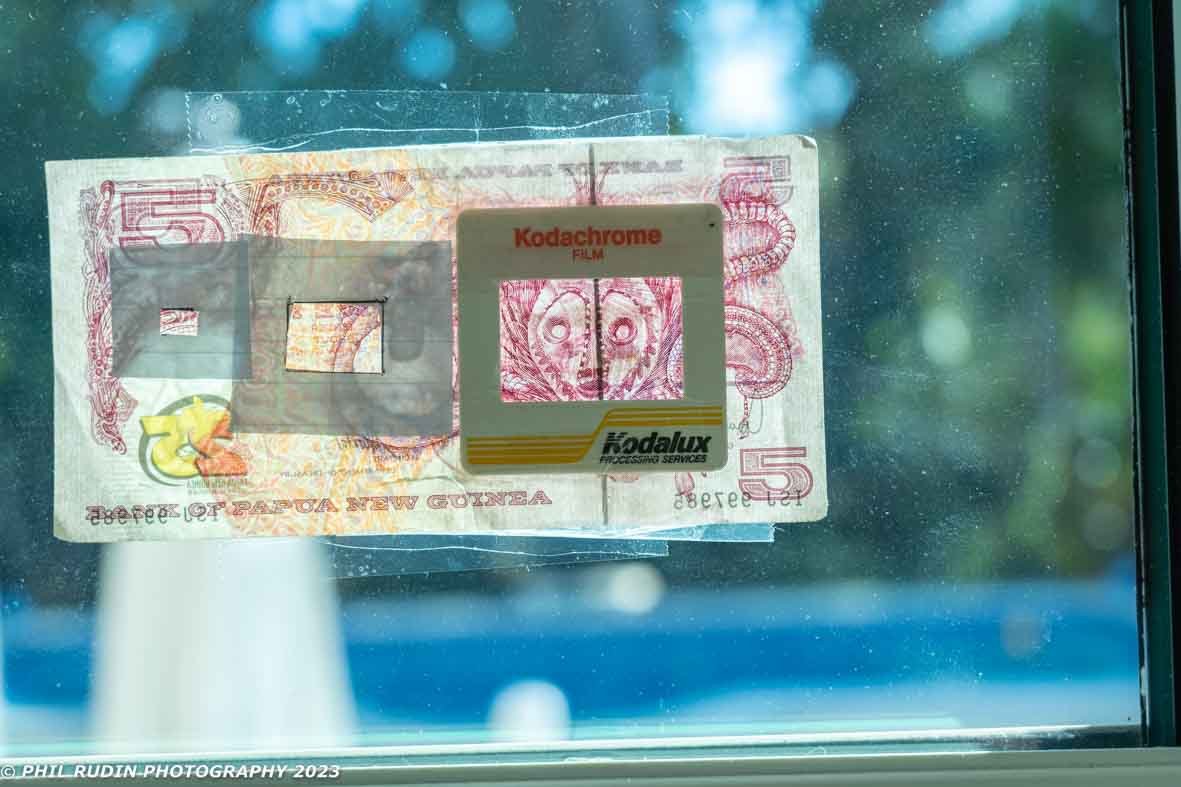
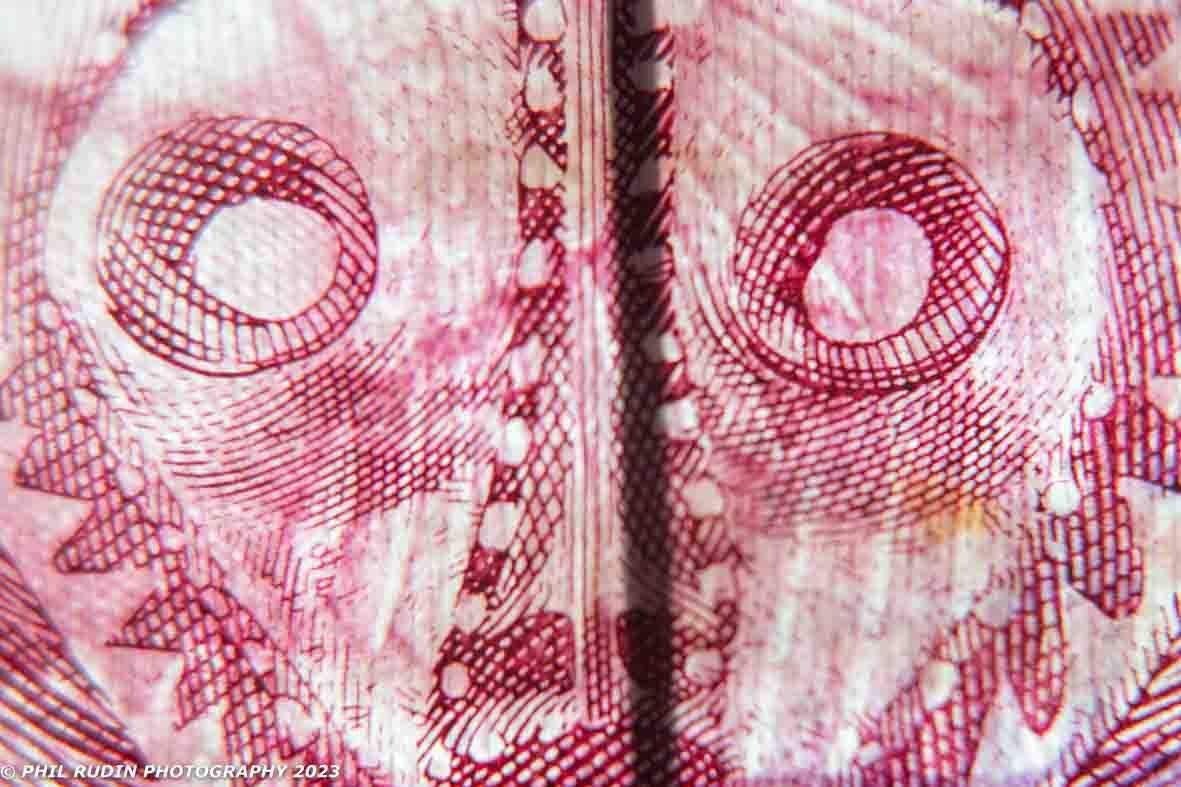
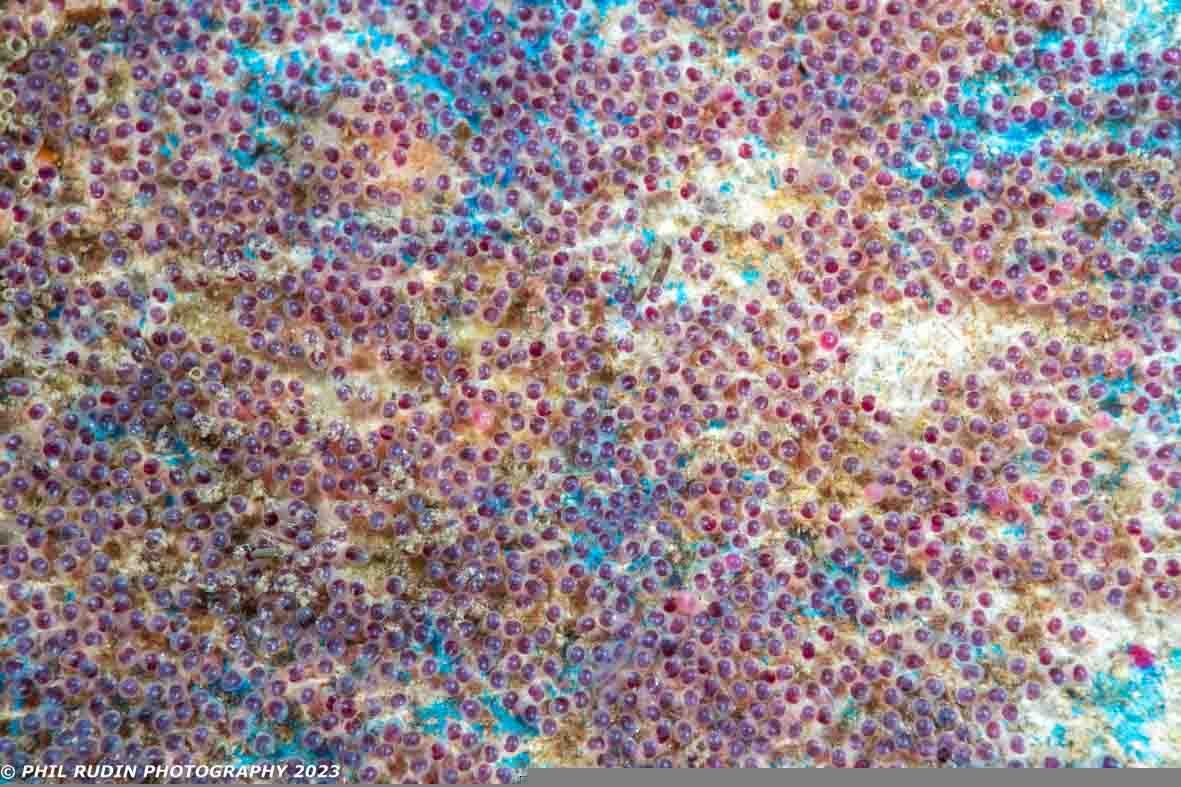
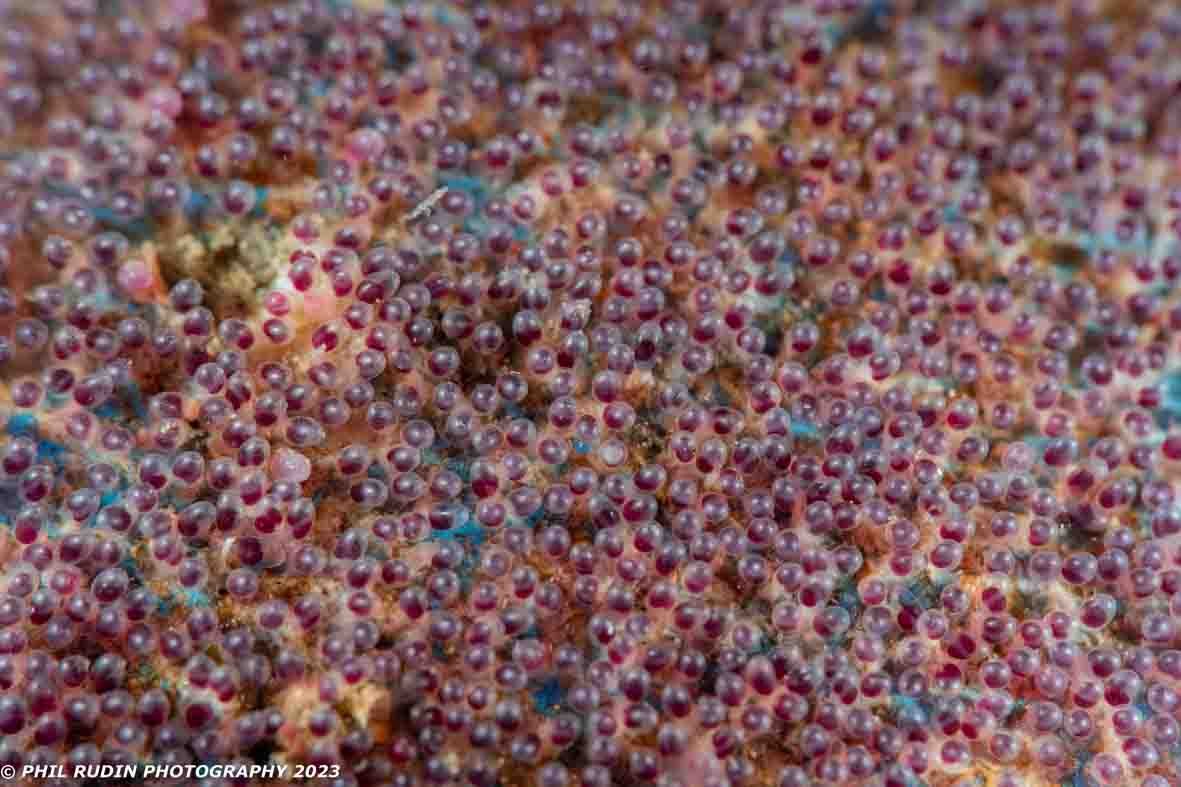
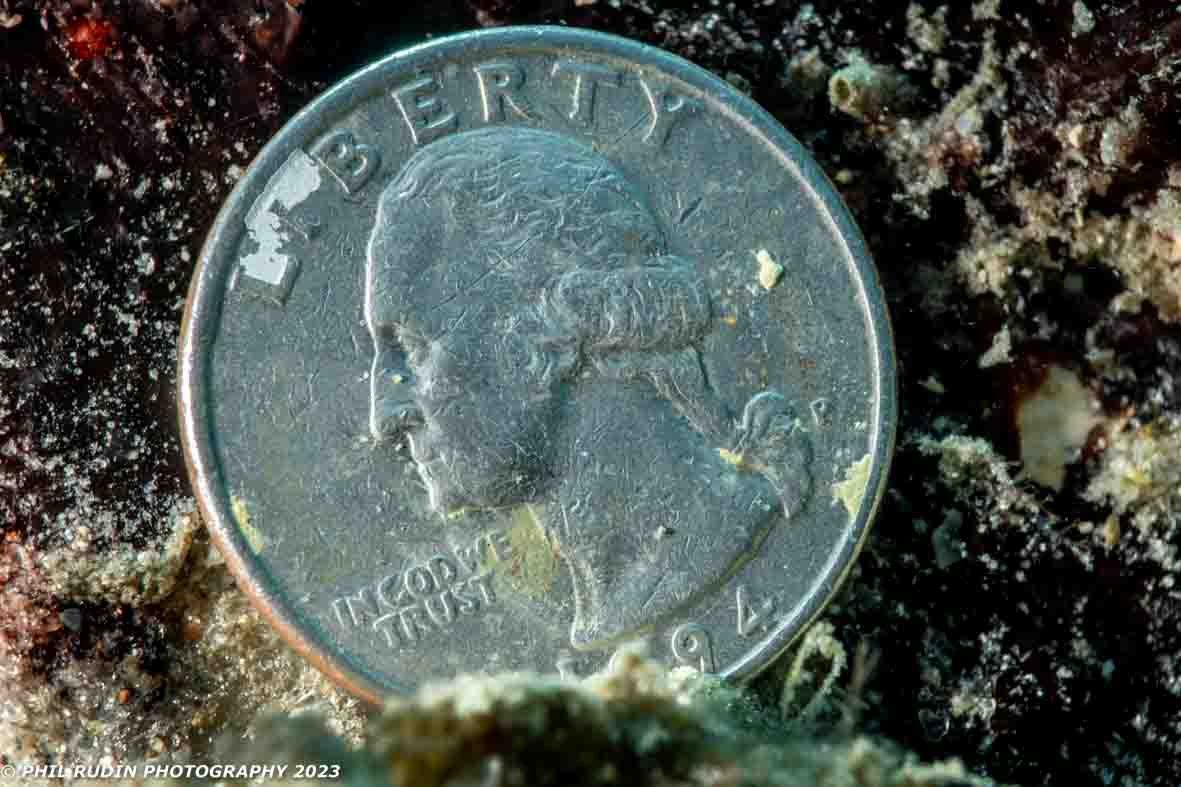
    Regarding using the Sony FE 28-60mm at 60mm with the CMC-1 I have attached some of my test photos. Nauticam US ask me among other things to try CMC-1, SMC-1 and CMC-1 X 2 stacked. 

    I have attached some photos with CMC-1 which has a bit more magnification than SMC-1.

    The bill pasted to the window is the 60mm at closest focus.

    The first image of the bill is with one CMC-1 and the second is stacked CMC-1's, same for the Sergeant Major eggs. The coins is max magnification with CMC-1 which is slightly larger than 1:1 and beyond life size, 1:1 stacked.


    untitled-00205.jpg

    untitled-00201.jpg

    untitled-00270.jpg

    untitled-00394.jpg

    untitled-00404.jpg

    untitled-00488.jpg

  17. 15 hours ago, Alex_Mustard said:


    Just fitted the UW Technics converter for this week - so I can try HSS with Retra Pros (not shooting the Pros tomorrow - as testing something else, so that will have to wait), but I can with this converter access the full 1/250th synch speed (the other converter maxed out at 1/200th as the camera didn't recognise it as a Sony flash) and turn the flash off through the menu. Have switched the camera to Wireless Flash for use with the board.

    Alex

    If I understand the problem correctly it is not a camera issue. The camera does not need to be recognized a Sony proprietary flash. I am using the one pin flash trigger on a Marelux housing to fire the A7R V at 1/250th using fiber optics. It also syncs with the A1 at 1/400th in full frame and 1/500th in APS-C mode. My tests flash is with the Backscatter MF-1 and 2 also with a pair of Inon Z-330's. 

    I suspect your issue is with the flash trigger.

    For the Sony A1 to sync above 1/250th using a one pin flash trigger you need to go into the pink menu, go to flash #4 them, Flash Sync Spd. Pray and turn on. This will allow the trigger to Sony at 1/400th and 1/500th. Also I keep the Flash mode set to Flash-Fill at all times.

    Flash Sync Spd. Pray does not does not show in the A7R V menu. 

  18. Hopefully this image loads and can be viewed large enough to be useful. WACP or WWL for Sony. 

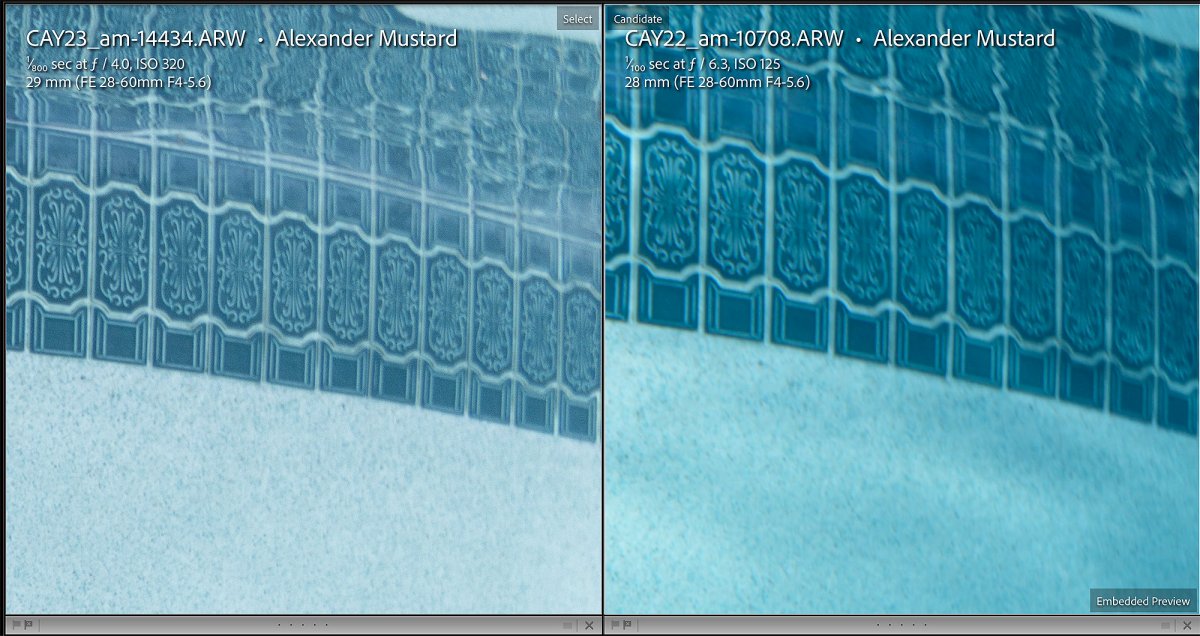
    I have compared the corner performance of the WACP-1 (left) and WWL-1 (right) in the pool. The two shots are both taken with A7RV and 28-60mm @28mm. Left with WACP-1, right with the WWL-1. They are not perfect test shots, but close enough. The images are scree grabbed from LR to compare the pool tile detail in the top right corner of the image (zoomed 100%). 

    From the tests I would conclude that the corner performance of the WACP-1 at aperture f/4, is about the same as the WWL-1 between f/6.3 (show) and the next step, f/7.1. I think at f/6.3 the WWL-1 is slightly worse in the corner than the WACP-1 at f/4. At f/7.1 is ever so slightly better than WACP-1 at f/4.. 

    Alex

    WACP_WWL.jpg

    Edited by Alex_Mustard
  19. Interesting and helpful comparison! But I'm confused by the statement that the WWL-1 at f/6.3 is equivalent to the WAPC-1 at f/4 since no area of the WWL-1 shot is as sharp as the WACP-1 shot. From these images I would conclude that the difference is greater than stated.

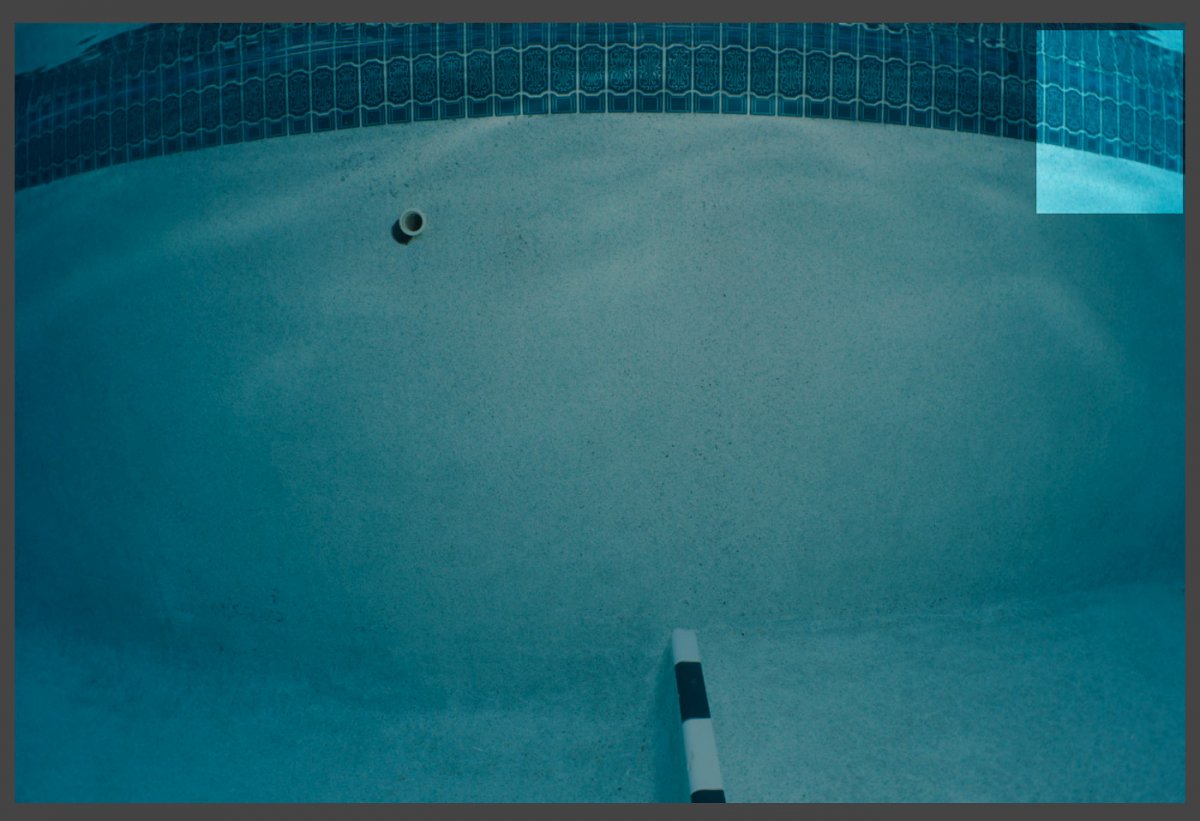
  20. I don't see that statement in my post! What I posted were zoom-ins into the corner of the frame. So I was only meaning to discuss corner sharpness/amount of blurring! To make my post clearer, this is the area of the original images shown in the test shots.

    1066184464_Screenshot2023-01-23at01_33.28copy.thumb.jpg.5c9ce3c3bcfea8b0256118ddc41bc31a.jpg

    The majority of the frame does not show this corner softening. 

    I would like to use real world photos to comment on overall sharpness. But these tests do suggest that the WACP-1 is noticeably sharper than the WWL-1 right across the frame. But I'll wait to test that in diving photos (not pool shots). I have done lots with the WWL-1B this trip, and will switch over to the WACP once I have done one more dive to test the CMC option with the 28-60mm. And then will comment. 

    I have been very happy with the WWL, until I shot the WACP-1...

    Alex

Isotta

Account

Navigation

Search

Search

Configure browser push notifications

Chrome (Android)
  1. Tap the lock icon next to the address bar.
  2. Tap Permissions → Notifications.
  3. Adjust your preference.
Chrome (Desktop)
  1. Click the padlock icon in the address bar.
  2. Select Site settings.
  3. Find Notifications and adjust your preference.