



Leaderboard
-
-Edit.jpg.0739718b849caea17a4f73bb93954a2a.jpg)
Dave_Hicks
Members98Points716Posts -
Chris Ross
Super Moderators57Points1,491Posts -
.jpg.c5e6bd876847a2be9e8f7ad68dd32d7c.jpg)
Davide DB
Super Moderators45Points1,461Posts -
Alex_Mustard
Members44Points141Posts

Popular Content
Showing content with the highest reputation since 11/14/2025 in all areas
-
13 pointsA trio of Humpback Whale (Megaptera novaeangliae) escorted by Bottlenose Dolphin (Tursiops truncatus) and California Sea Lion (Zalophus californianus) as they hunt and feed in Magdalena Bay, Baja Pacific, Mexico. Seeing whales underwater for the first time was definitely the highlight of a snorkeling trip to Magdalena Bay with Nautilus Liveaboards. Nikon Z8 w/8-15mm @15mm fisheye lens, f8@1/250s iso640, Natural light
.jpg.12273f15aec9ee16a95e1f5ced4c198d.jpg) 13 points
13 points -
We were supposed to finish the day. On the way back to the boat I saw some action across the bay about a mile away. Like geyzers popping up all over the place. I talked others to go to check this out and the rest is history. It was the most spectacular action of our trip and as the guides put it they've never seen anything like it in years. Never mind my battery was exhausted before three humpbacks decided to end the party and splash me away :-)10 points
-
Hello all, Well, I’ve been giving in to the times and working on vertical-format edits, even though I’m not really phone-oriented (I know, I know, O tempora, o mores! 😢). I thought I’d share this one here, as I’m happy with the shots - the pipefish itself is about as vertical as they come, and it was cooperative enough to let me get close for some nice details. I find the eyes, gills and tiny swimming fins rather fascinating. For the boomers and purists in the back row, a more traditional and civilised UHD edit - horizontal like nature intended - is also viewable here 😁: https://youtu.be/za96mthi8xE Gear-wise, this was shot on the ol' Lumix LX10 in 4K 30fps, with a Nauticam CMC-1 diopter, two Kraken Hydra 8000V2 lights and a Backscatter MW4300. This was filmed last week at Kin Bay, on the Pacific side of Okinawa’s main island. Cheers! Ben10 points
-
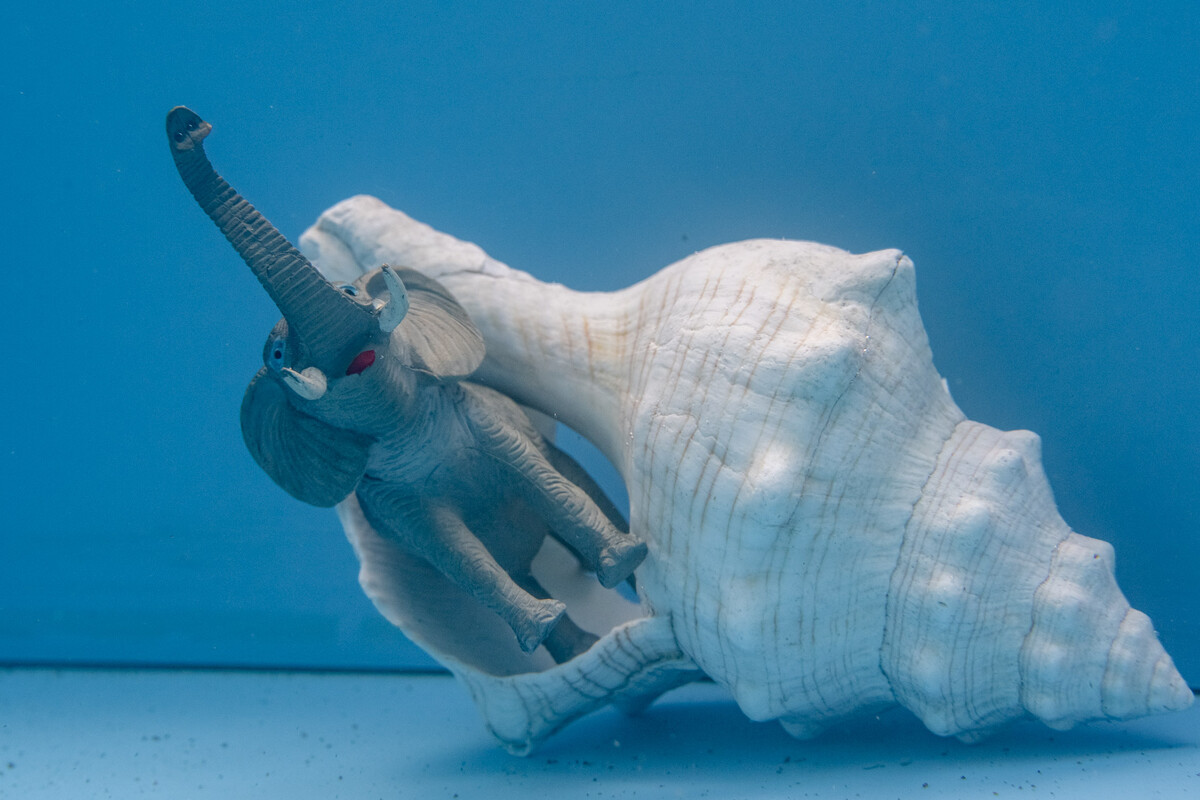
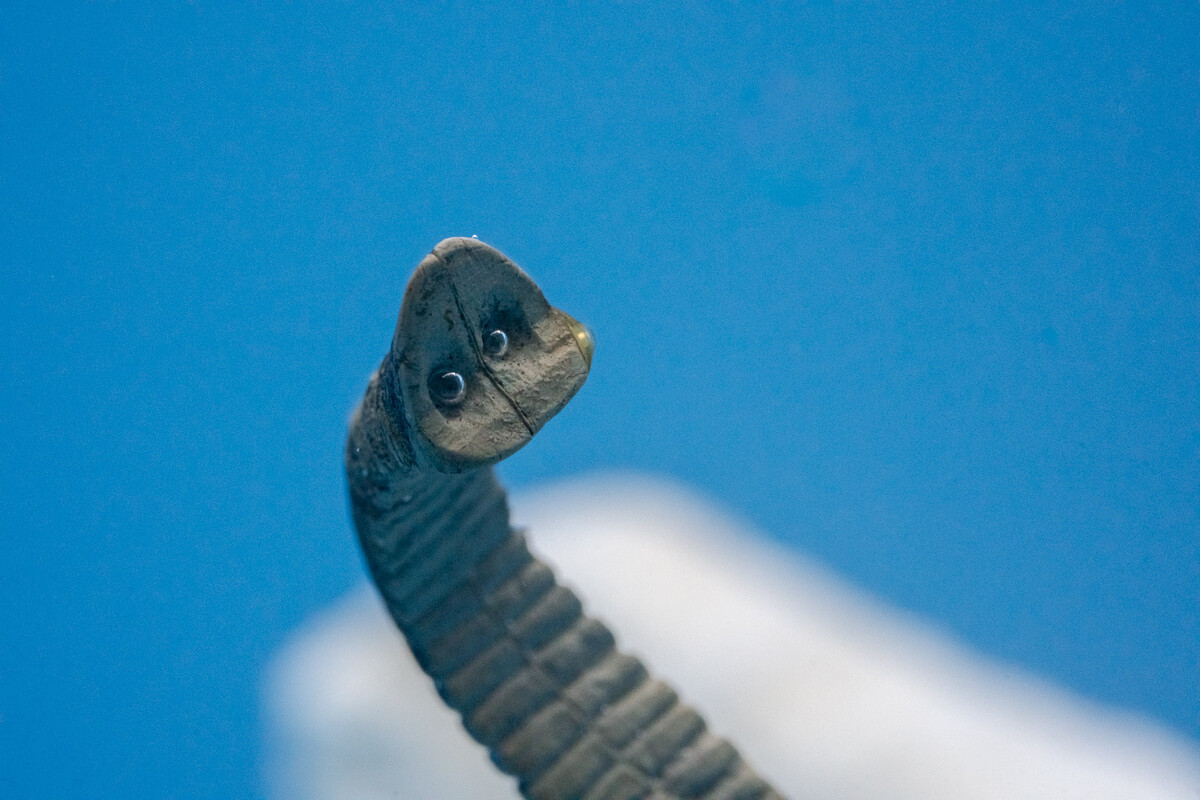
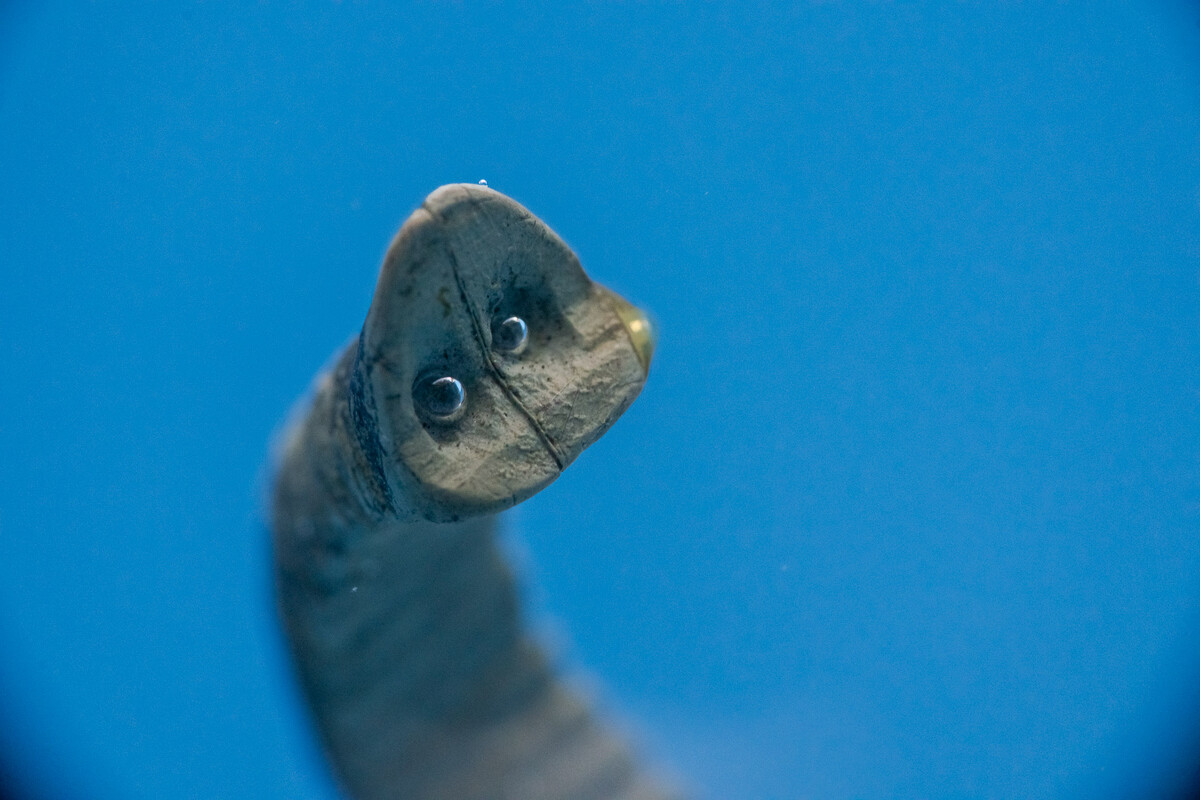
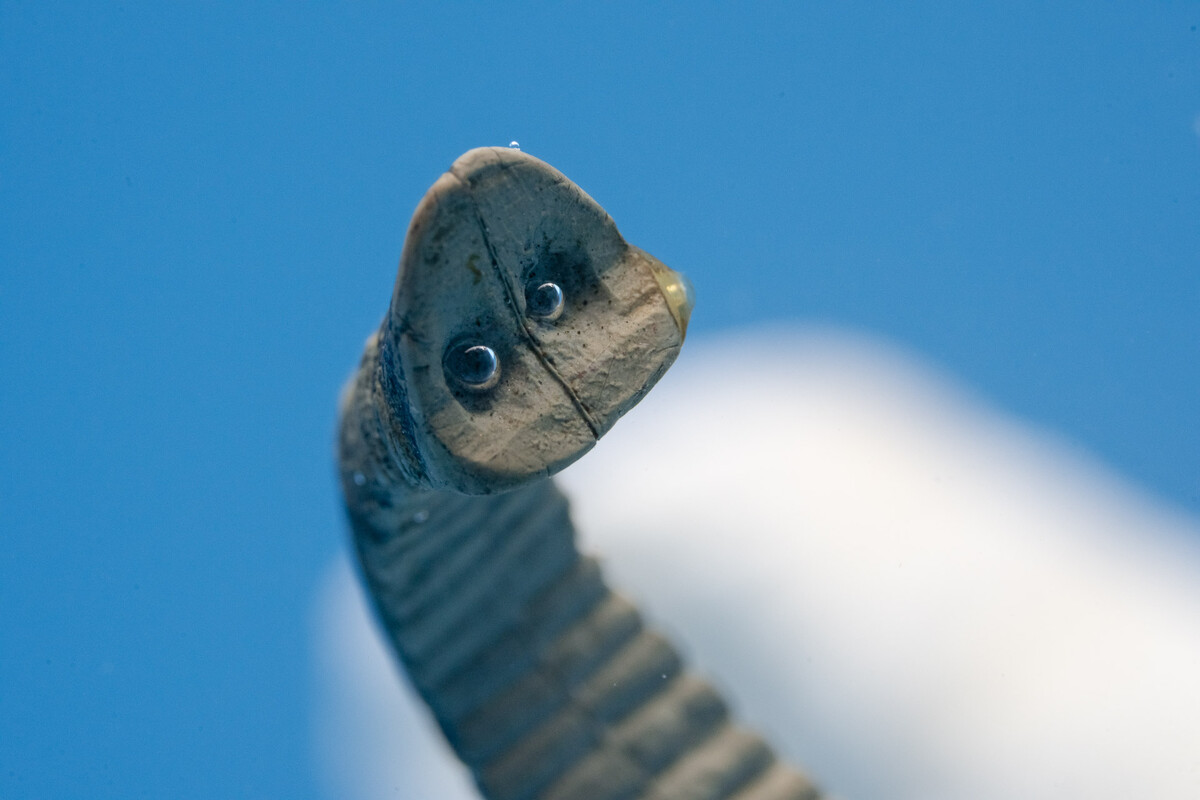
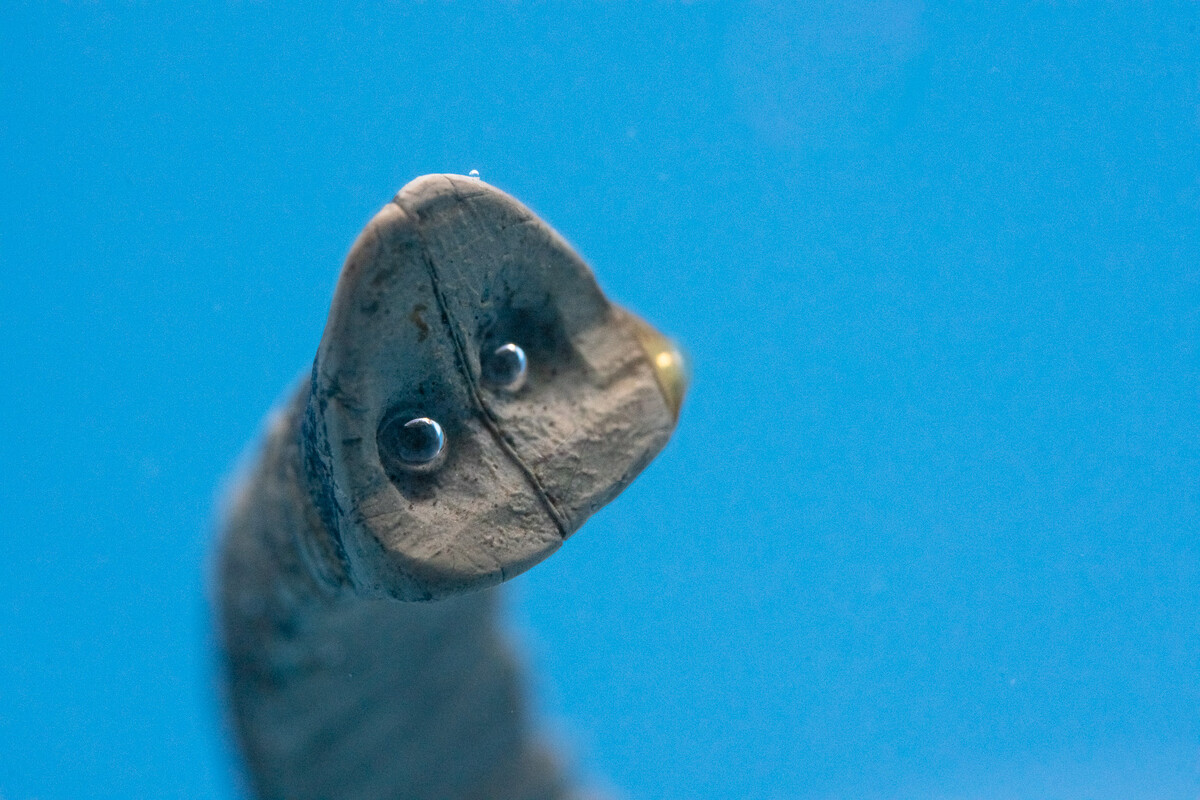
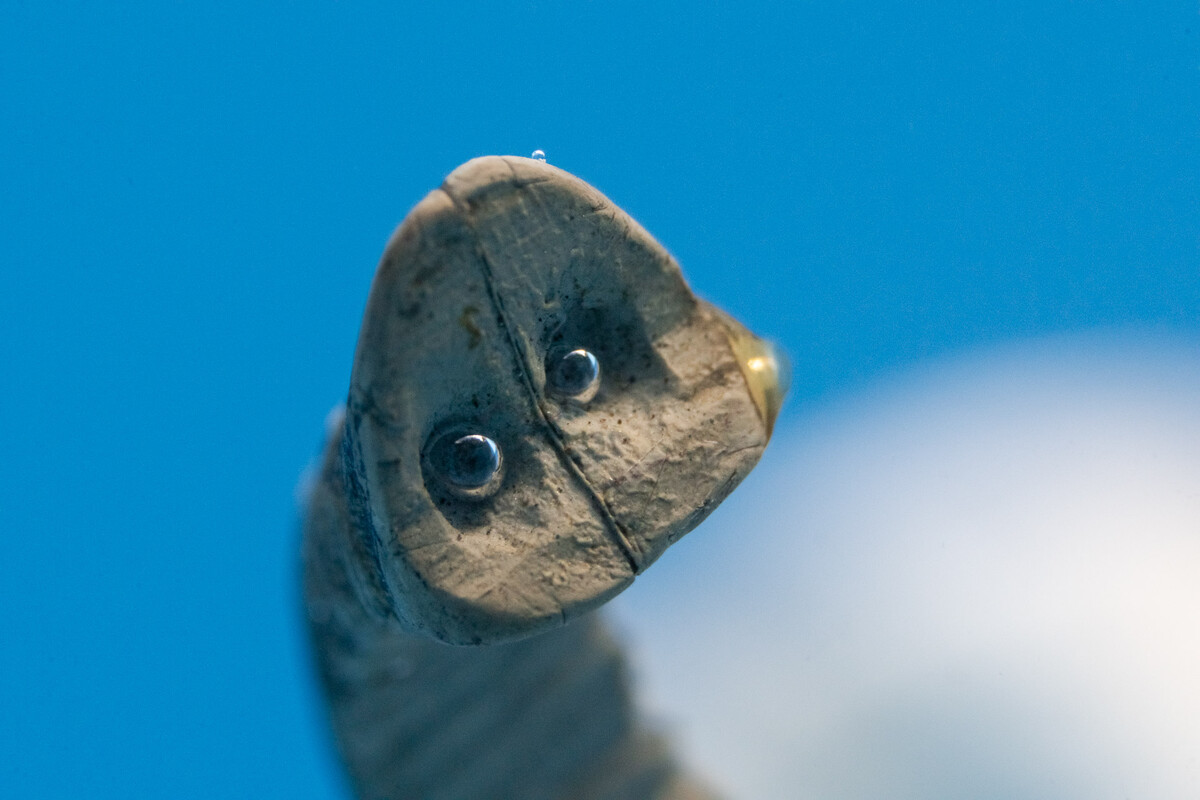
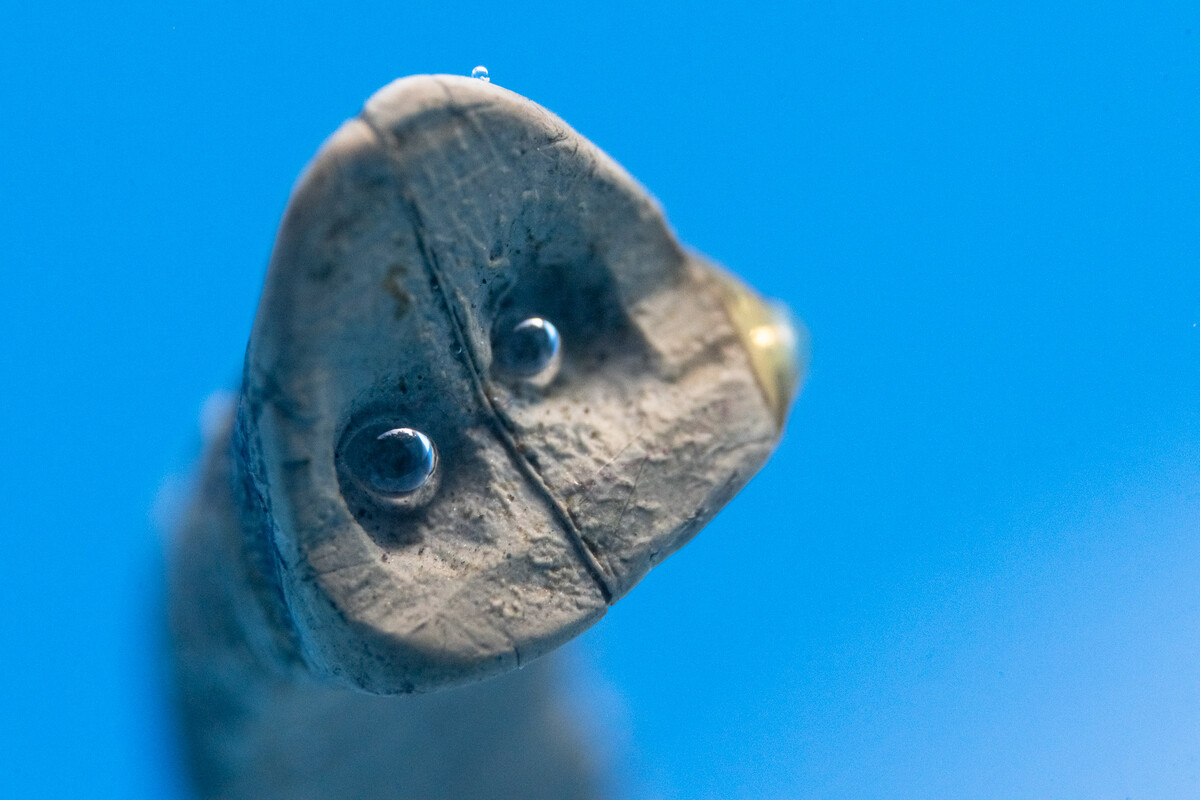
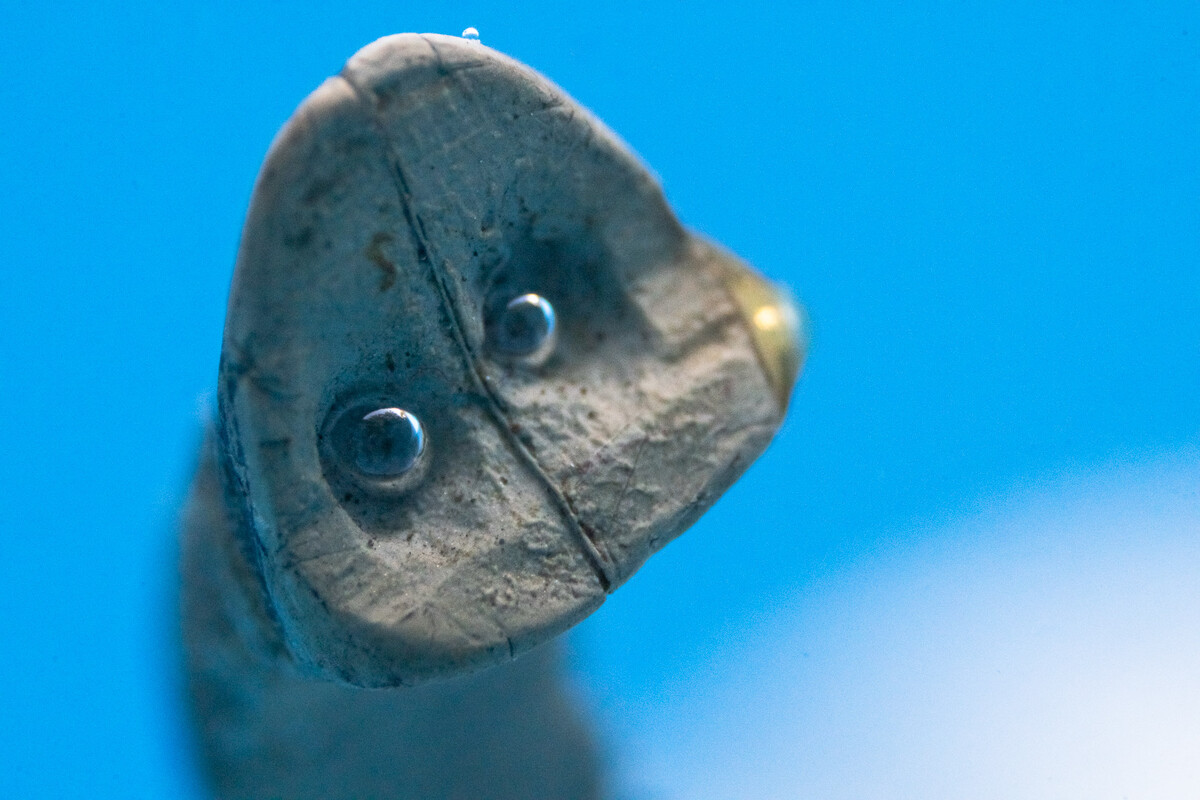
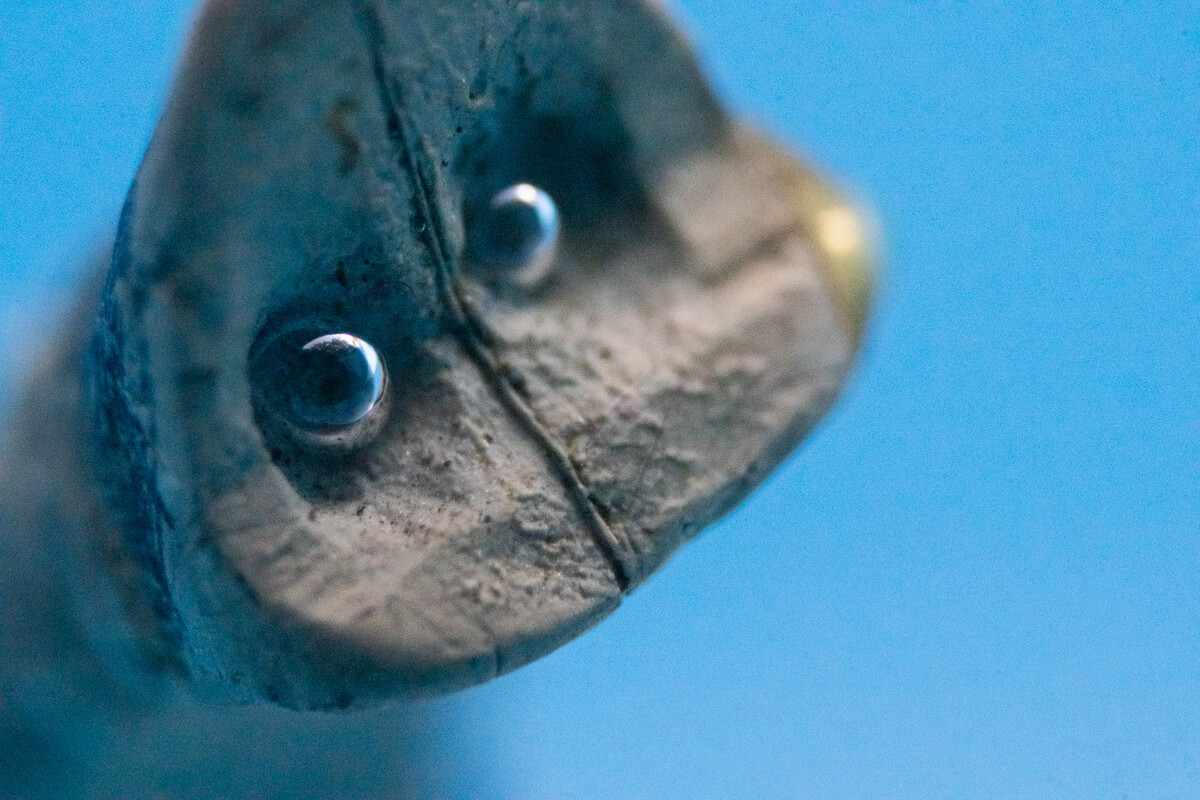
9 pointsSeacam updated their port chart, and they recommend the PVL65 extension for the 100mm macro. I can confirm that a 60mm would not work. By email, Harald also recommended the PVL65+20 for the TC1.4, and PVL65+30 for the TC2.0 combos. Given what I already had, I ended up using the PVLs 45+20 for the 100mm, 45+40 for the 100mm+1.4, and 40+35+20 for 100mm+2.0. Stacking 3 extensions isn't optimal, but it works. Now for the test - I had a chance to go to the pool and play with everything. My aim wasn't pixel peeping, but to get a feel for this new gear, confirm that everything works, and see approx what magnification level I can get. Gear: A1, Seacam housing, MIP80 with extensions as above, no strobe, SMC-1. Lighting was inconsistent due to clouds so I did what I could. Some editing to try to get a consistent look across photos. All pictures use the same settings for texture (0) clarity (+10) dehaze (0) sharpening (40) and noise reduction (L15 C50). All pictures uncropped, exported at 1920px. I'm hoping the pictures show up in order. For pictures 2-9 I aimed to achieve the maximum magnification I could. Picture 1: Subject is 10cm long and has 2 rhinophores (elephantophores?) and a snout (snoot?) which is about 3-4mm. Picture 2: 90mm, 1/160, f/10, ISO 3200 Picture 3: 90mm + SMC1, 1/160, f/10, ISO 3200 Picture 4: 100mm, 1/125, f/10, ISO 1600 (inadvertently used different settings) Picture 5: 100mm + SMC1, 1/160, f/10, ISO 3200 Picture 6: 100mm + 1.4x TC, 1/160, f/10, ISO 3200 Picture 7: 100mm + 1.4x TC + SMC1, 1/160, f/10, ISO 3200 Picture 8: 100mm + 2.0x TC, 1/160, f/10, ISO 3200 Picture 9: 100mm + 2.0x TC + SMC1, 1/250, f/10, ISO 6400 (had to use faster shutter speed and bump up the iso) My perspective: this lens is going to be very fun to shoot. It is definitely faster to focus than the 90mm macro. The 100mm is slightly bigger, unfortunately it makes it tricky to take both the camera+lens out of the housing in one go, it's better to unscrew the lens first through the housing front. A battery change on a boat is a riskier operation. I love that we can natively achieve 1.4 magnification without having to add the SMC1, while keeping a greater working distance than the 90+SMC1. I also love that I can still add the SMC-1 to get an even higher magnification, whether used just with the 100mm, or with the TCs as well. Adding the 1.4x TC gives a 140mm lens, which can achieve about the same magnification as 100mm+SMC1 but is much more comfortable to handle. The 1.4x TC is light and adds weight towards the center of the camera whereas the SMC1 is heavy and off balance (I'm aware the SMC3 helps with that). And adding the SMC-1 on top of it really expands the range to super super macro Adding the 2.0xTC gives a 200mm lens. Magnification is great but the 200mm seems really inconvenient underwater, to get the whole elephant in the frame I had to move back more than I wanted, and I can see this would be both harder to frame subjects, and to position strobes. Adding the SMC-1 gives an even higher magnification as well, but the working distance was very small and getting the shot was really hard - despite perfect conditions with static subject and photographer. I can't imagine this working too well underwater. With the TCs, the minimum aperture also increases from f/22 to f/31 or f/45 so that may occasionally be useful as well. So the 100mm + 1.4x TC + SMC-1 will be coming with me to Lembeh, 90mm will enjoy its retirement. I'll keep the 2.0 TC for specific targets on local dives, like Shaun the Sheep
 9 points
 -
9 pointsIllustrated review of shooting the Sony 100mm in Lembeh is up on YouTube:9 points
-
8 pointsThe WaterPixels Shop is now open! You can now grab WaterPixels merch at https://waterpixels.shop. All profits go toward keeping the site online and supporting our hosting costs. One of our major goals is to keep WaterPixels free for everyone, and picking up something from the shop — or even donating any amount — truly helps us make that possible. As before Items are printed in your country or region. We do not have tax or vat numbers so we just pay them when we place the order. This is picked up in the shop under WPX fees. Previously we had to manually make the order and then update the fees and send an update back to the user with the final amount to pay. We are now fully automated to calculate this and get your order in immediately. Much easier for everyone. Also while on the shop site, before check out, you can hit the sign in with WaterPixels button and it will bounce you to the forums and back to the shop. no need to create an extra account. Purchases can also be made as guest. If you sign in with WaterPixels, you will get a supporter badge. If there is a variation or product you don't see and want let me know and I'll see about adding. Thanks for supporting our volunteer‑run community!8 points
-
8 points
-
8 pointsMagdalena Bay really paid off. We splashed on several mother/baby pairs like this a few times over the week. Running the customs scam gauntlet was a risk but worth the journey.
.jpg.ffc0d3b5b974888f5bbe29b5e1c07cda.jpg) 8 points
8 points -
7 pointsWith the Z8 two of the best options are: Nikon f-mount 8-15mm fisheye with 140mm dome Nikon z-mount 24-50mm with WWL-C wet port You will get a lot of use from these two setups for many years to come. I'd argue these two might be all the wide-angle options you need. I recently used the 8-15mm for point blank shots of Humpbacks:
.jpg.0c5d54615921d9545b5dc85582327f97.jpg) 7 points
7 points -
I had the chance to shoot it in Lembeh, last week, while the Backscatter boys were in town. Matthew and I will surely chat about it when I am back.7 points
-
6 points
-
6 points
-
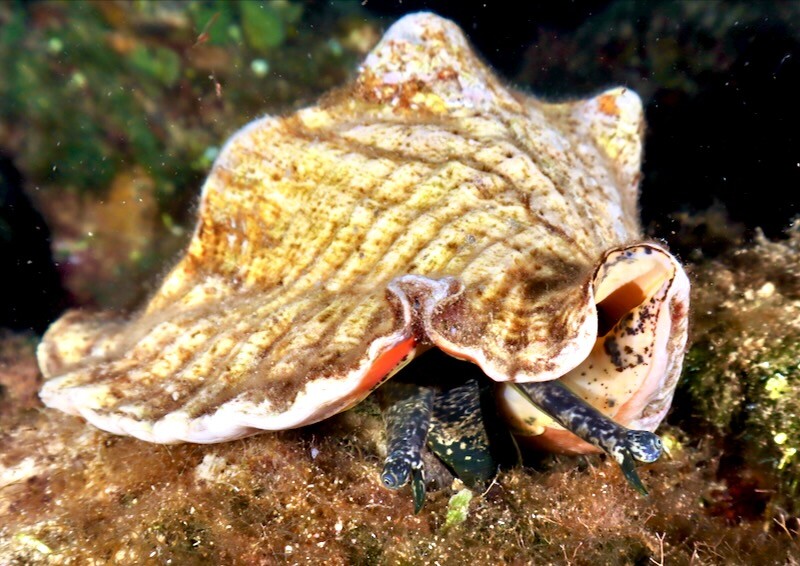
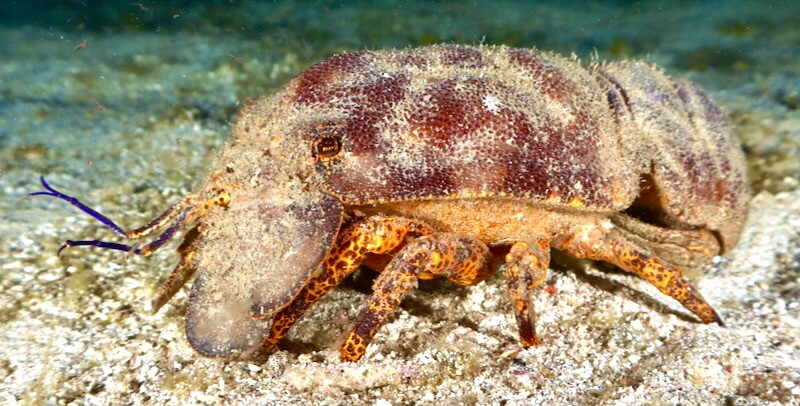
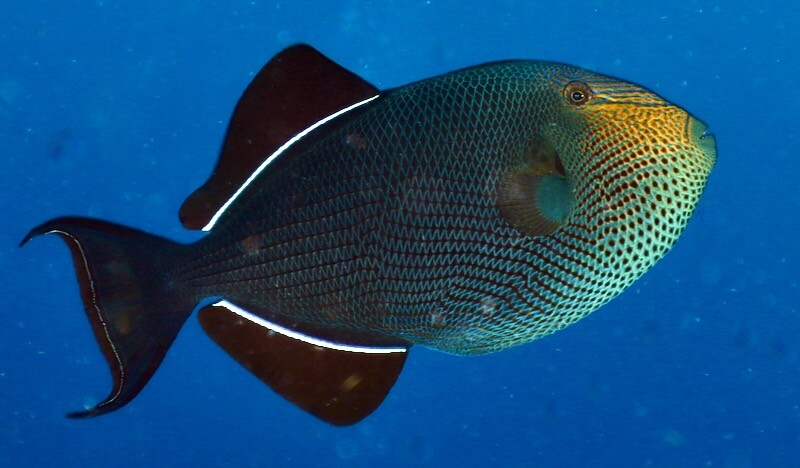
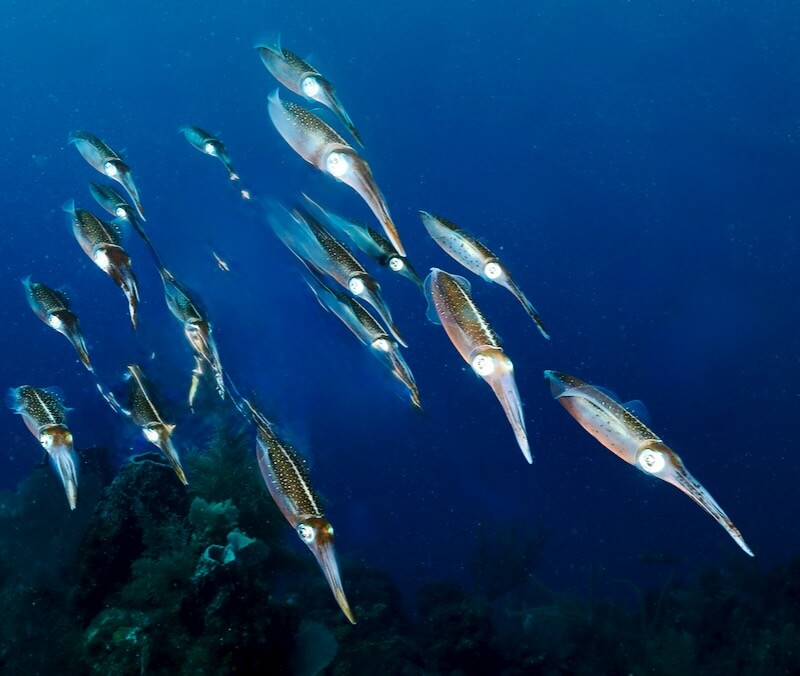
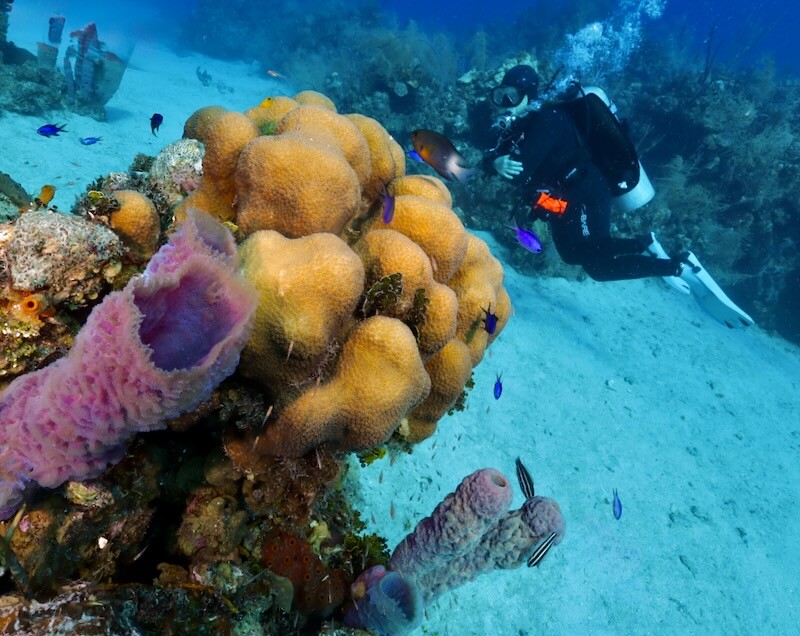
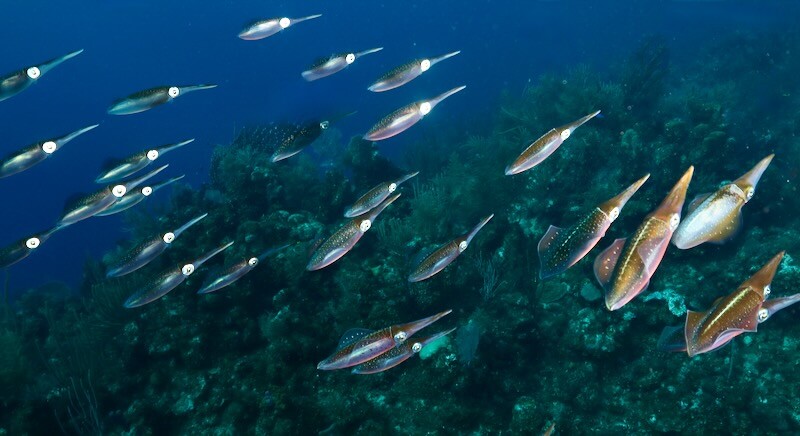
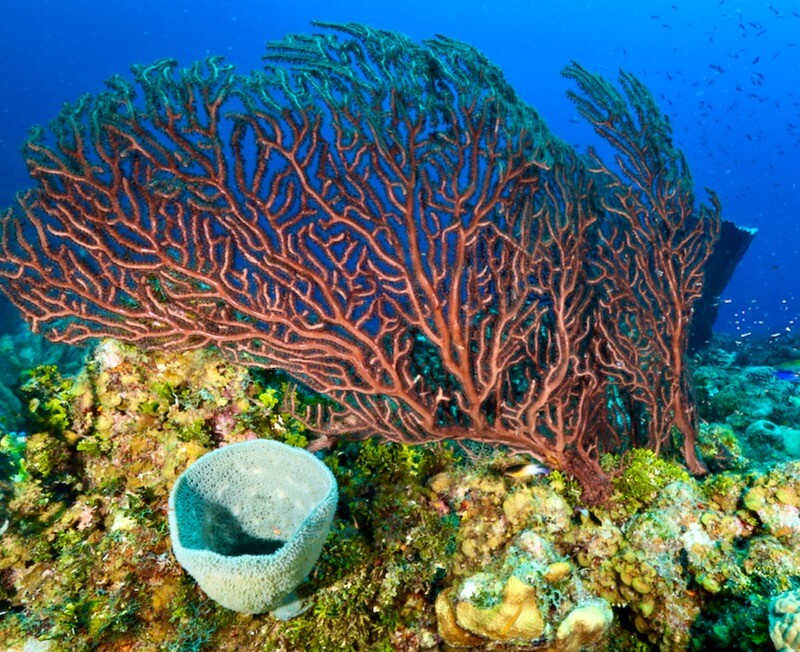
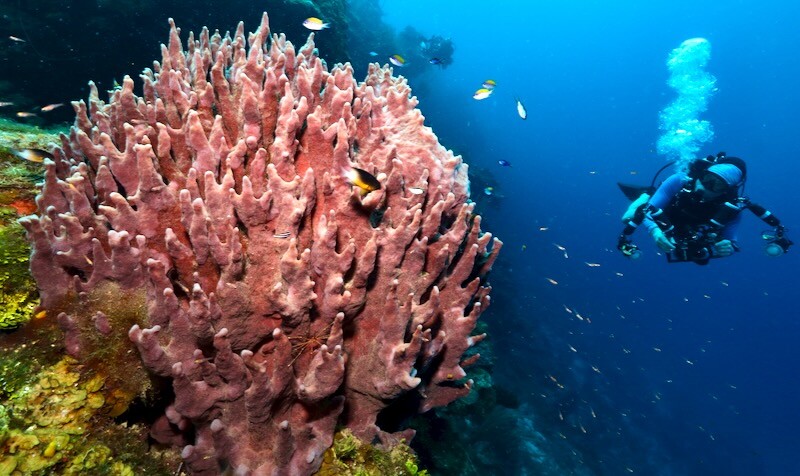
6 pointsMy dive buddy Nemrod and I dived Roatan in October and despite all of the Caribbean being "less lush and pristine" I still saw and photographed plenty of life...... This year I've been diving for 55 years and recall when the Caribbean was pristine. I think one has to be realistic on a planet trying to support 8 Billion people that it's not going to be the same as 10-20-30+ years ago. Many divers just starting the last couple decades may not have the means to go to Asia, the Red Sea, Maldives, Australia, Philippines, Indonesia or Maldives which all can be "less than people recall back in the day". My 11 year old grandson rolls his eyes telling me; "Grandpa, no one wants another story from back in the day!" LOL...... The Caribbean is still worth diving and fun to photograph underwater. :) Just one old guy's opinion! David Haas
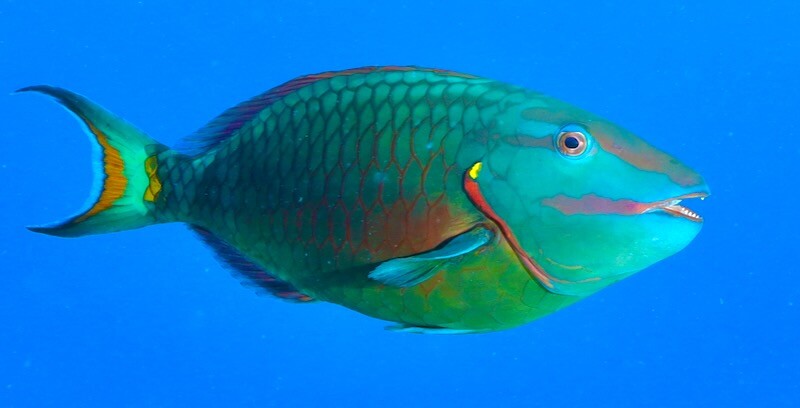
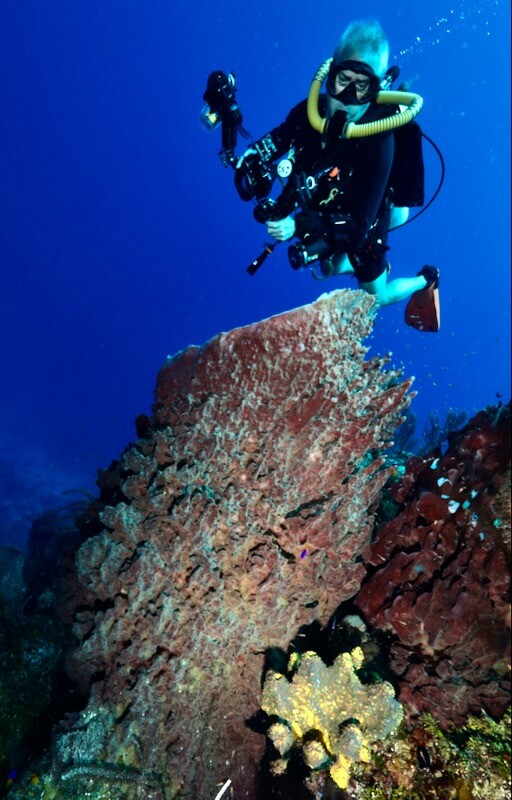
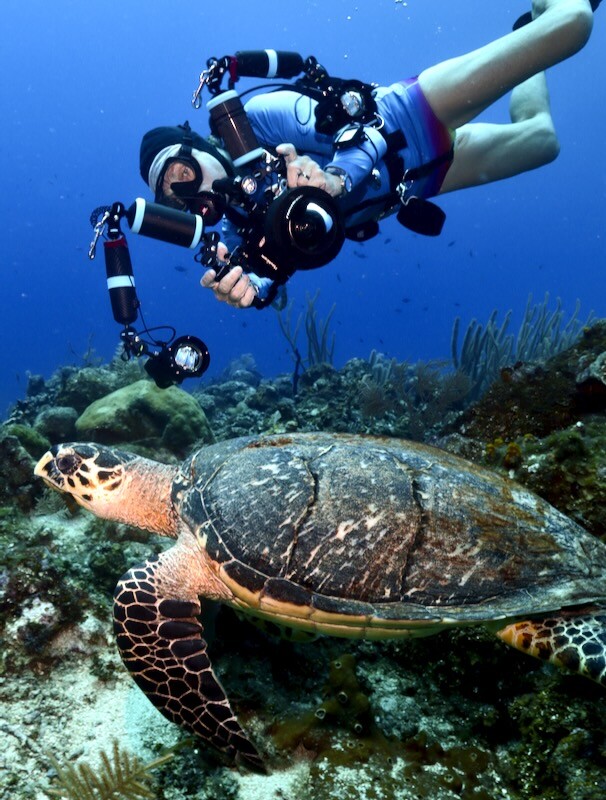
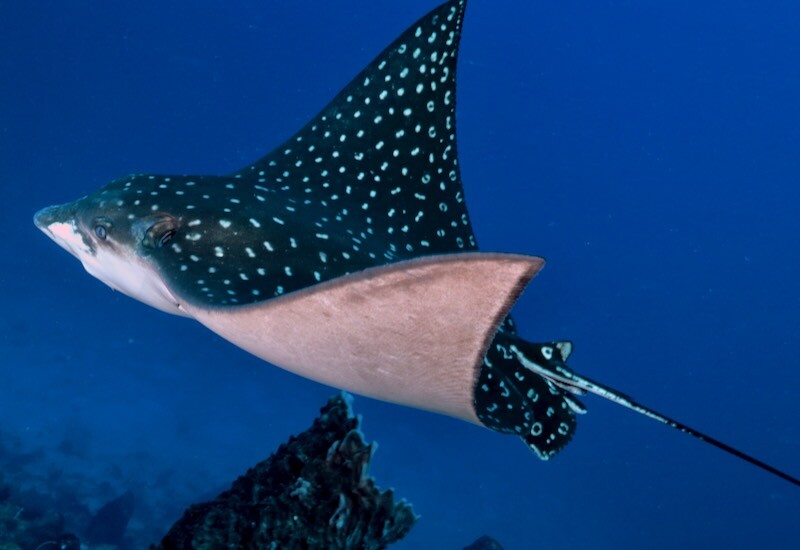
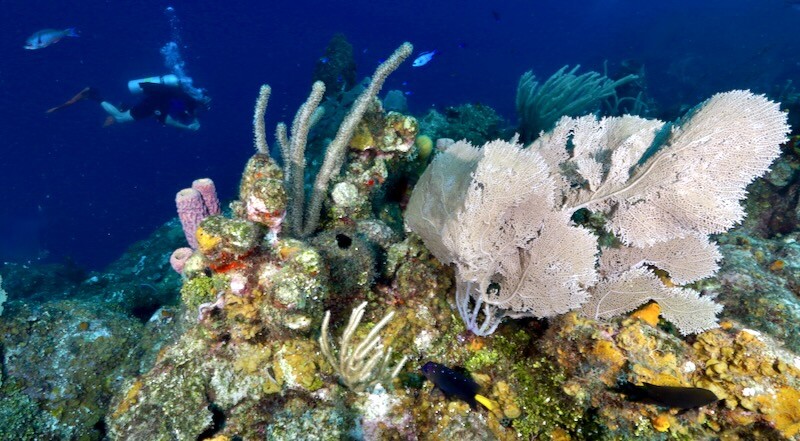
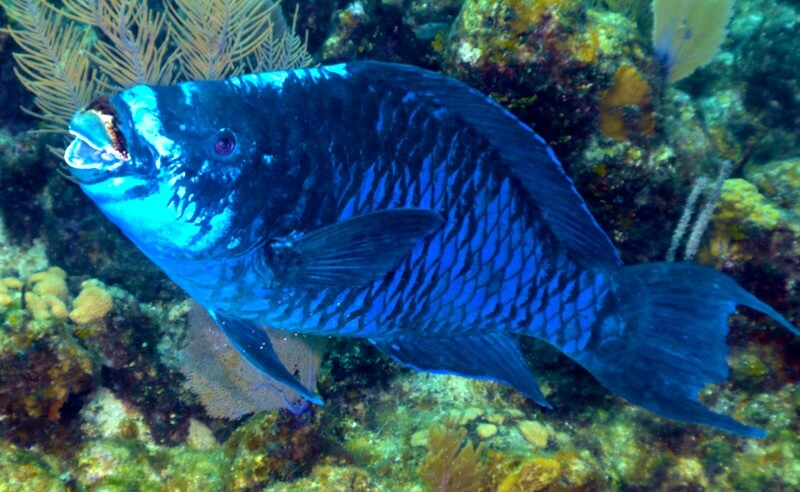
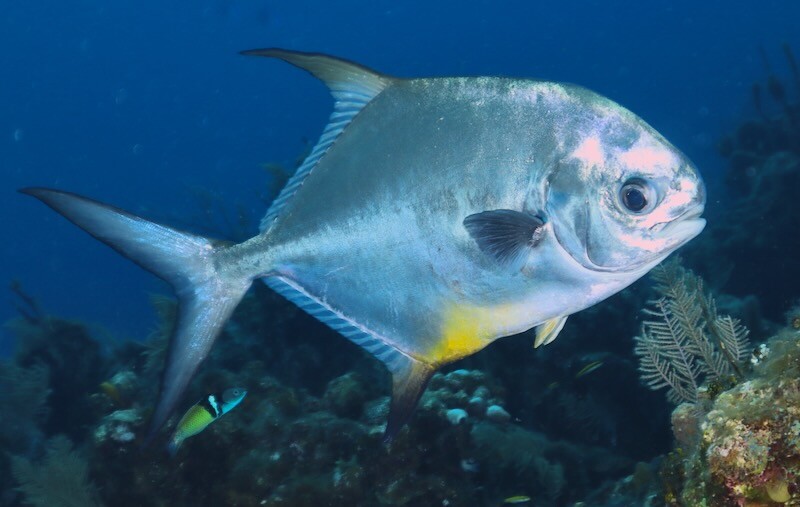
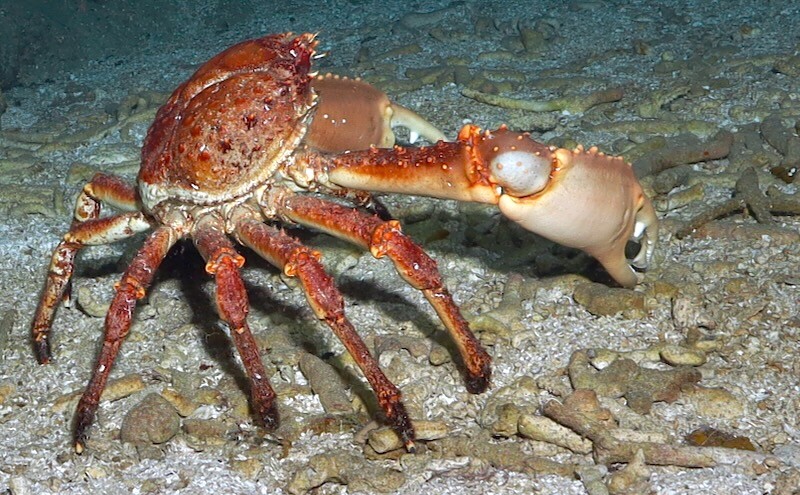
 6 points
 -
6 points
-
5 points
-
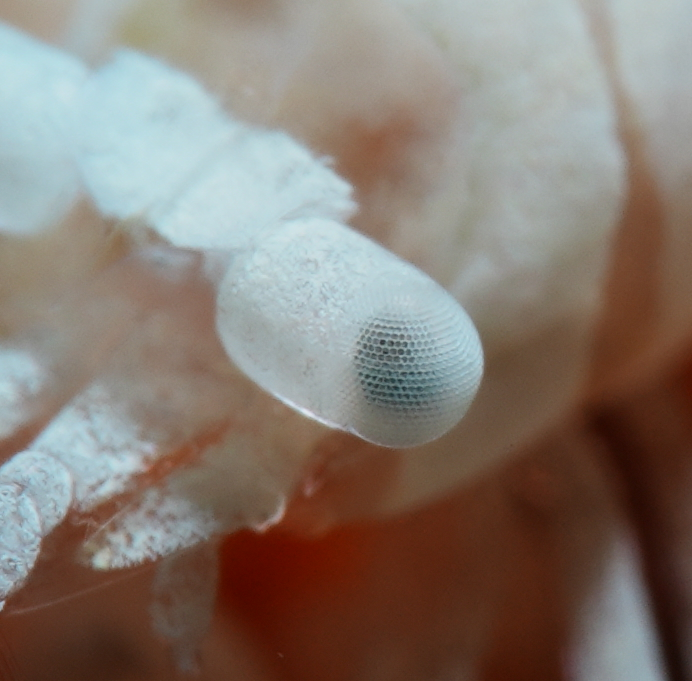
5 pointsI was using TC1.4 and new 100mm macro in my last dive trip, for me I'm really satisfied witht the image quality, here is a corp of central part for your reference. This is a tiny Anker's Whip Coral Shrimp about 6-7mm in length.
 5 points
 -
5 points
-
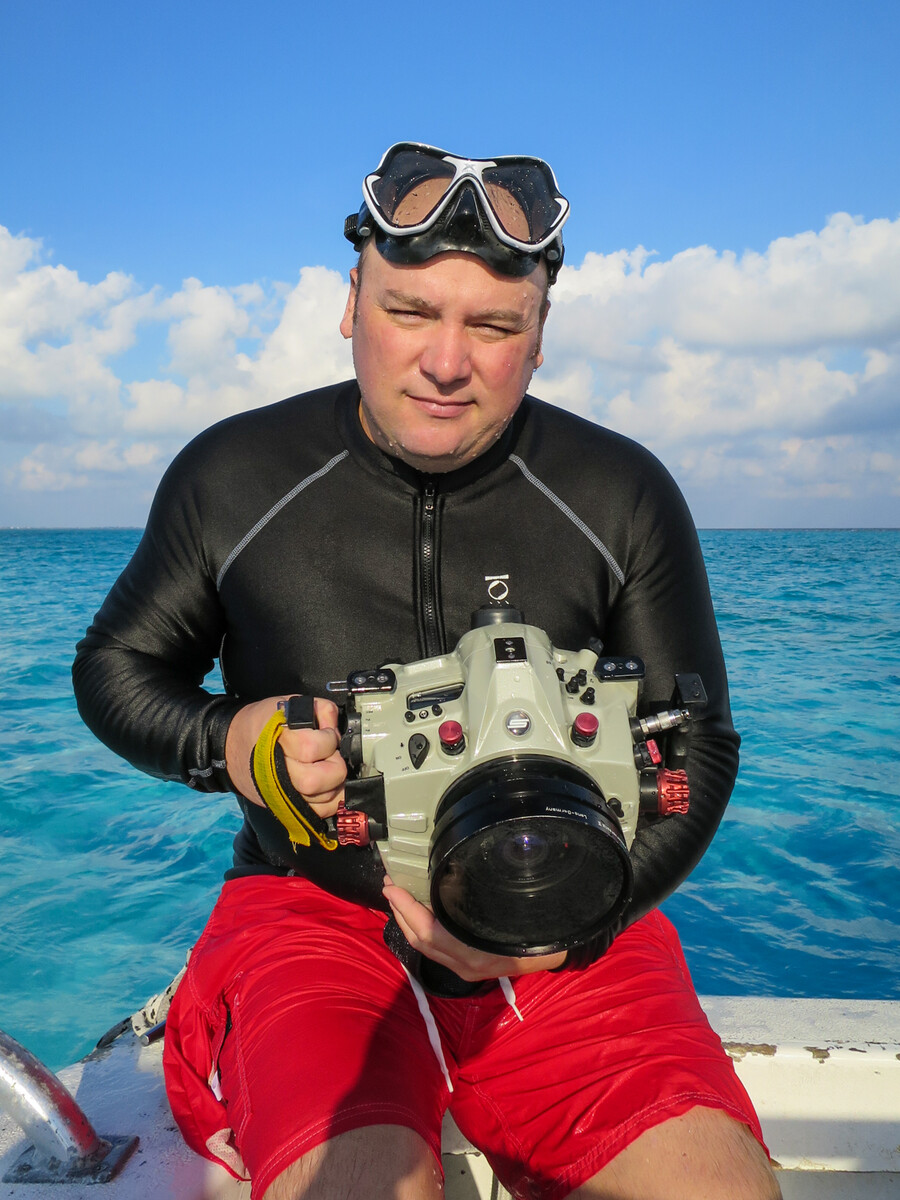
5 pointsI am excited to see Seacam exploring this idea. And keen to see more sample images - as the one test shot on their website looks both distorted and with very poor corner performance. Which I find somewhat surprising as I found this technology gave good optical performance (up to a 20mm wide angle on full frame). I shot with an Ivanoff style port for several years, and was very happy with its performance, but have not bothered adapting it to my current housing yet - and have been using the smaller Nikonos 15mm to fill this niche instead. Here it is on my Nikon D5 in 2015. I used the optic quite a lot for a couple of years and took many well known images with it. Such as this photo from the Wildlife Photographer of the Year: Wildlife Photographer of the YearRig diver | Wildlife Photographer of the Year | Natural...Diving beneath the oil rig, Alex had to anticipate when the cormorants would burst through the fish shoal. The birds hide behind the legs of the rig after they plunge into the dark waters, gaining the And also this photo, which will be seen widely in the coming months as it is the main promotional image for the forthcoming BBC Blue Planet 3 series: Could you be a part of Blue Planet III | BBC EarthWe are currently on the lookout for captivating and unusual animal behaviours from the marine world, and would love your help. Some memorable BBC nature sequences began as observations by wildlife entAs well as others. Rebikoff was the one to claim extreme depth of field for this lens (see figure 6.13 in Mertens 1969) but I never felt this was especially evident in my pictures. This is shot with the port - and shows minimal depth of field can be achieved: https://www.amustard.com/library/fifteen/CAY15_am-101945.jpg For me the downside of the system is that the look was too rectilinear! Topside photographers always think that fisheye distortion is something that we'd want to avoid underwater - but actually it is the barrel distortion of fisheye lenses than makes many underwater wide angle pictures immersive. Non-fisheye wide angle images often feel stand-off-ish. So carrying the weight of this port around for the few wide angle shots I don't want to have a fisheye look, is the main reason I'm not currently using mine. But overall I am excited to see this option being explored and developed. If it works it would be easy to adapt to any housing. I look forward to some sample images that show decent corner performance on 16mm wide angle lenses. Mine gave exceptional image quality with my 20mm lens - but the corner performance was not great when I used my 16-35mm with it.
 5 points
 -
5 points
-
4 pointsI llearned from a Nauticam servicer that the most important is to push the buttons while in fresh water after the dive. And leave the housing in the fresh water for a while afterwards. Ass you press you see a bubble comming out from under the button indicating that fresh water flows in. Otherwise salt will accumulate under the button. Also turn the dials. As long as the buttons and dials work smoothly, there is no problem.4 points
-
4 pointsI think it is now more important that ever to sign one's works to "humanify" them. Hence a watermark. This can be forged as well but if there is an authorship question the author can be contacted to verify. It is only a matter of time before AI starts adding imperfections - a speck of backscatter here and there for example. Easy to ID species will be less problematic for AI compared to others. I invite people to look at dichotomous keys to see the types of minutia that may be needed for others. Some require looking inside as well as I recall a fish key I used in a class that showed up during an examination that required knowing the peritoneum color.4 points
-
4 pointsI don't even believe my own mother anymore 😁 It's a real shame that for any video, we are now forced to ask ourselves if it's AI. And fundamentally, if we're wrong about a video of dolphins and whales, who gives a damn! But now I see skepticism everywhere. I've read absurd discussions regarding images of war, from Palestine to Ukraine, about things we shouldn't have the slightest doubt about. Returning to the whale, at the 27-second mark, the fin on the left of the screen grows disproportionately large. I don't know if it was too far away and in shadow before, but it's suspicious. P.S. I was given a temporary Google Gemini Pro account, and a few weeks ago, just for fun, I tried to generate a small piece of video. Crazy. Essentially, I gave it the last frame of one clip I had and the first frame of another clip, and I asked to construct a particular scene in the middle t The result was "almost" perfect. It connected perfectly because it started and ended with my own frames.I should have tried with different prompts, but then I got bored and quit. Just six months ago, this wasn't remotely possible.4 points
-
4 pointsHello, my name is Kip. I am a 72 year old diver that has recently gotten back into UW photography. I have been diving for over 30 years. I currently shoot with OM System OM-1 Mk2, but I am also adding Sony to my kit. I look forward to joining the community and getting advice to improve my skills.4 points
-
Folks, We all get our information online. For our passion, YouTube has certainly become—for better or worse—one of the main sources, and over the years, each of us has their own reference channels. However, however... I would like to avoid exchanges of opinion about what is best turning into a competition of "who has the last link." It would be great if we discussed things through our own personal experiences, and not through videos with sensationalistic titles made by people who film their dirty laundry in their bedrooms. In short, I would like our forum to be a different place. A place for the exchange of first hand informations and not an echo chamber for other people's opinions. Ciao4 points
-
4 pointsI've never had a housing serviced and a couple have done close to 1000 dives over a period of several years. If it works smoothly and. for example, they are not frequently in sandy environments, I'd suggest leaving well alone...... The only thing that could be serviced on my viewfinder (a Subal) would be the o-rings that mate with the housing. Again, unless they show any sign of wear, I would't change them.4 points
-
4 pointsYou can buy a 3d printer for what Nauticam is charging for Zoom Gears these days! If you have access to a printer (say your local library or a friend), you can make one for nothing. If you don't have a printer, let me know and I'd be happy to send you a 24-50z zoom gear. https://makerworld.com/en/models/612361-nauticam-zoom-gear-for-nikon-24-50mm-z-mount-lens#profileId-18206834 points
-
4 points
-
4 pointsVery neat ! I was interested in a loupedeck but the eye watering price pushed me to go open source on this one. I bought a MIDI controller and used Midi2LR to program it! works very neatly :) PetaPixelGoing Open Source to Make Your Own Loupedeck AlternativeThere is an extremely talented landscape photographer called Thomas Heaton whose YouTube videos I find very instructive and entertaining. Recently he4 points
-
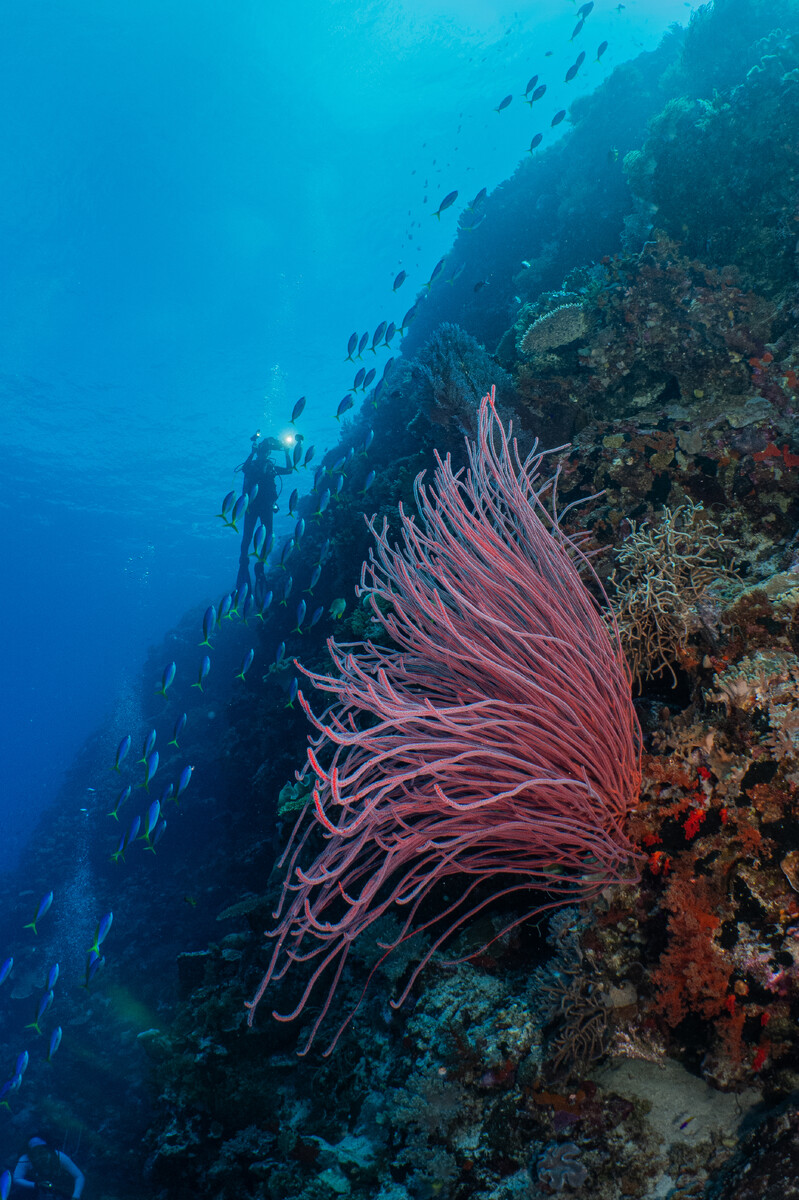
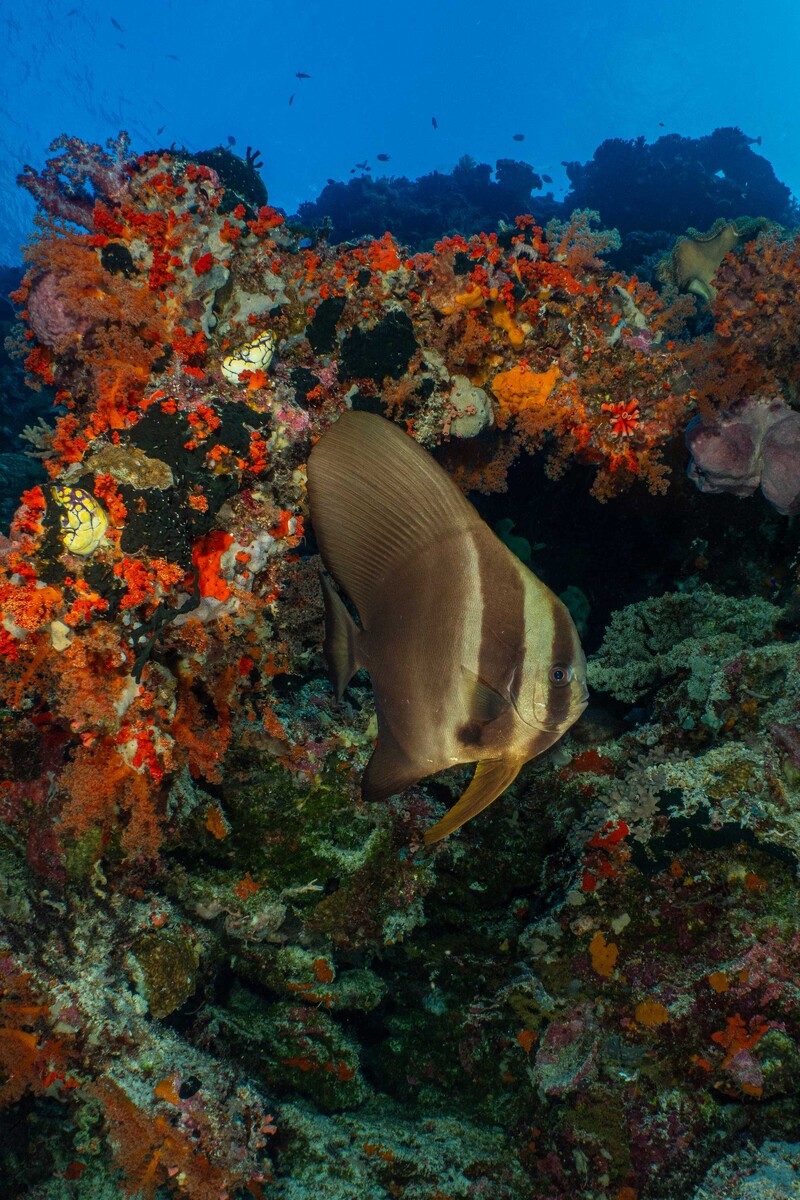
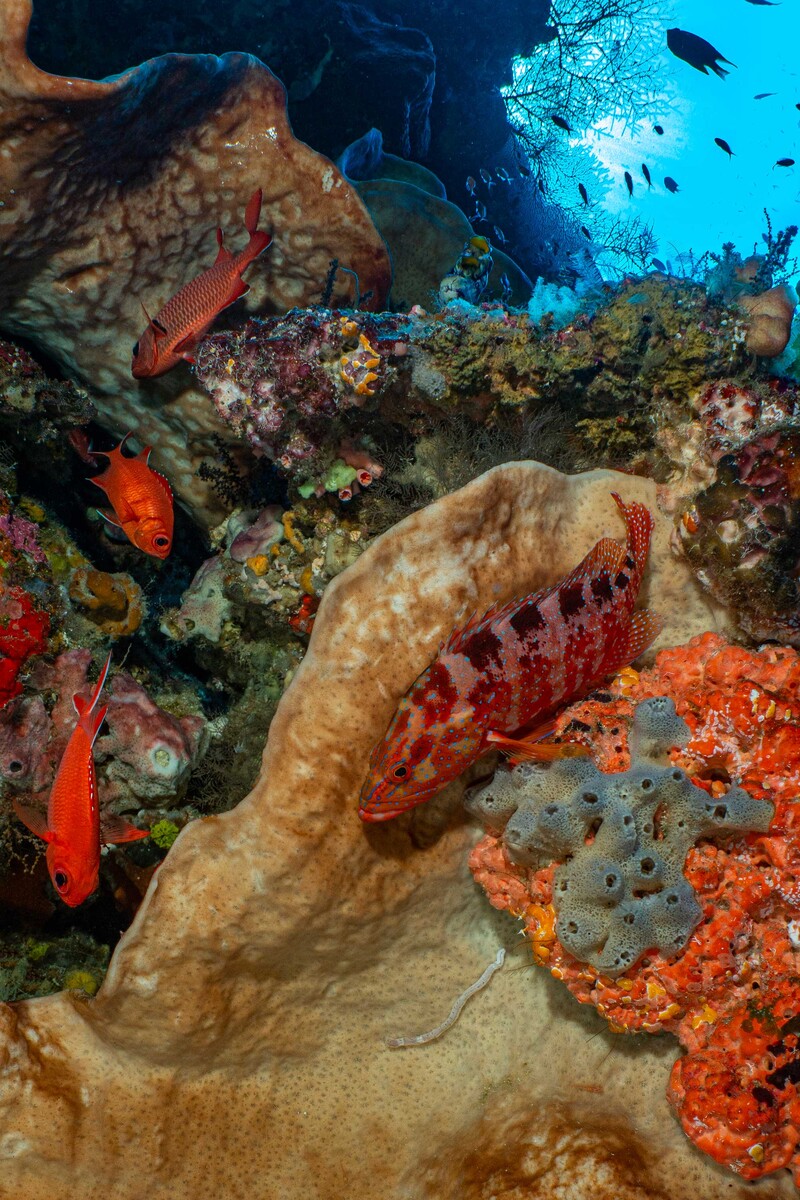
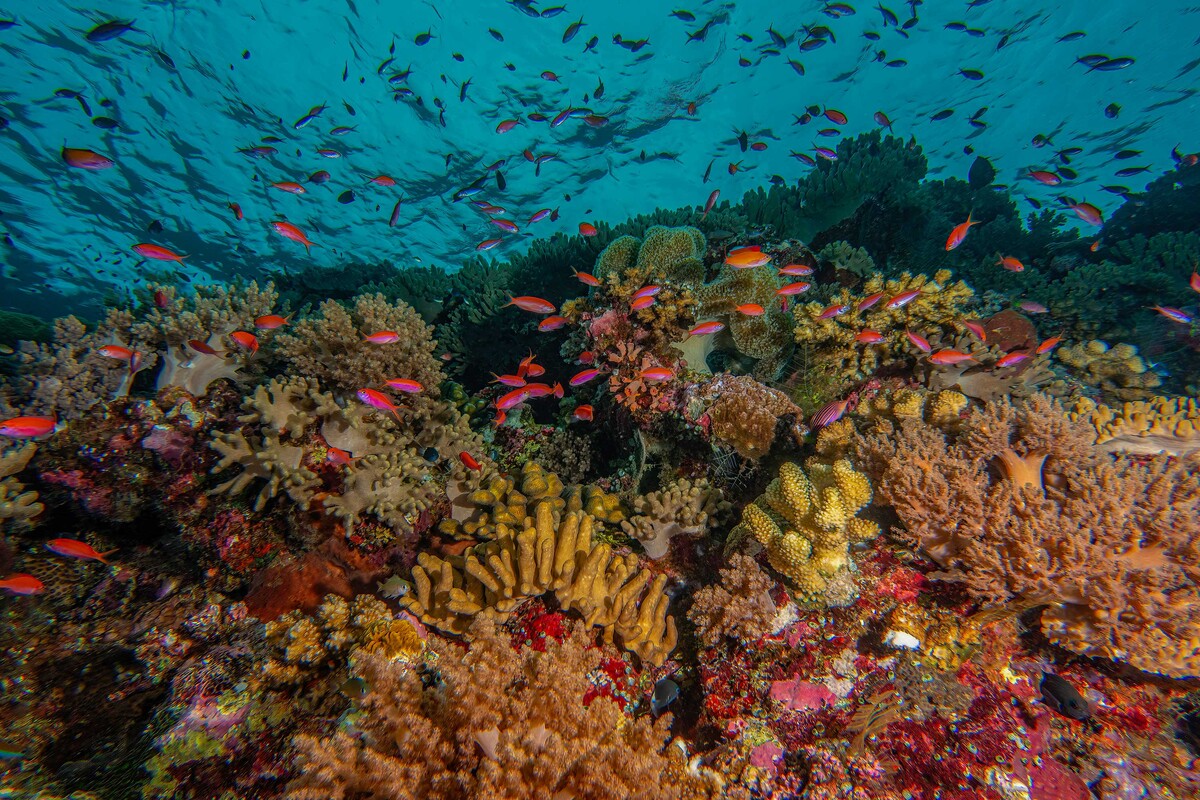
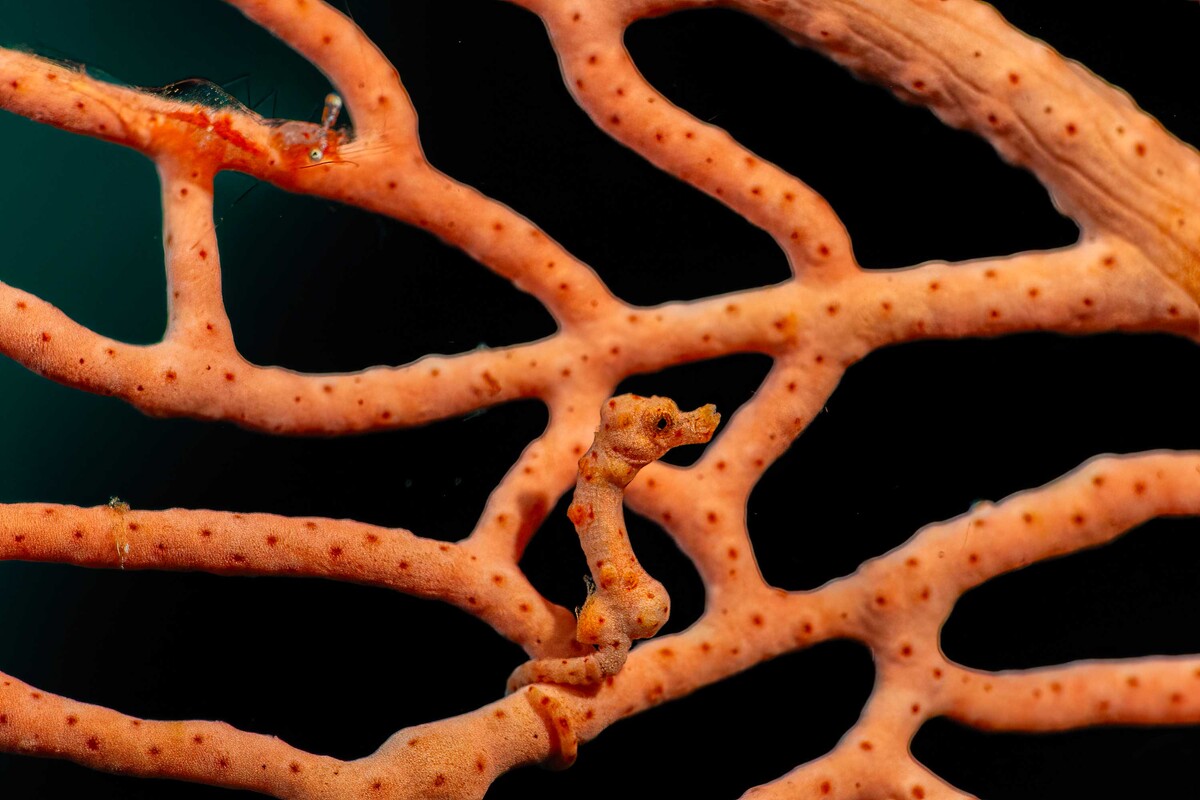
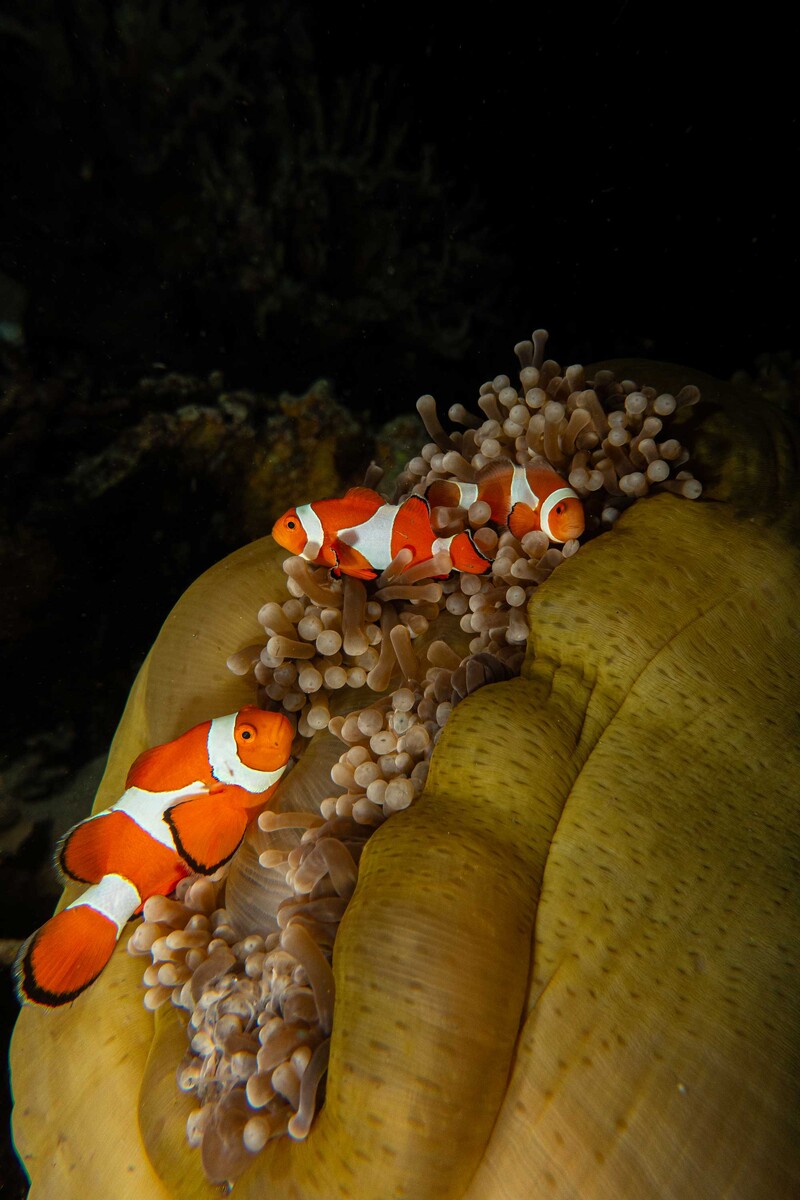
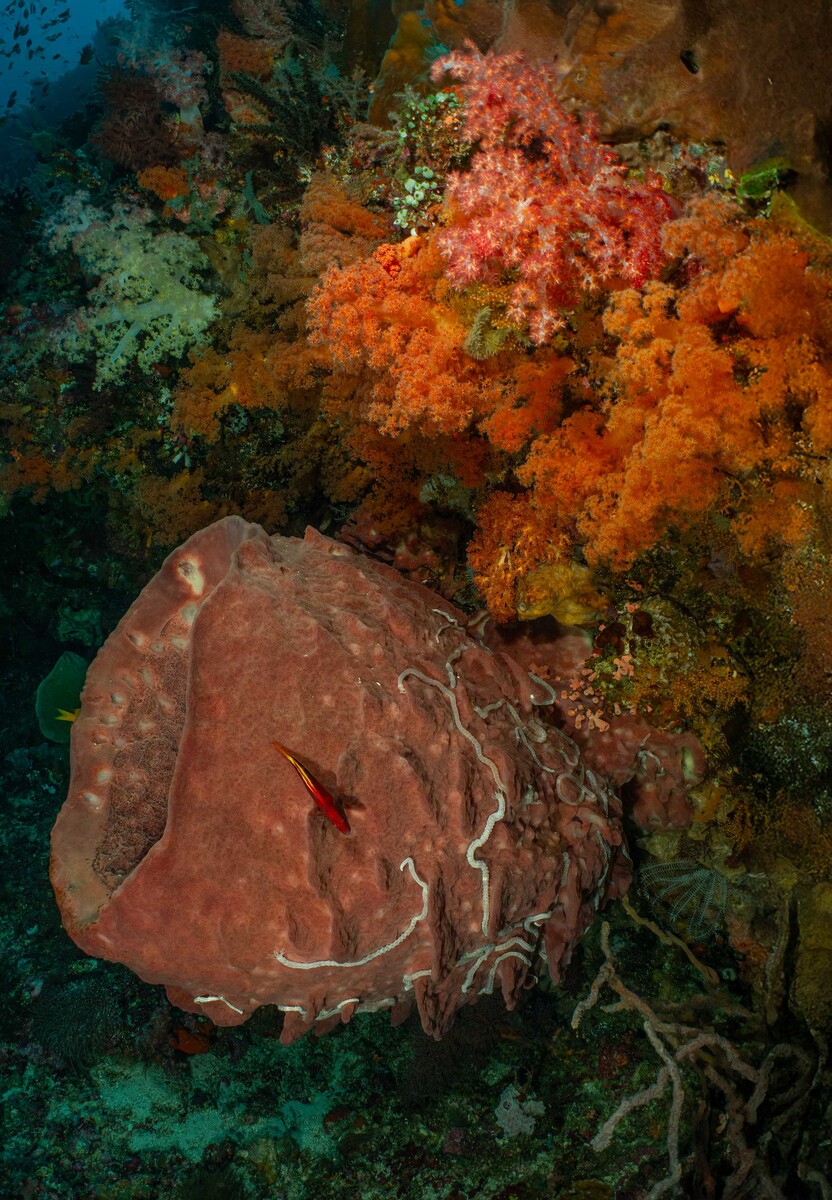
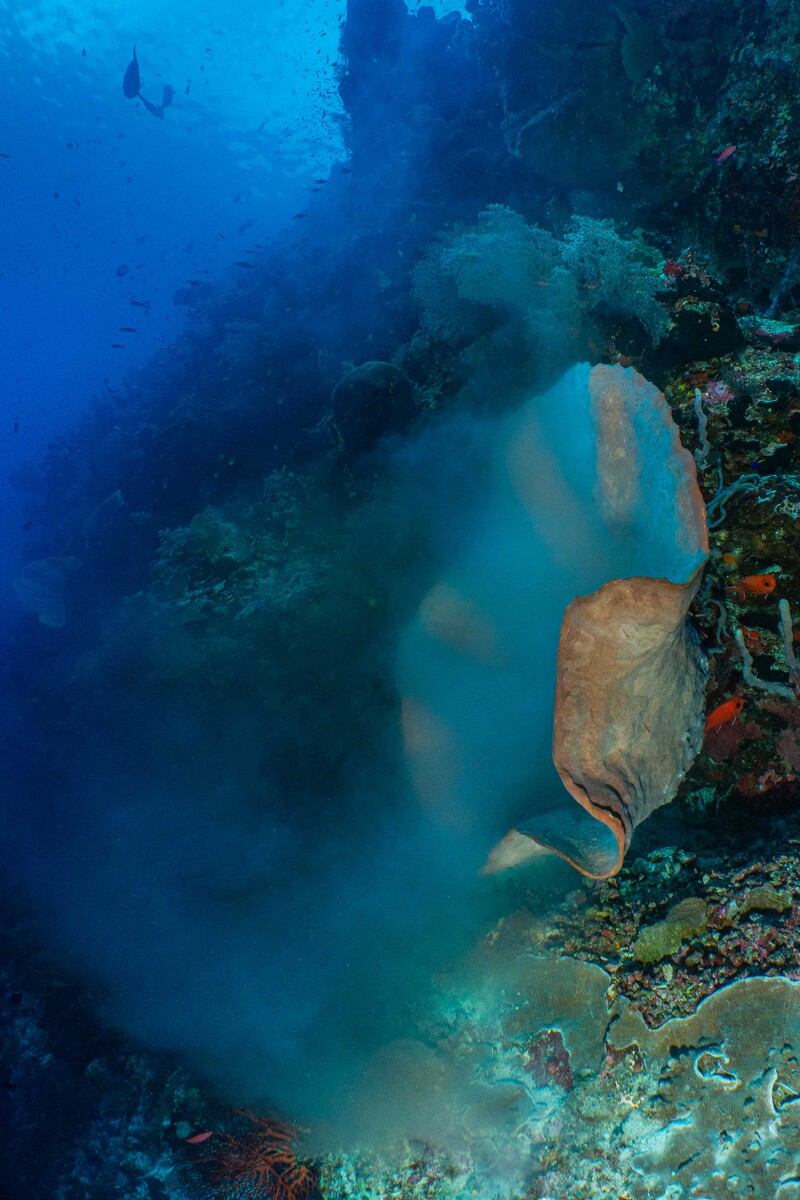
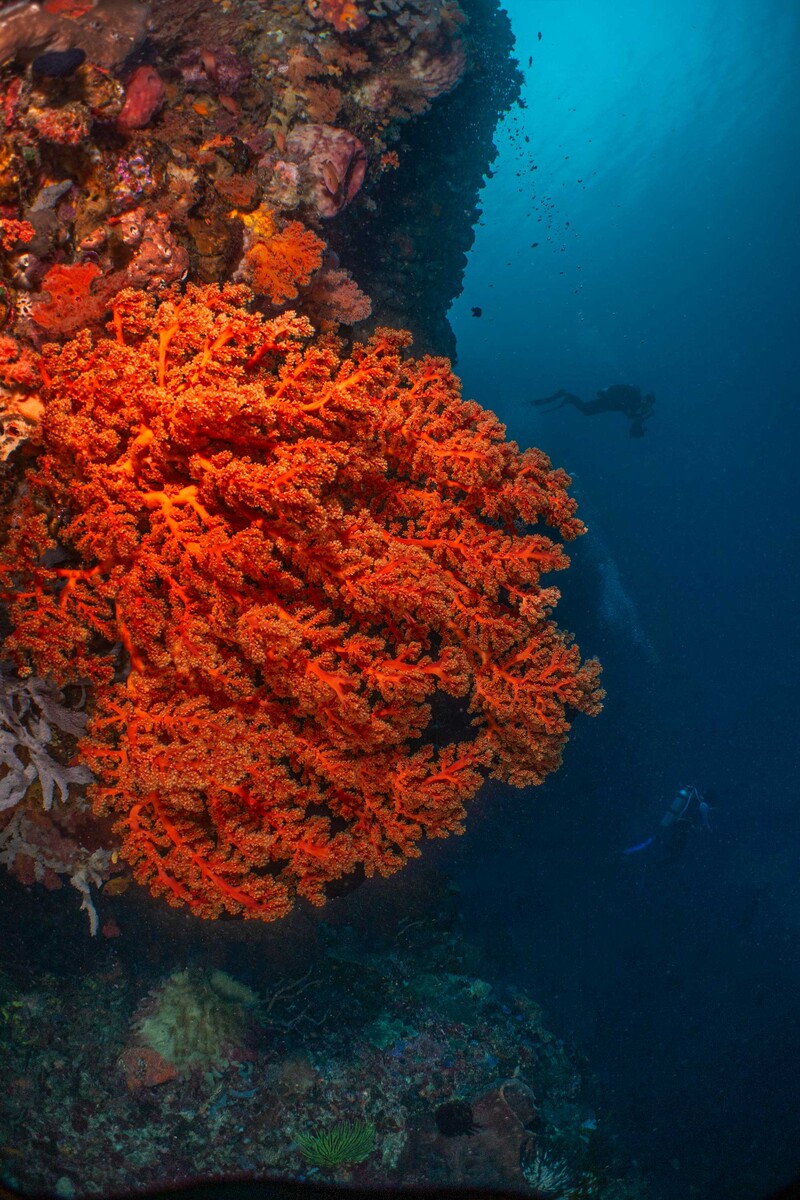
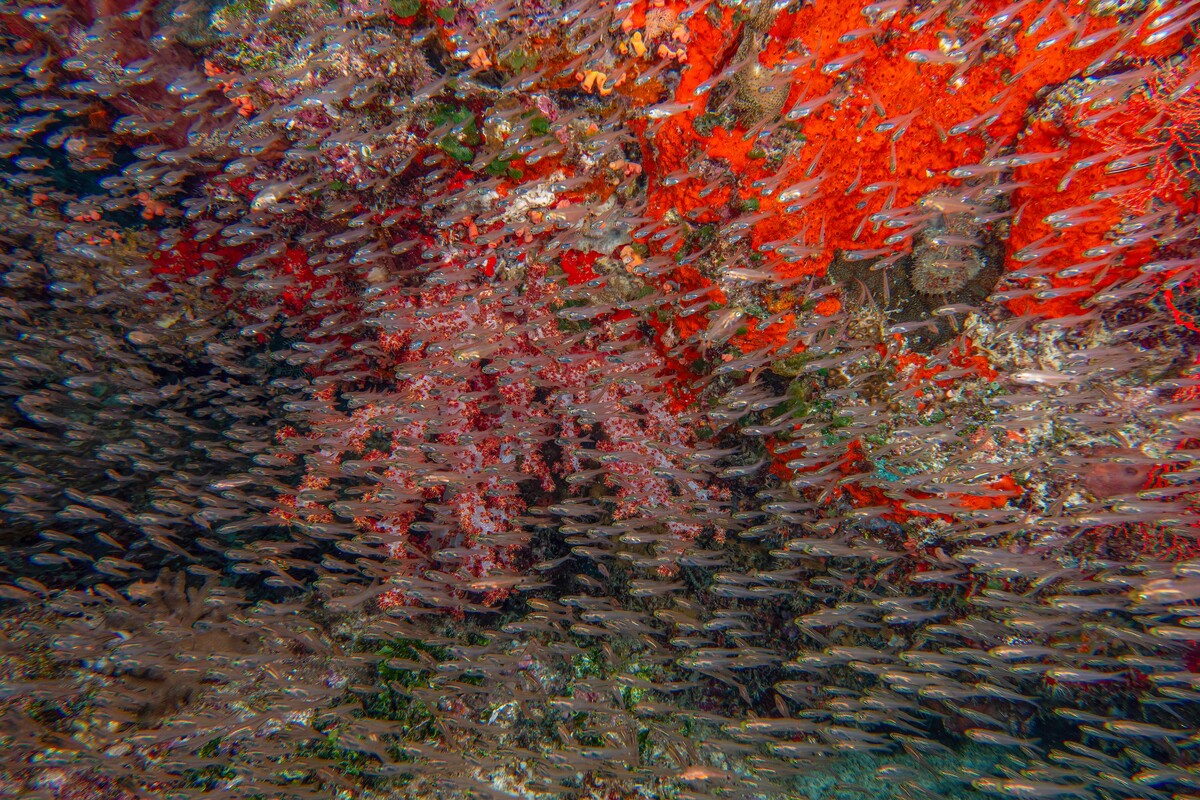
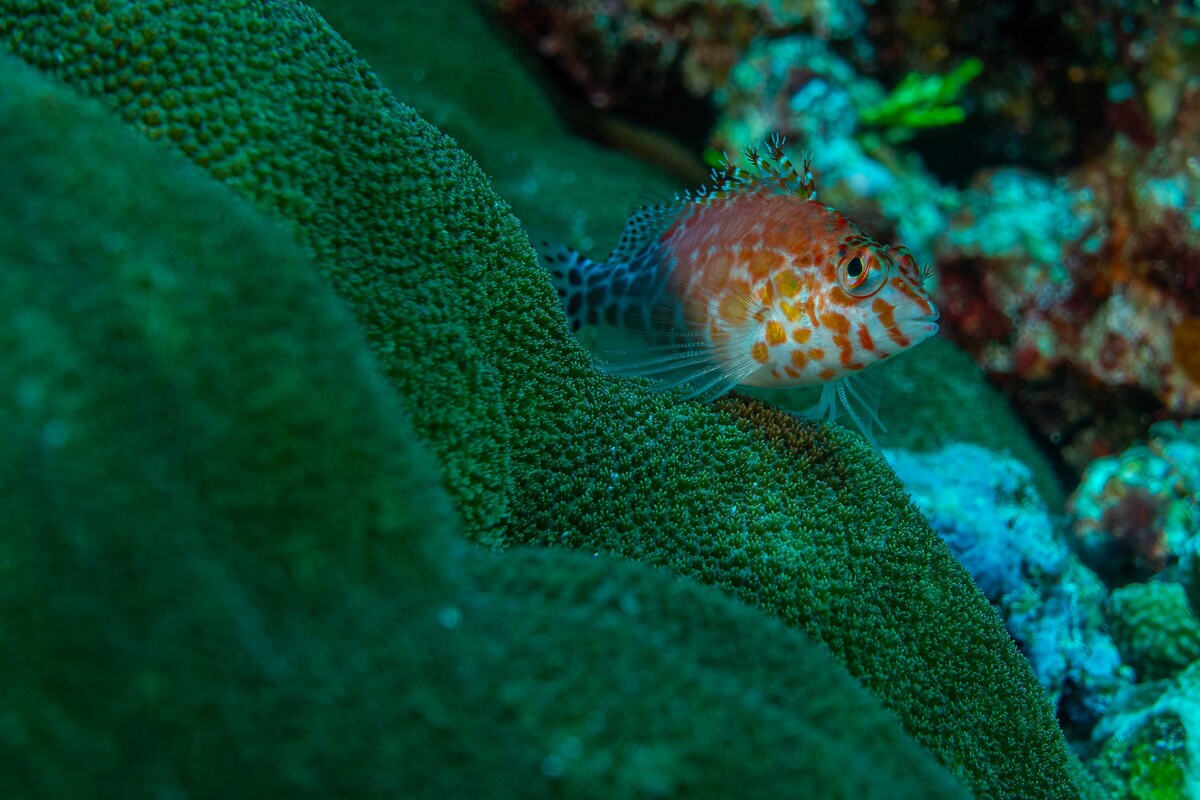
Great trip on the Damai II through the Forgotten Islands. Trip report, eventually. Few pics and one bit of amazing video shot by Ollie Clarke while we were in transit: https://www.ollieclarkephotography.com Pygmy Blue Whale.m4v
 4 points
 -
That photo shows my camera before a blackwater dive, but the strobes are not in their shooting position - they are in their carry to the boat position! I generally shoot BW with the strobes pushed out wider than this, just in front of the port (as shown) and aimed in at around 45 degrees (again pretty much as shown). Ideally translucent subjects show up best with the light coming through them from behind, whereas more solid subjects show up better with more front lighting. This position is a good compromise for both (as a starting point). When shooting the MFO-3 as a main lens on BW, yes, I would have the strobes a little further forward still. Hope this helps,4 points
-
4 pointsHi Architeuthis, Sorry for any troubles you have experienced with your HF-1 strobes. We at Backscatter always want you to have the best equipment and have it function reliably when you need it. Hopefully these issues did not cause too much frustration while on your trip. We are happy to evaluate the strobe(s) for you at our service center. I recommend that you reach out directly to us via the service email ([email protected]) and we can coordinate the process and even get you a prepaid return shipping label for a warranty evaluation if applicable. Any additional information as to the behavior of the faulty unit(s) and the conditions in which the failure(s) occurred would be helpful and should be communicated via that service email address. One way or another we will be sure to get this sorted for you and get you shooting again with these strobes as soon as possible. Sevag Mehterian, Ph.D. Service Manager4 points
-
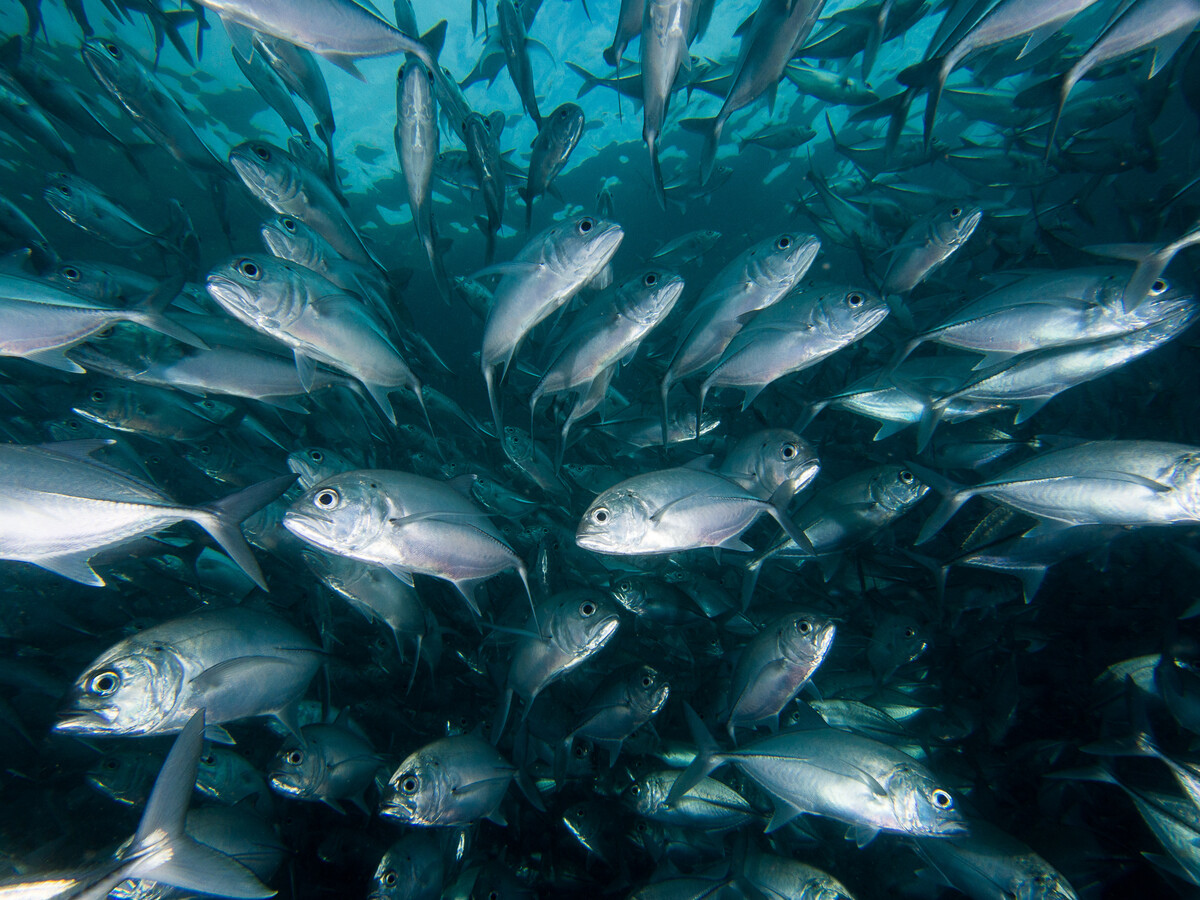
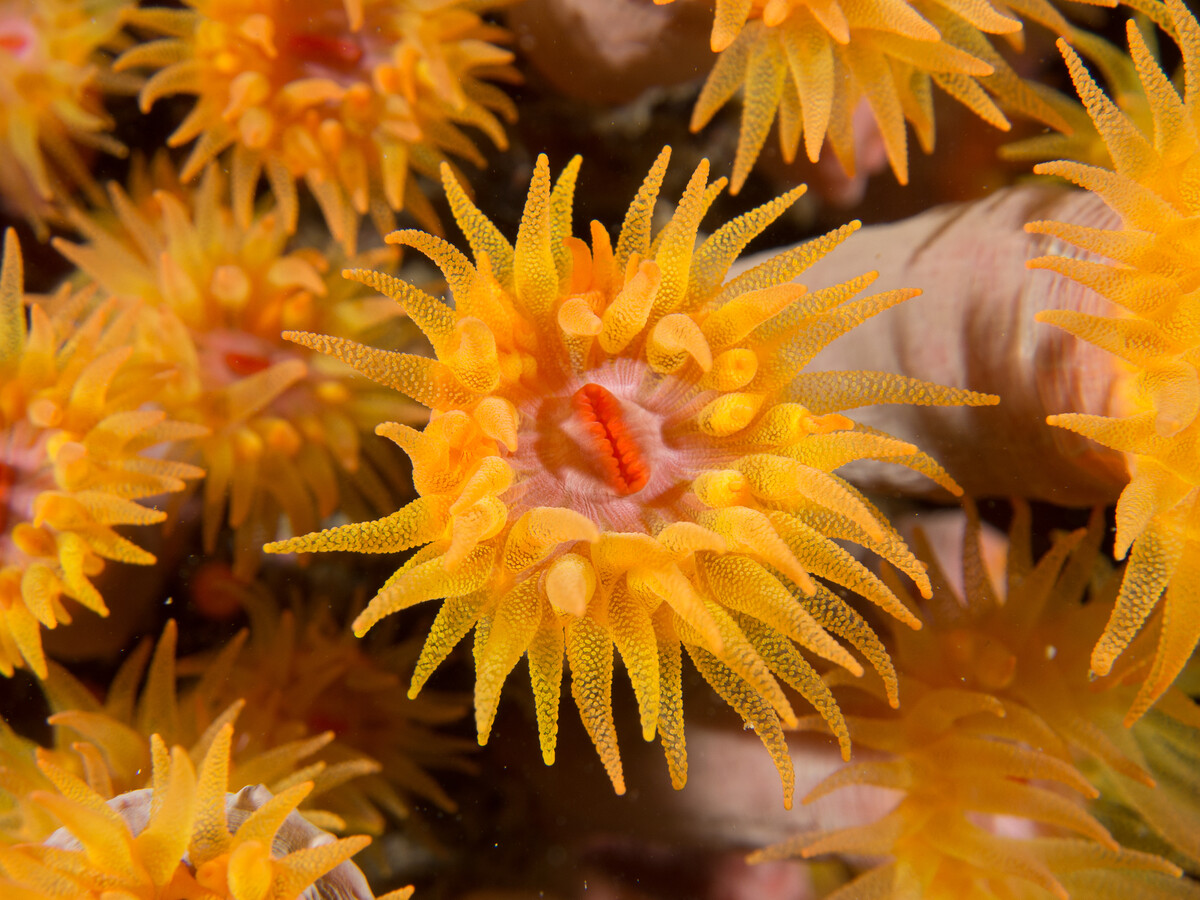
If I was happy with a compact camera and two wet lenses, I doubt I’d be keen to move to a much larger system with double the parts and consequent packing, setup, and cleaning. But the potential increase in IQ might be the selling point. (Full disclosure- I use m4/3 gear for that reason plus travel-ability) But why go with three lenses with overlapping range? If you’re willing to consider Nauticam instead of AOI, there is a port and gear for the 12-50mm lens that allows all three ranges. Chris is right that it’s not the sharpest especially compared to the 60mm, and the gear is fiddly to set up, but that combo will outshine the TG-5. I was happy with it for several years and produced some nice images. It turns up second hand once in a while too. Two quick examples below, both without wet lenses (these are jpeg so not full resolution)
 4 points
 -
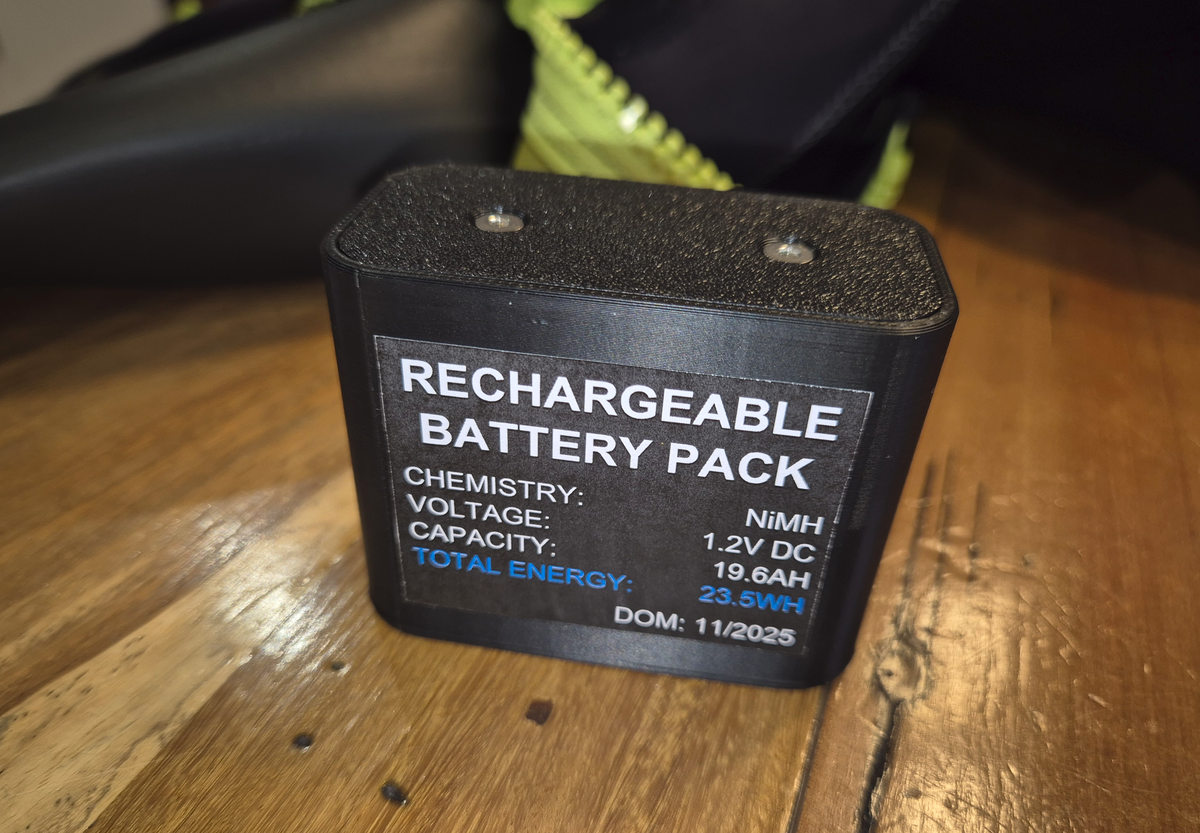
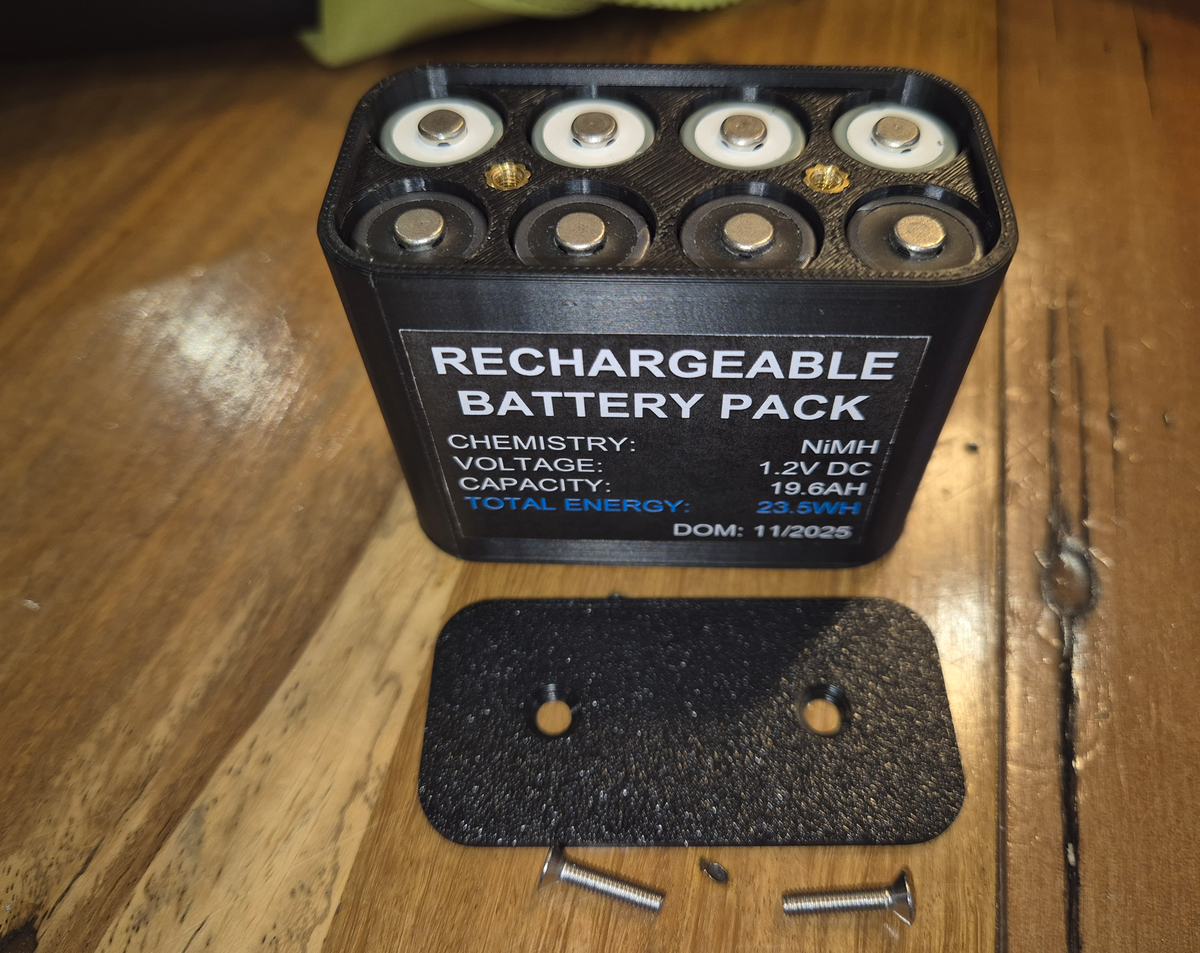
4 pointsPrototype for 8xAA cells to create a single "Rechargeable Battery Pack". Proper stickers on order, but printed some paper ones for feedback here.

 4 points
 -
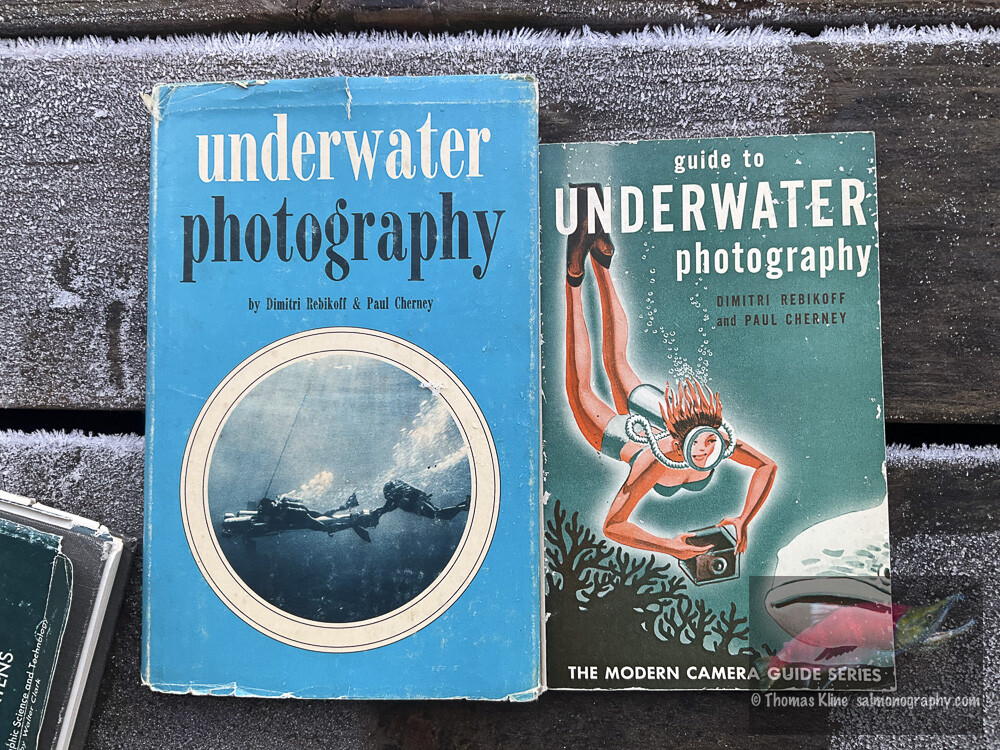
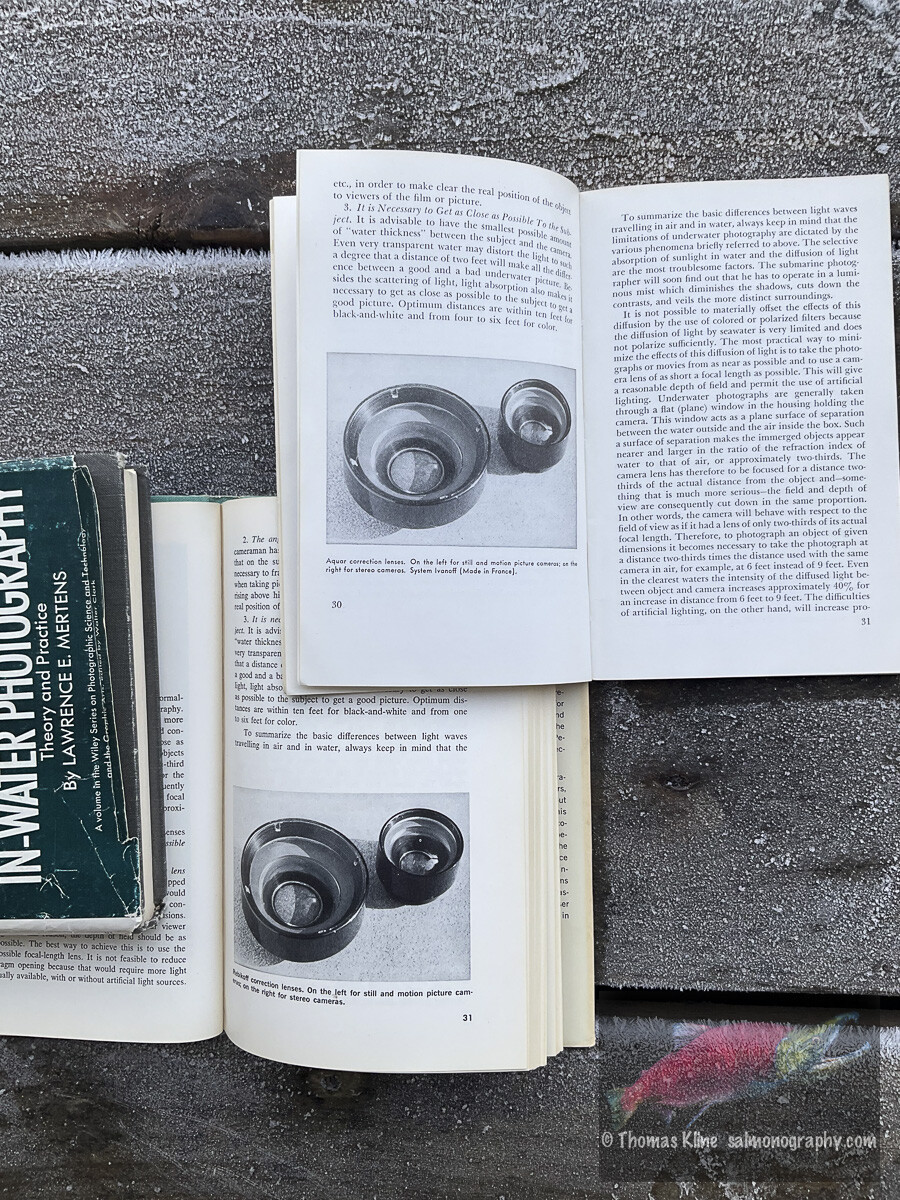
I second Davide! I am curious about: Rebikoff fronts glas uw correctors Ivanoff-Rebikoff corrector ports What is the difference and please provide citations? I ask because Rebikoff used inconsistent nomenclature in his books. I have his 1955 and 1965 books published in the US. They are very simmilar even using some of the same pix. See attachment. From what I know Ivanoff wrote the patent and Rebikoff actually built them. Apparently early in France and then in the US.
 4 points
 -
4 pointsBased in the US PNW, have been diving since 1996. Some cold water (Puget Sound, BC, PNW freshwater lakes), cool water (Australia). Mostly warm...Caymans, Bonaire, Hawaii, Solomons, Thailand, Indonesia, Papua New Guinea, Fiji, Philippines. Have hung up the cold water fins, and it's been all warm water for over a decade. Took a UW Photo course at Grand Cayman on a Nikonos V, but had dragged along a Hi8 Sony camcorder and a midget housing. After the class ended, shot video the rest of the trip, and it's been video ever since. Have gone through at least four video systems, finally working my way up to 4K with a Gates-housed AX100. But am going to give still UW photo a run, and let video go. Aside from diving, do a lot of cycling, gardening, hiking/walking. Worked at Intel for nearly 30 years, and am still a recovering nerd.4 points
-
4 pointsHello! Ive been diving for a while but end up with long breaks between taking photos and need to brush up on my technique. Looking forward to learning and hopfully contributing to the community. Thx T4 points
-
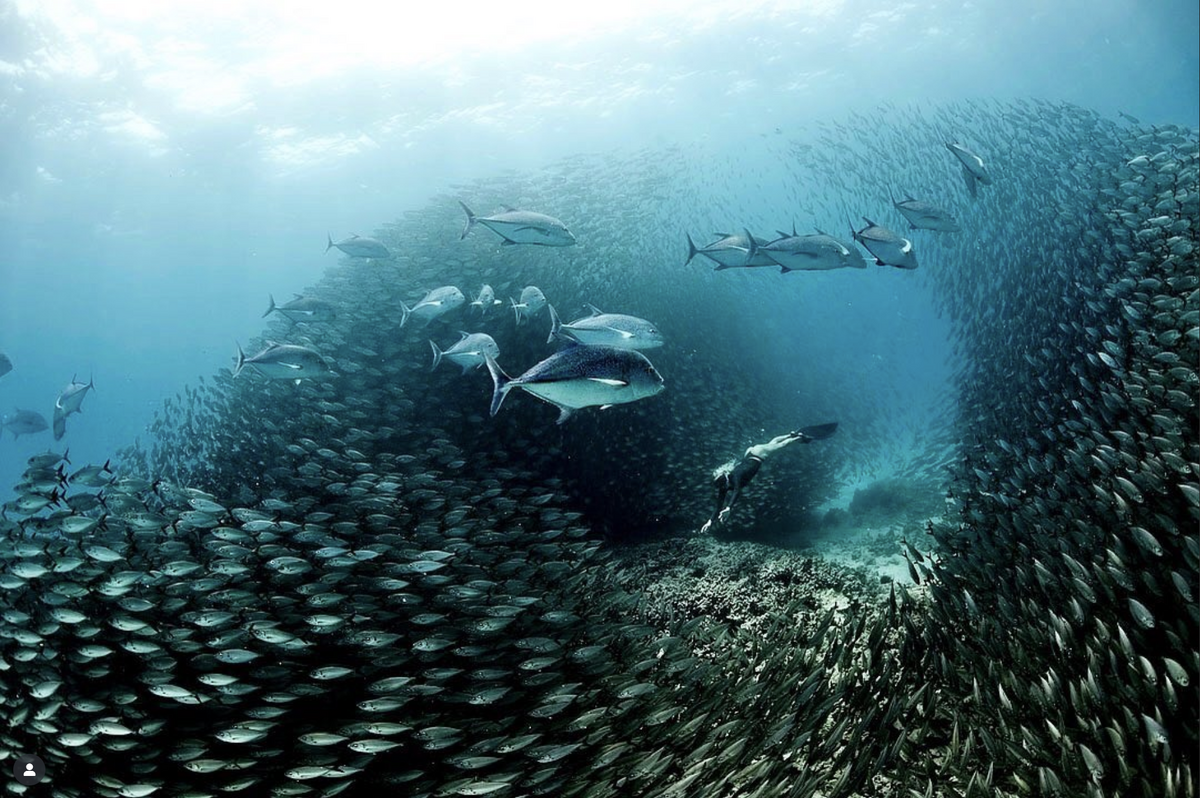
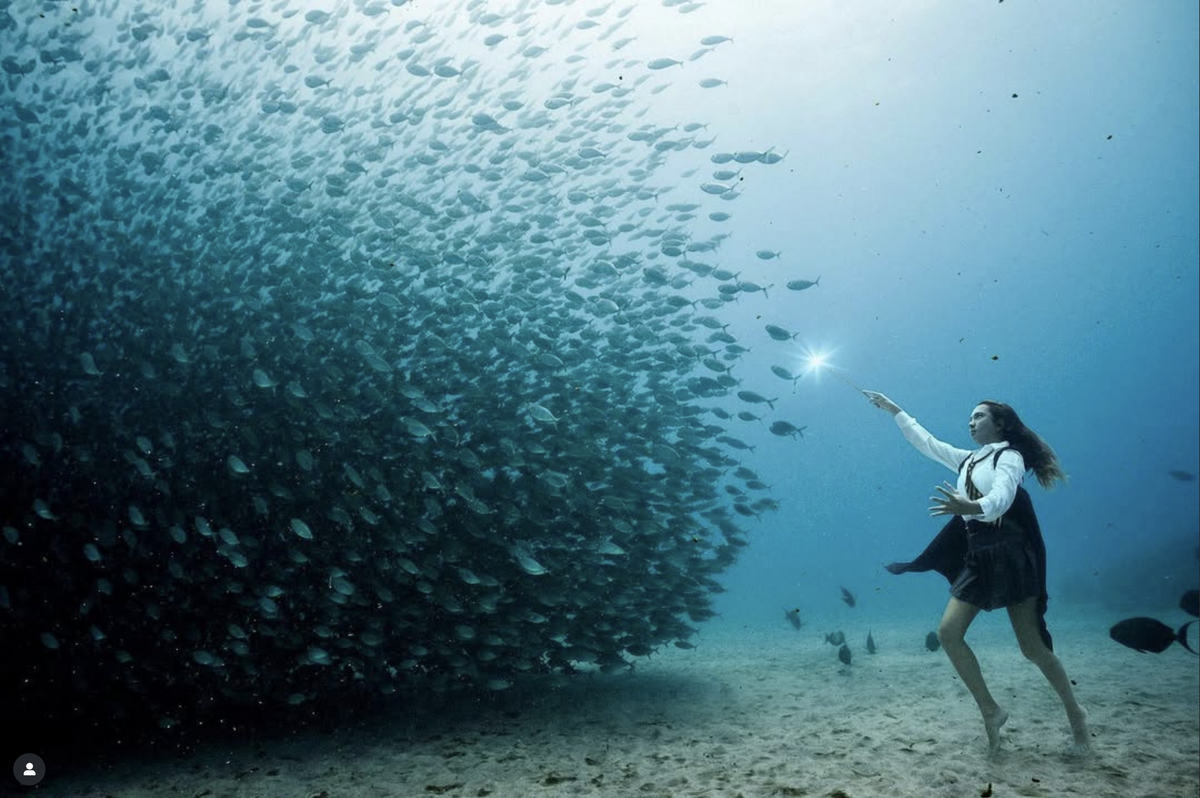
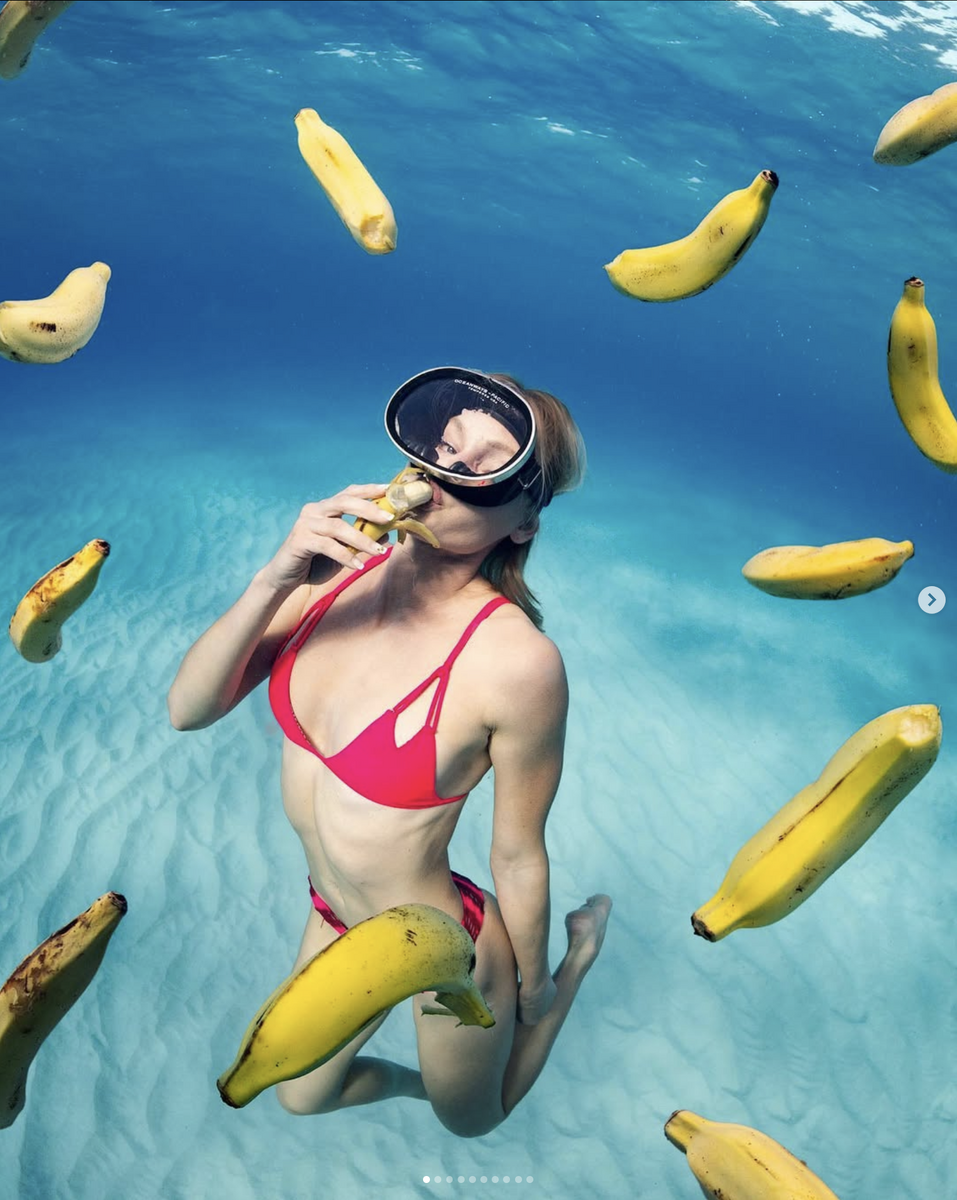
+1 for using the Nikonos-fitting wet lenses on modern cameras. I feel like it's some sort of secret. My preferred lens is the Sea & Sea 12mm f/3.5 fisheye, over the Nikonos 15mm. The 12mm is much more rare, hard to find. I stockpiled a few because of this, but I am happy to spare one (or a few) for anyone who wants it. Everything I shot for nearly the last decade, both photos and video, was with the 12mm on a Sony a7 series with Nauticam housing and Nikonos adapter. Manual focus wasn't much of a concern because it's a fisheye. @chambersbelow
 4 points
 -
4 points
-
3 pointsHi, I wouldn't normally make a post about myself, but I'm being prompted to do so. I'm Jay, I live in Santa Fe, NM and I'm an infrequent but enthusiastic traveler to S.E. Asia for all things photographically underwater3 points
-
3 points
-
3 pointsHello Lovely People! I'm Jenny Stock, I've come here for some information - at the moment I can only seem to write here so I'll ask my question then give you an intro to who I am... Has anyone been to Roatán recently? I'm aware that much of the Caribbean's coral has been badly affected by Stoney Coral Loss Disease and I wondered how badly it has been hit. A bit about me with my blurb from DIVE Magazine: Jenny is a documentary maker who shoots and directs wildlife films around the world. Her photography has featured in National Geographic, Ocean Geographic and the BBC. In 2024 she was crowned British Underwater Photographer of the Year - the first woman to receive the accolade. Jenny has worked as an underwater stunt diver in Hollywood films and as a safety diver on UK television dramas. Originally from the north of England, Jenny spent ten years in Australia directing television shows.3 points
-
3 pointsHi, was previously a member before the recent drama and move to this new site. Glad to see this site is "back"!3 points
-
I upgraded from a pair of Inon Z330s and dove with the Retra Pro Max IIs for 2.5 weeks last month, going on a Banda sea live aboard from Ambon to Alor and spending another week in Alor afterwards. It has not been without mishaps but figured I share some photos and overall experience. First, I am not a professional, I certainly do not need strobes this good or expensive, it was the biggest splurge purchase I've made since upgrading my body from A7C to A7R5. But I've had my Inons for >6 years, and I kept being told upgrading the "quality of my light" was going to make the biggest impact more than any lens or body. So when the Pro Max IIs came out, I saw it was way more powerful than the Pro Max, watched Alex Mustard's review, had it in my cart for several weeks w the early bird offer before finally pulling the trigger. 'Buy once, cry once' as they say. I felt like the Inons had served me well and was not really looking for more power. The biggest upgrades I was looking forward to was 1) less hot spots compared to the Inons, which I gathered from reviews would be the case based on Retra's "softer, more diffuse light", and 2) HSS. I had to upgrade my trigger as well for the HSS. I didn't know it at purchase because Retra did not give a GN for me to compare to the Inon's 33GN but the Retras did turn out to be much more powerful. Inons I frequently shot at close to full power (-1 and -2), Retras I mostly shot between half and 3/4 power. Was it worth the $$$ upgrade? I'm still debating. For a professional of course, for a hobbyist I'm not sure. FWIW I paid S$5190 for 2 Retra Pro Max IIs including import duty to SG, and I am selling my 2 old Inon Z330s for S$800. So 6x more for the Retras vs decent second hand strobes now, and still almost 3x more compared to what I paid 6 years ago for new Inons. Quality of light - yes there is a difference. But is there a meaningful difference in the final product? I don't know, you tell me. For sure the photos straight out of the camera looks better with the Retras. But I feel like the hotspots from Inon could be fixed with masking in Lightroom quite easily and especially now that the AI object detect has gotten so good. I feel like to a normal person (like my husband and friends) they would not be able to tell the difference at all. For example if you take these very similar destinations in Indonesia, can you really tell a noticeable difference in quality of light? Retra Pro Max IIs: https://joannaphotography38.pixieset.com/banda/, https://joannaphotography38.pixieset.com/alor/ Inon Z330s: https://joannaphotography38.pixieset.com/halmahera/, https://joannaphotography38.pixieset.com/raja2024/, as well as all older albums Ease of use - this is somewhat related to the quality of light. With Retras there is a big improvement in my overall hit rate of decent, properly lit shots. With Inons maybe I need to try 3-4 times to adjust the lights to get the perfect lighting, with the Retras it is much more forgiving and I may need to adjust just once. It's not a big deal for no current sites where you can take your time but for big drifts where you only get 1-2 chances before you get swept away that is a big difference. But again for final product / what I keep does it really matter if I choose 200 photos out of 2000 or 200 out of 1000. Recycle - couldn't test this due to my 4yr old batteries. Will have to see how they fare with a fresh set. One thing they should make super clear is you need fresh / new batteries! They recommended a fresh set EVERY YEAR. HSS - this did undeniably give more flexibility and functionality over the Inons. In places where I go to dive (Indonesia) often the prettiest reefs are on the top 5-10m. Before I could get some sunbursts with 100 ISO, 1/250, Inons on full power, but the foreground was not well lit. With the Retras & HSS I could keep ISO at 320-400, crank up shutter to 1/1600, keep the Retras at just over half power (19 on the dial was usually enough) with much faster recycle, and the balance of light was much better. Coverage - very impressive! I was down to one strobe for a day and could still take some decent coral / reef shots with just one strobe. I could not do this with the Inons. For example: https://joannaphotography38.pixieset.com/banda/?pid=16748778125&id=22&h=MjY5MDI2Njk3Ng, https://joannaphotography38.pixieset.com/banda/?pid=16748778184&id=24&h=NDE4NTAxNjk3Nwm Sometimes I would get a dark spot in the middle with the Inons but I did not have this problem with the Retras. I cannot quantify it but my gut feel is the coverage is much better on the Retras. Which goes back to the ease of use as I don't have the adjust the Retras nearly as much as the Inons and with the Inons I was still getting much more ugly middle dark spot / hotspots on the edges. Reliability and customer service - unfortunately I experienced quite a few issues at the beginning of the trip. Both strobes worked fine the first day, then both died one after the other on the second day. Folks here tried to help me troubleshoot and I ultimately got in touch with Retra who was outstanding in trying to help me while on my trip. Responsive on email on a Sunday, helped me recalibrate both strobes, looked into sending me a replacement while onsite (not possible as I was on liveaboard), and took both strobes back for inspection after I got home. Customer service was 10/10. They said perhaps vibrations during transport may have resulted in the initial miscalibration, both strobes were in carryon backpack with me, it was not the smoothest landing by Garuda on the flight in so perhaps that was the cause? After inspection they also found a small manufacturing defect for the pilot light button that resulted in it being stuck on one strobe and offered credit for this which I used towards a LSD snoot. So great service but be aware you may need to baby them more than usual. And as my batteries were 4 yr old it was causing slower recycle and some reliability issues when used in 4x AA configuration, but was more stable in 8x AA with the booster and thankfully lasted the whole trip without further issues after recalibration. Anyways, thanks again for all those who helped trying to troubleshoot during my trip and hope this helps others debating this upgrade.3 points
-
I would like to give everybody an update about my time and shooting experience with the above optic. Overall resumé : I am in deep love! The setup I am shooting with the Canon RF24-105 STM is a dream combination, filling the flexibility gap between my 8-15 Fisheye and the 100mm macro lens. Beeing able to shoot substantially wide dent Sharp reef scenes and fish portraits on a single dive with a full frame mirrorless system is amazing. However I would like to put some terms straight that may have been coined wrongly by the Keyword „Ivanoff Optik“ inspired by our dear Dr. Alex Mustard and who got me started researching and exploring this road. Alex was in fact shooting a Ivanoff-Rebikoff optic with 20mm fixed focal lengths, which is internet keyword wise sometimes just referred to as Ivanoff-corrector Port oder Ivanoff-Optic, leaving out the credits for Mr. Dimitri Rebikoff. During diving deeper into the topic, I found that I am actually shooting a Rebikoff optic, which goes without the correcting inner collection lens presented in their later introduced Ivanoff-Rebikoff design (sometimes referenced as IR design). All three approaches have their caviats. And as you have just read 3 instead of two, yes Rebikoff fronts glas uw correctors Ivanoff-Rebikoff corrector ports Dome ports ..share some commonalities in what’s possible concerning their optical limits. Most importantly the entrance pupil position problem cannot be thrown overboard with any of the above design. Furthermore they also benefit all from the same factors defined by the hosted dry air lens inside of them. The Ivanoff-Rebikoff design and Domeport have in common that they will extremely benefit from lenses that do not very much move the entrance pupil, most commonly found with fixed focal length. This explains also why Alex‘s IR-corrector port works splendid with a certain 20mm lens and created dismal results when trying to apply „the cure“ to other lenses. While everyone of you can easily work on optimal dome port position, you will very much likely fail in computing and manufacturing the exact Ivanoff Element for an Rebikoff-Ivanoff underwater corrector port and your lens; for the sake of beeing extremely costly. My suggestion for everyone is, if you are into exploring paths offside your dome port try to find large 2nd hand Rebikoff underwater corrector ports and start approximations with lenses from your camera brand, Nikon Z, Canon RF or Sony E-Mount. The latest UD elements and other 21st century master technology may help you to luck into a system that outperforms other optical underwater solutions you dived. For some extended reading about Rebikoff and Ivanoff .. their work and later collaboration I recommend these articles: https://blueexplorermag.com/2023/10/28/illuminate-the-abyss-the-innovative-inventions-of-dimitri-rebikoff-coloured-the-underwater-world/ https://spie.org/news/photonics-focus/julyaugust-2023/dimitri-rebikoff-pioneer-of-underwater-photography https://frogmanmuseum.free.fr/html/camerasandvideosrebikoffen.htm https://www.collection-appareils.fr/x/html/camera-5074-Alpa_U-Phot.html3 points
-
3 points3 pointsI have owned the Sony RX100IV, Olympus OM-D EM-1 MkII, Sony A7C and Canon R5 in that order. All 3 ILC cameras, after upgrading from the RX100, were a big performance improvement across the board. You probably will enjoy any ILC camera you upgrade to. Of the 3 ILCs, the Olympus was by far the most portable and lightweight travel package. So much so, that I continue toying with the thought of buying one again just to make traveling easier, given the ever increasing weight restrictions. Of the 3 ILCs, my favorite macro kit was the Olympus. If I were shooting more macro, I would go back to that setup. The 60mm macro was excellent and the newer 90mm macro is reportedly incredible for tiny critters, without the need for a wet lens. Of the 3 ILCs, The Canon has the best autofocus, but it isn't magnitudes better than the Olympus or Sony IMO. This is just my experience with the A7C, which I initially thought would be the perfect compact solution. In practice, I struggled with the following 'features': small viewfinder - my eyes are no longer 20/20, and I struggled with the viewfinder. Also, the viewfinder is on the far left side of the camera, so looking through it was awkward for me as my right eye is dominant. not as compact as I imagined - yes, the A7C is small, but the ports, lenses and strobes are the same as a full size full frame camera, so when you add it all up, the travel weight is not that significant. Also, if you stick with the Sony full sized A7 series, they are not significantly bigger than the A7C, and you get a better viewfinder more centrally located. buoyancy trim - The A7C is small, and so was the Nauticam housing, but it was quite negatively buoyant. I ended up having to add sizeable float arms, which added to the bulk of the rig.3 pointsMostly disagree with negative comments about Sony 50 macro, at least with newer cams. I use it with a 140 dome (aka "curved port") plus 25mm ext with A7CR and A7RV and results are exceptionally sharp right across the frame. AF is reasonable, with some mis-focusing on small targets, especially thin ones. Robust ghost pipefish can be a problem, and for some reason it hates focusing on the heads of ribbon eels!! (Took many trys to get a decent pic). But for everything else, no problem. I don't know how the AF with A7CII compares to A7CR? Also, for what it's worth, in practice I don't notice a difference with the smaller viewfinder with my A7CR (compared to VF of A7RV). I keep trying to see that difference... but I can't. Both are fine without external viewfinders, although if you are only shooting macro, a 45 degree VF might be a good idea. Which is why I have my A7RV housing up for sale! (buying both was a silly idea)3 points3 pointsHi everyone, the day is here! The Backscatter Hybrid Snoot (Optical Snoot 3) Backscatter.comBackscatter Optical Snoot OS-3Backscatter Optical Snoot OS-3 for Backscatter Hybrid Flash3 points3 pointsWe've looked into running object detect and identification models at the edge (on-device with smaller hardware) and the biggest issue ends up being compute and storage. Most models today run on GPUs, thus the massive data centers and the associated run-up in nVidia stock! We've been able to run some of the smaller models on-device, but without cloud connectivity, something like a species identification model may be a bit too far for current hardware. You may get something that will identify at a larger level (whale, shark, porpoise, etc), but granular ID could be tough.3 points3 points


.jpg.4db287724372557f0257a361545f52c4.jpg)
.jpg.d4c189fc02788c71981cb2f9f323bf1d.jpg)
.jpg.6ec30e0e737a58eed095441165f7a456.jpg)

.jpg.497cedfe2a44cde4b7b0336f9645ee5e.jpg)











Important Information
Terms of Use Privacy Policy Guidelines We have placed cookies on your device to help make this website better. You can adjust your cookie settings, otherwise we'll assume you're okay to continue.